
Areas served
Austin Personal Injury Lawyer
Austin is one of the most active personal injury jurisdictions in Texas. Travis County district courts hear the bulk of serious-injury filings arising in the city: collisions on I-35 and MoPac, downtown pedestrian incidents around the Capitol and UT, and premises claims at large event venues — and apply the same Tex. Civ. Prac. & Rem. Code § 16.003 two-year limitations period and 51%-bar comparative-fault rule that governs the rest of the state. What makes Austin different is volume and pace: a metro pushing 2.5 million people, a chronically congested freeway system, and an event calendar (SXSW, ACL, UT football, F1) that produces predictable injury spikes the local insurers and adjusters know cold.
The Austin roads that produce most of our caseload
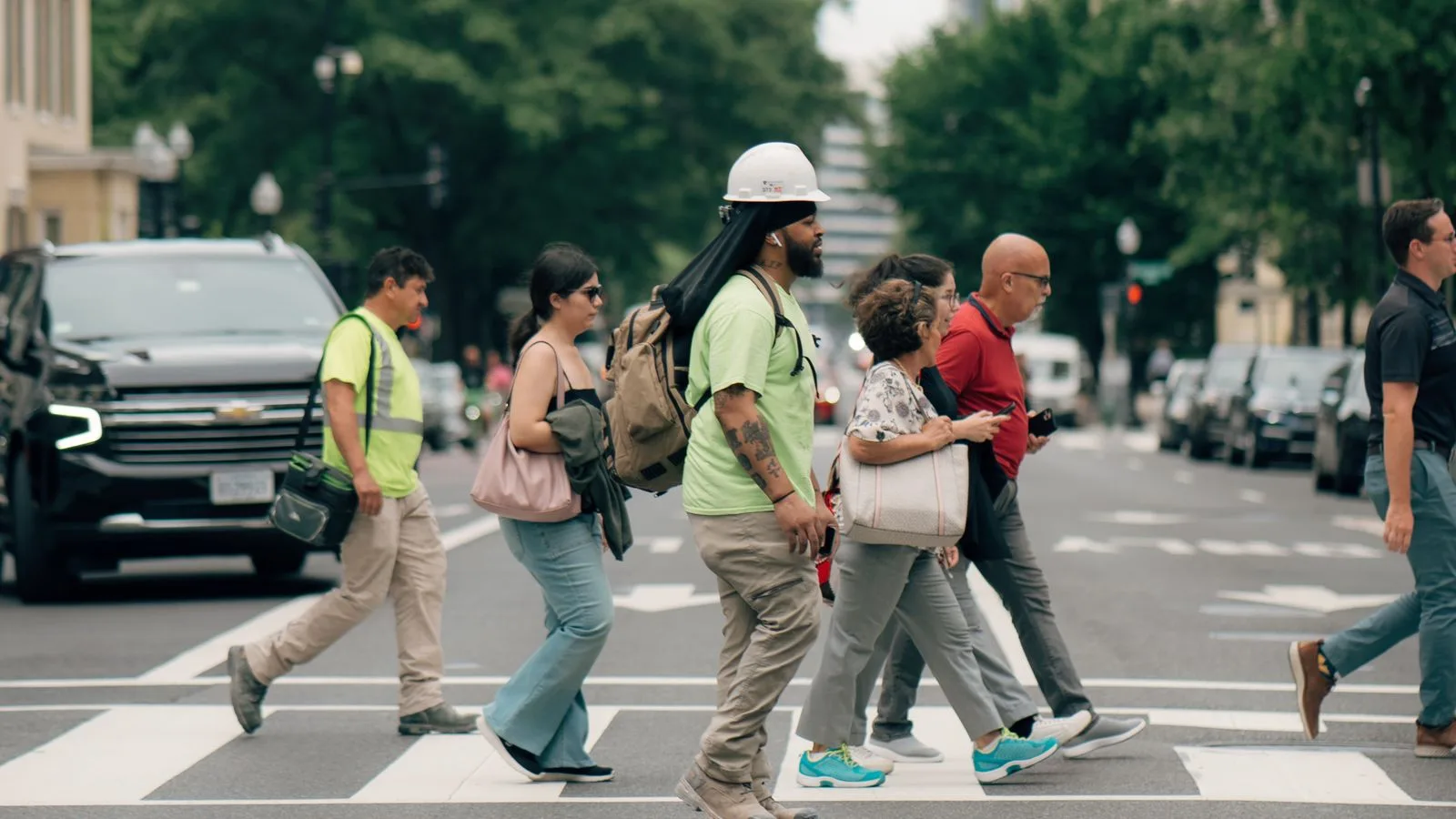
I-35 through Austin is the corridor that drives our intake. The stretch between US-290 and Ben White is one of the most rear-ended segments in Texas: stop-and-go traffic stacks up behind merges, lane drops, and the upper/lower-deck transitions downtown. MoPac (Loop 1) generates a different pattern: high-speed sideswipes and merge-collisions at SH-45 N, RM-2222, and Cesar Chavez where express lanes feed back into general traffic. Loop 360 (Capital of Texas Highway) is curve-and-elevation: single-vehicle losses of control and rear-ends in the deceleration zones approaching Westlake and Bee Cave. Downtown — Congress Avenue, 6th Street, Cesar Chavez, and the South Congress corridor — is where pedestrian and cyclist incidents concentrate, particularly during evening dinner hours and event nights.
Travis County district courts and Texas venue rules
Most Austin personal injury suits exceeding the JP-court limit are filed in Travis County district court (the 53rd, 98th, 126th, 200th, 201st, 250th, 261st, 345th, 353rd, 419th, 459th). Under Texas venue statute (Tex. Civ. Prac. & Rem. Code § 15.002), suit is proper where all or a substantial part of the events occurred, where the defendant resides, or in the county of the defendant's principal office. For an Austin crash with an Austin-domiciled defendant, Travis County is the natural venue, but cases involving commercial defendants headquartered elsewhere (a trucking company based in Dallas, a rideshare entity based out of state) open up venue choices that materially affect jury composition and trial timing. We evaluate that choice early because it can change settlement value.
Event-driven and seasonal traffic surges
Austin's injury volume is not flat across the year. SXSW (March), ACL Festival (two October weekends), UT home football Saturdays, and F1 race weekend at COTA each produce sharp spikes in pedestrian, rideshare, and DUI-related collisions concentrated downtown and along event corridors. Rush hour itself is a near-constant compression. Austin's published commute times have outpaced metro growth for over a decade. The practical effect for a claim: liability witnesses are often present in unusually high numbers (event security, ride-share drivers, downtown businesses with exterior cameras), but evidence preservation has a short shelf life because most of that footage is overwritten within 14-30 days. Early counsel matters more here than in lower-density jurisdictions.
Austin medical infrastructure and why early records matter
The trauma centers we most often see in Austin PI files are Dell Seton Medical Center at UT (Level I trauma, the city's primary serious-injury destination), St. David's Medical Center, St. David's South Austin, Ascension Seton Main, and Ascension Seton Northwest. ERs across the system are running consistently high acuity, which means short visits, fast discharges, and discharge instructions that frequently understate the full injury picture. Soft-tissue and disc injuries in particular are often missed in the initial ER record and only surface days later at a follow-up appointment or imaging study. The insurer reads the ER discharge and anchors low; the case is built or lost on whether the follow-up record exists. We push clients into appropriate diagnostics quickly so the medical chronology supports the eventual demand.
Austin practice areas
How we help Austin injury victims.






Frequently asked
Questions Texas accident victims ask us
- If you were injured in Austin city limits, the natural venue is Travis County district court, generally one of the dozen civil district courts that hear personal injury filings. The specific court is assigned by random docket draw after filing. If your case involves a commercial defendant (a trucking company, a national rideshare entity) headquartered elsewhere, alternative venues may be available under Tex. Civ. Prac. & Rem. Code § 15.002, and the choice can materially affect settlement value and trial timing. We evaluate venue before filing.
- The law that governs your case is Texas law regardless of which suburb you live in. What matters is where the case is filed and tried. Crashes inside Austin city limits are typically tried in Travis County, so working with a firm that practices in front of Travis County judges and juries is a real advantage: local knowledge of court tendencies, jury composition, and defense-counsel patterns translates to leverage. We represent injured clients from across the Austin metro: Round Rock, Cedar Park, Pflugerville, Leander, Lakeway, Buda, Kyle, and Georgetown.
- Two practical effects. First, congestion concentrates rear-end and low-speed merge collisions on I-35 and MoPac, and insurers in this market are skeptical of injury claims arising from slow-speed impacts, which is exactly why early medical documentation matters most here. Second, downtown event traffic during SXSW, ACL, and UT game days produces predictable spikes in pedestrian and rideshare-related collisions; surveillance footage and rideshare telematics from those events are often dispositive, but only if preserved within the first two weeks. The pace of Austin traffic shapes how we build the file.
- Dell Seton Medical Center at UT is Austin's Level I trauma center and is the most common destination for serious crashes downtown and along I-35. St. David's Medical Center, St. David's South Austin, Ascension Seton Main, and Ascension Seton Northwest handle the bulk of moderate-acuity cases. We see records from each of these systems regularly and know what to look for, and what is typically missing from a fast ER discharge, when building the medical chronology for a demand.
- Two years from the date of injury under Tex. Civ. Prac. & Rem. Code § 16.003. The same statute applies statewide; there is no separate Austin or Travis County deadline. Exceptions exist for minors, claims against governmental entities (which require pre-suit notice within six months under the Texas Tort Claims Act), and certain delayed-discovery scenarios. Treat the two-year window as the default and consult counsel well before it runs so evidence — surveillance footage, signal timing data, witness recollections — can be preserved while still recoverable.
- Texas substantive law still governs the case because the injury occurred in Texas. The out-of-state driver is subject to personal jurisdiction in Texas under long-arm statute principles, and suit can be filed in Travis County. Practically, you will be dealing with the at-fault driver's home-state insurance policy, which may have different coverage minimums and procedural quirks than a Texas policy. Your own Texas UM/UIM coverage may also come into play if the out-of-state driver was underinsured. We handle the coverage analysis at intake.
- For venue purposes, no: both end up in Travis County district court. For evidence purposes, it can matter. Inside Austin city limits, the Austin Police Department investigates and city-operated traffic signals and cameras may have recoverable footage; the city's records retention and public-records request process is well-defined. In unincorporated Travis County, the Sheriff's Office or DPS may be the investigating agency, and signal infrastructure is more limited. We build the evidence plan around the right agency from day one.
- Volume firms in this market are running thousands of files at once and triage based on settlement velocity, which means soft-tissue Austin cases are often settled at the first reasonable offer and serious cases sometimes get insufficient attorney attention until close to limitations. Cap City keeps a deliberately smaller caseload so the attorney handling your file is the one who knows the Travis County courts, the local adjusters, and the specific Austin road or intersection where the crash happened. You work directly with your lawyer from intake forward.
Let's talk about your case.
Free case review, no obligation. We'll tell you straight whether we can help.