
Areas served
El Paso Personal Injury Lawyer
El Paso sits at the far west tip of Texas where I-10 meets the U.S.-Mexico border, and the injury docket here looks like no other West Texas city: a mix of border port-of-entry truck traffic, mountain-pass weather pattern crashes, and dense urban arterial commuter wrecks all running through El Paso County district court. The two-year limitations period under Tex. Civ. Prac. & Rem. Code § 16.003 and the 51%-bar comparative-fault doctrine still control, but the practical layer is different: most of the commercial trucks on I-10 here are running cross-border freight regulated by both Federal Motor Carrier Safety Administration rules and U.S. Customs and Border Protection bond requirements, and the evidence and coverage analysis has to account for that.
El Paso roads: freeway, border, and the mountain pass
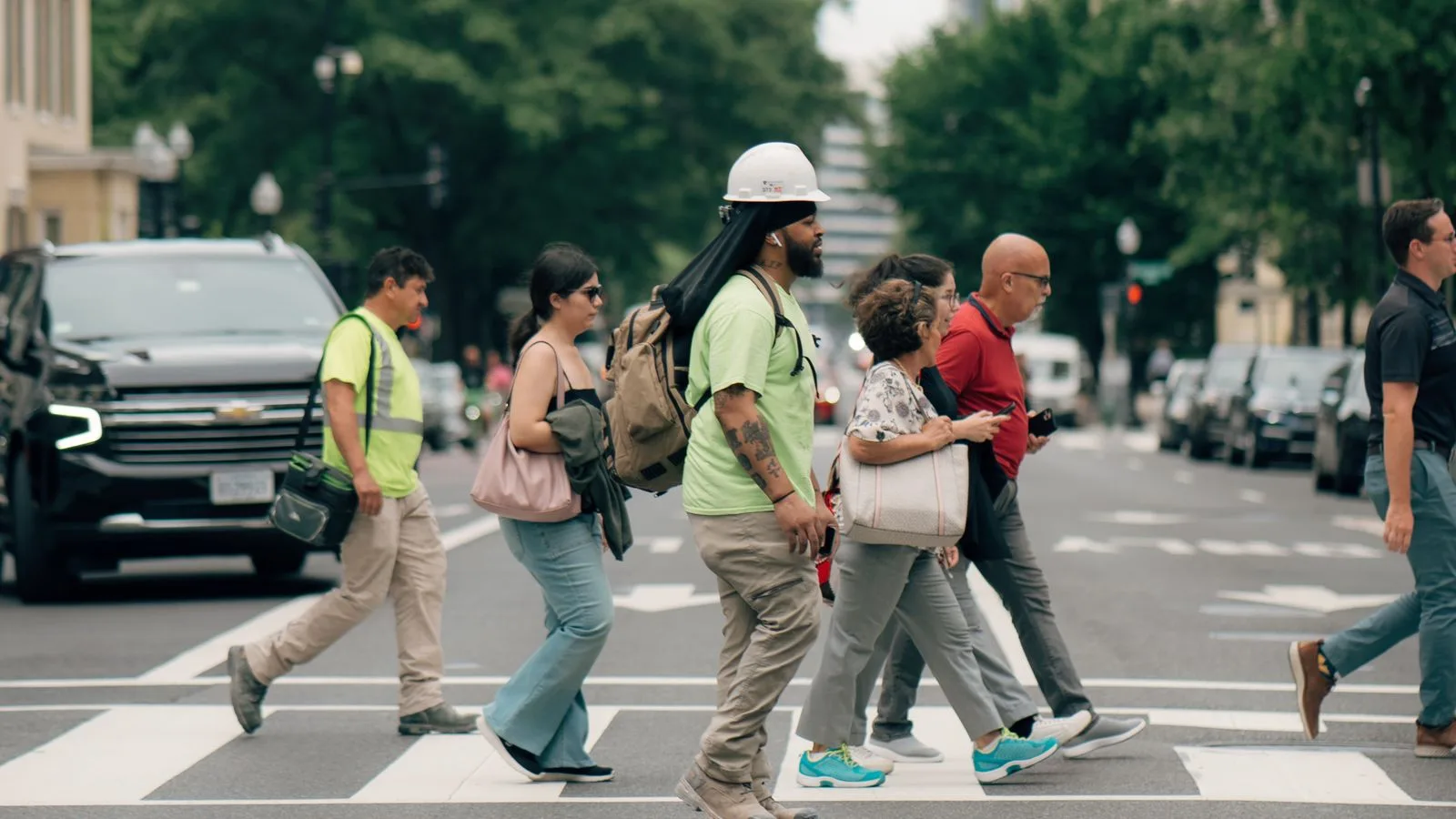
I-10 across El Paso is the spine, running from the New Mexico state line on the west side through downtown and out toward Hudspeth County. The transmountain section through the Franklin Mountains is a high-altitude, weather-driven corridor where black ice, fog, and gusting crosswinds drive a particular kind of single-vehicle and chain-reaction crash pattern that does not appear in Midland or Lubbock files. US-54 north out of downtown carries the Fort Bliss and Northeast commute and is a heavy left-turn and merge corridor. Loop 375 — Border Highway on the southern edge and Transmountain Road on the north — handles cross-town freight and produces high-speed sideswipe collisions where it meets I-10. The downtown and Mesa Street arterials concentrate pedestrian and cyclist incidents, particularly near the UTEP campus.
El Paso County district court and cross-border defendant issues
El Paso injury suits above the JP-court threshold are filed in El Paso County district court: the 34th, 41st, 65th, 120th, 168th, 171st, 205th, 210th, 243rd, 327th, 346th, 384th, 388th, 448th, and 477th, among the largest district court systems in the state. Venue under Tex. Civ. Prac. & Rem. Code § 15.002 is straightforward for resident defendants, but cross-border trucking cases routinely involve a U.S. motor carrier, a Mexican carrier, a freight broker, and a shipper that may all sit in different states. Texas long-arm jurisdiction reaches each of them when the crash occurred in Texas. We map the defendant chain and the applicable MCS-90 federal-form coverage at intake; that map drives the case theory.
Trauma routing across the El Paso medical system
University Medical Center of El Paso is the region's Level I trauma center and the primary destination for the most serious crash injuries. Las Palmas Medical Center and Del Sol Medical Center handle a substantial share of major-trauma intake as well, and the Hospitals of Providence network (Memorial Campus, East Campus, Sierra, and Transmountain) covers most moderate-acuity ER traffic across the metro. Because UMC is a Level I facility, El Paso patients are not routinely transferred out of the metro for serious injuries the way Permian Basin patients are flown to Lubbock; the trauma capacity is local. The medical chronology runs across a more complex hospital system than smaller West Texas cities, and pulling complete records from each treating facility is part of the file build.
Cross-border freight and weather-driven mountain crashes
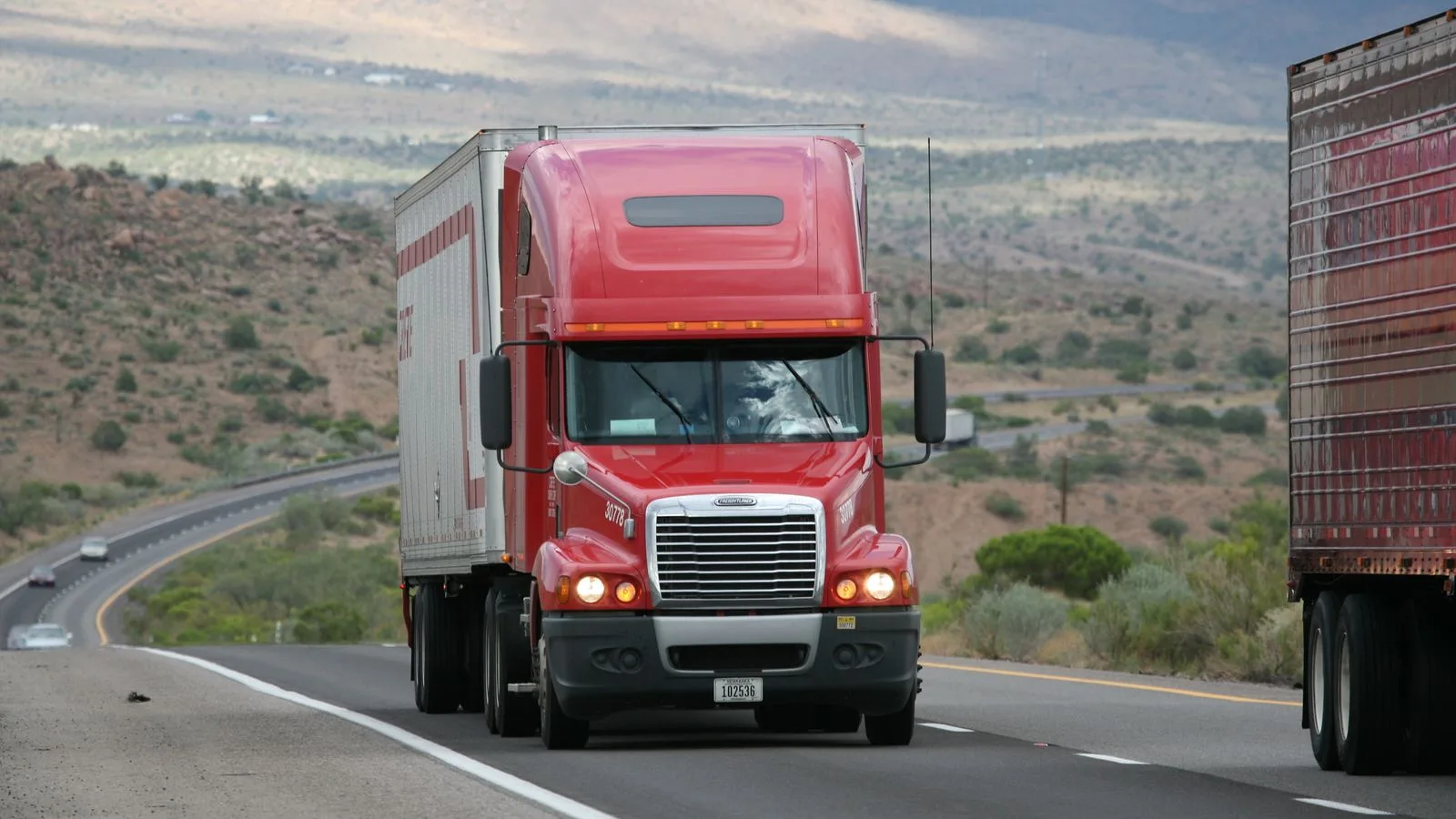
Two fact patterns dominate El Paso commercial vehicle files. The first is cross-border truck traffic: drayage runs between the Bridge of the Americas, Ysleta-Zaragoza, and Santa Teresa ports of entry and warehouses on the U.S. side. These tractors are FMCSA-regulated and often subject to additional bond and inspection requirements; the carrier may be domestic, U.S.-based with cross-border authority, or a Mexican carrier operating under specific FMCSA authority. The second is mountain-pass weather: the transmountain stretch of I-10 and Loop 375 produces fog, black-ice, and dust-storm chain reactions where commercial-driver speed-and-distance discipline becomes the central liability question. Both patterns put hours-of-service logs, ELD data, and pre-trip inspection records at the center of the case.
El Paso practice areas
How we help El Paso injury victims.





Frequently asked
Questions Texas accident victims ask us
- Yes. El Paso is about eight hours by car from our Austin office, and we are honest at intake about what that means for hearings, depositions, and trial settings: travel days, not phone calls. We do not refer the case out or hand it to a local affiliate. The attorney you sign with is the attorney who appears in El Paso County district court. For West Texas border-area cases, that direct attorney access is the reason clients hire a boutique firm in the first place.
- Serious-injury cases out of El Paso are filed in El Paso County district court, one of the largest district court systems in Texas, with more than a dozen civil district courts that hear personal injury matters. The specific court is assigned by random docket draw after filing. For cross-border commercial truck cases involving non-Texas defendants, alternative venue choices may exist under Tex. Civ. Prac. & Rem. Code § 15.002, and the venue analysis has to be run early.
- University Medical Center of El Paso is the region's Level I trauma center and the primary destination for the most serious crash arrivals. Las Palmas Medical Center, Del Sol Medical Center, and the Hospitals of Providence network handle the bulk of remaining major and moderate-acuity intake. Unlike Permian Basin cases, which often get air-ambulanced to Lubbock or San Antonio, El Paso has Level I trauma capacity locally, so the medical chronology usually stays in the El Paso metro.
- Cross-border freight raises a layered defendant analysis. The tractor may be operated by a U.S. domestic carrier, by a U.S. carrier with cross-border authority, by a Mexican carrier operating under FMCSA authority, or by a leased owner-operator. The shipper, freight broker, and bond surety may each be relevant defendants depending on the load and configuration. The MCS-90 federal endorsement attached to the carrier's policy provides a guaranteed minimum-coverage layer that operates independent of policy defenses. We map every layer at intake.
- Often, yes. The transmountain section of I-10 and Loop 375 generates fog, dust-storm, and black-ice events that drive chain-reaction commercial-vehicle crashes most years. Texas commercial drivers, and their carriers, are charged with knowing the route and adjusting speed for conditions. When an FMCSA-regulated driver fails to slow in a documented weather advisory, that becomes a documented federal-rule and Texas Transportation Code violation rather than a credibility fight. We pull the TxDOT weather and advisory records for every mountain-pass crash file.
- Two years from the date of injury under Tex. Civ. Prac. & Rem. Code § 16.003. The statute applies statewide; El Paso County does not impose its own. Exceptions apply for minors and for claims against governmental entities, which require pre-suit notice within six months under the Texas Tort Claims Act. For commercial truck cases, the practical evidence-preservation window is far shorter — weeks, not years — because ELD and ECM data cycles out under the carrier's retention schedules.
- Yes. The crash occurred in Texas, so Texas substantive law and personal jurisdiction over the defendant attach. Practical service and asset-collection questions are different when the individual driver is outside the country, but the motor carrier and its U.S. insurance coverage answer regardless of where the driver currently is. The MCS-90 endorsement and any cargo or contingent coverage layered behind the carrier's primary are typically the actual source of recovery.
- We do not pretend the geography is incidental. El Paso is the farthest West Texas city from our Austin office, and the travel is real. What we offer is a small caseload, direct attorney access from intake through trial, and a litigation approach tuned to cross-border commercial-vehicle cases under federal motor carrier rules. We are not the right fit for every El Paso file. For serious commercial-vehicle cases against a carrier that runs a national defense playbook, the boutique trade — direct attorney work product, no volume triage — is the reason clients sign with us.
Let's talk about your case.
Free case review, no obligation. We'll tell you straight whether we can help.