
Areas served
Corpus Christi Personal Injury Lawyer
Corpus Christi is the largest city on the Texas coast and the commercial center of Nueces County. Serious-injury suits arising here are filed in the Nueces County district courts at the courthouse on Leopard Street, where the standard Tex. Civ. Prac. & Rem. Code § 16.003 two-year limitations period and the Chapter 33 proportionate-responsibility framework apply just as they do upstate. What makes Corpus distinct is the geography and the industry mix: a refinery-and-port economy that puts tanker trucks, ship-channel contractors, and energy-export fleet vehicles on the same roads as families crossing the JFK Causeway to Padre Island. Cap City is an Austin boutique that represents coastal-bend clients statewide; we travel for scene work, depositions, and Nueces County court appearances.
I-37, SH-358, and the JFK Causeway: the roads that drive Corpus intake
Three corridors generate most of the Corpus Christi files we screen. I-37 running northwest out of downtown toward San Antonio is the freight backbone of the coastal bend and produces a steady mix of tractor-trailer rear-ends and high-speed lane-change collisions, particularly in the stretch between the I-37/US-181 interchange downtown and the Calallen area near the Nueces River. SH-358 (South Padre Island Drive, locally 'SPID') is the main east-west artery cutting across the south side of the city; the interchanges at Staples, Airline, and Everhart are the highest-volume collision points and generate the bulk of the moderate-acuity ER admissions we see. The Harbor Bridge and the JFK Causeway out to Padre Island add a third pattern: high-wind sideswipes, weekend leisure traffic stacking up at the bridge approach, and motorcycle losses-of-control on the causeway grade. Crashes on the causeway in particular have evidence-preservation problems, because TxDOT cameras and adjacent business surveillance overwrite quickly.
Nueces County district courts and the petrochemical-defendant pattern
Filings above the JP-court ceiling land in one of the Nueces County civil district courts — the 28th, 94th, 105th, 117th, 148th, 214th, and 319th — at the Nueces County Courthouse on North Shoreline. Under Tex. Civ. Prac. & Rem. Code § 15.002, venue is proper where the crash occurred or where the defendant resides or maintains a principal office. A Corpus crash with a Corpus-domiciled defendant defaults to Nueces County. The complication here is the industry mix: the Port of Corpus Christi is the largest crude-export port in the United States, and refineries, midstream operators, and contracted trucking outfits move significant tonnage on I-37 and SH-358 every day. Many of those operators are headquartered out of state, which opens removal exposure to the U.S. District Court for the Southern District of Texas, Corpus Christi Division. We screen for federal-court risk before drafting the petition because it changes scheduling, local rules, and settlement posture.
CHRISTUS Spohn Memorial and the coastal trauma chronology
CHRISTUS Spohn Hospital Corpus Christi – Memorial is the Level II trauma center for the coastal bend and absorbs most of the serious collision and pedestrian-impact admissions on the south Texas coast; patients are flown in from as far away as Kingsville and Rockport. CHRISTUS Spohn Shoreline and CHRISTUS Spohn South handle the heavier moderate-acuity volume, with Bay Area Hospital and Driscoll Children's Hospital picking up specific patient populations. The recurring issue across Corpus files is that Memorial runs at high acuity, ER turnover is fast, and discharges anchor low on diagnosis: rib fractures from seatbelt loading, mild TBIs, and shoulder labrum injuries are routinely under-documented at the first encounter and surface a week later at the orthopedic follow-up. Insurers in this market know the discharge template cold. We pull the complete chart — trauma consult, radiology read, and the nursing notes — because that is where the actual injury picture lives.
Port traffic, hurricane evacuations, and coastal liability questions
Corpus has injury patterns that simply do not exist in inland Texas markets. The Port of Corpus Christi handles crude export, LNG, and bulk petrochemicals; the trucking and rail movements that feed it run through Refinery Row on the north side and along the SH-361 corridor out toward Aransas Pass. A collision involving a tanker, a hazmat carrier, or an energy-services contractor brings FMCSA hours-of-service records, CSA safety scores, and commercial umbrella coverage into the file. Hurricane season adds another layer: a mandatory evacuation order on I-37 northbound or US-77 toward Victoria changes the legal standard for driver conduct, and weather-event collisions raise causation defenses that the same fact pattern would not see in clear conditions. Coastal premises liability also looks different: seawall and beach-access cases turn on Open Beaches Act questions and on whether the landowner had constructive knowledge of the hazard.
Corpus Christi practice areas
How we help Corpus Christi injury victims.
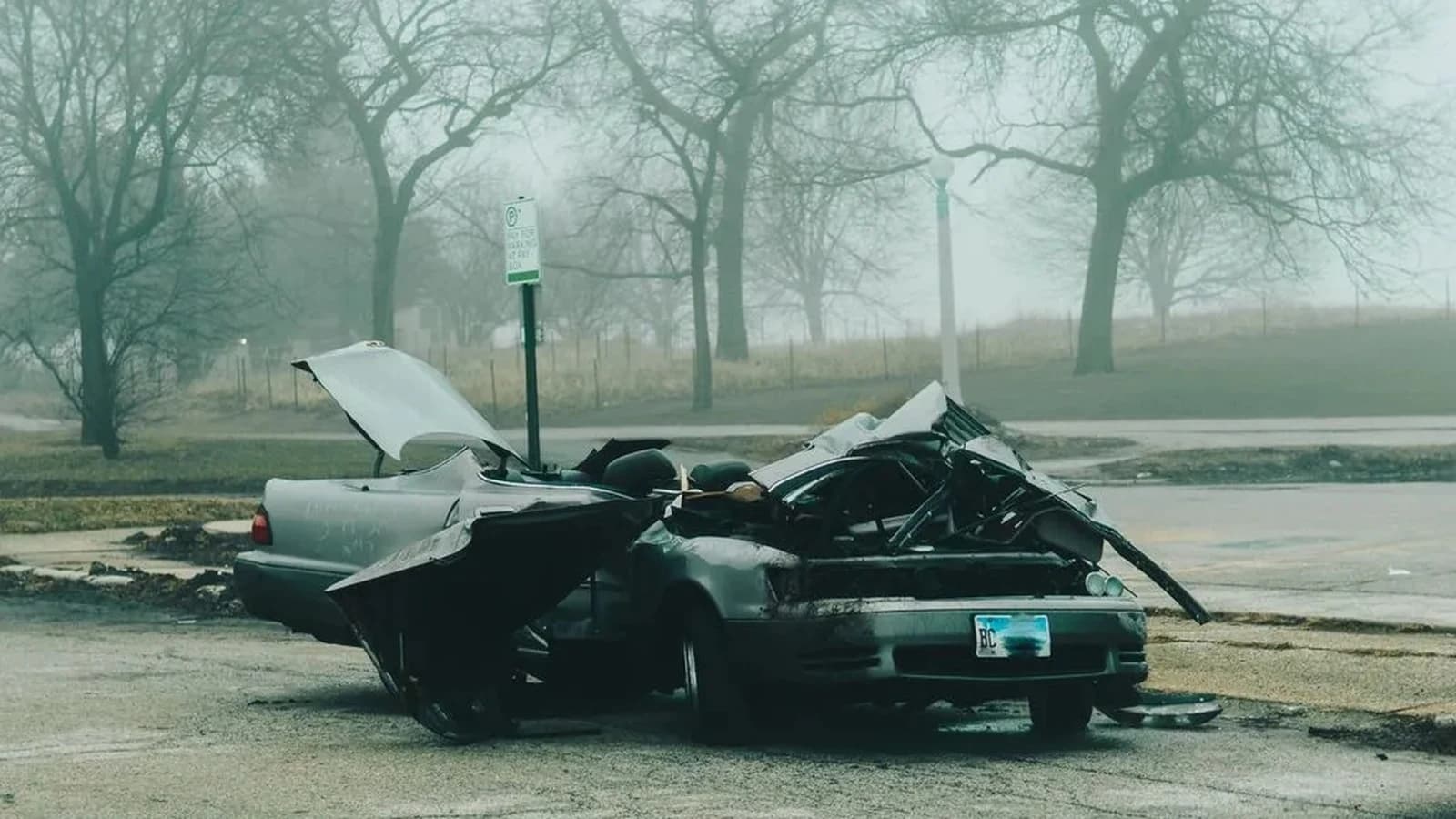
Corpus Christi Car Accident Lawyer
Learn more →

Corpus Christi Catastrophic Injury Lawyer
Learn more →

Corpus Christi Dog Bite Lawyer
Learn more →

Corpus Christi Motorcycle Accident Lawyer
Learn more →
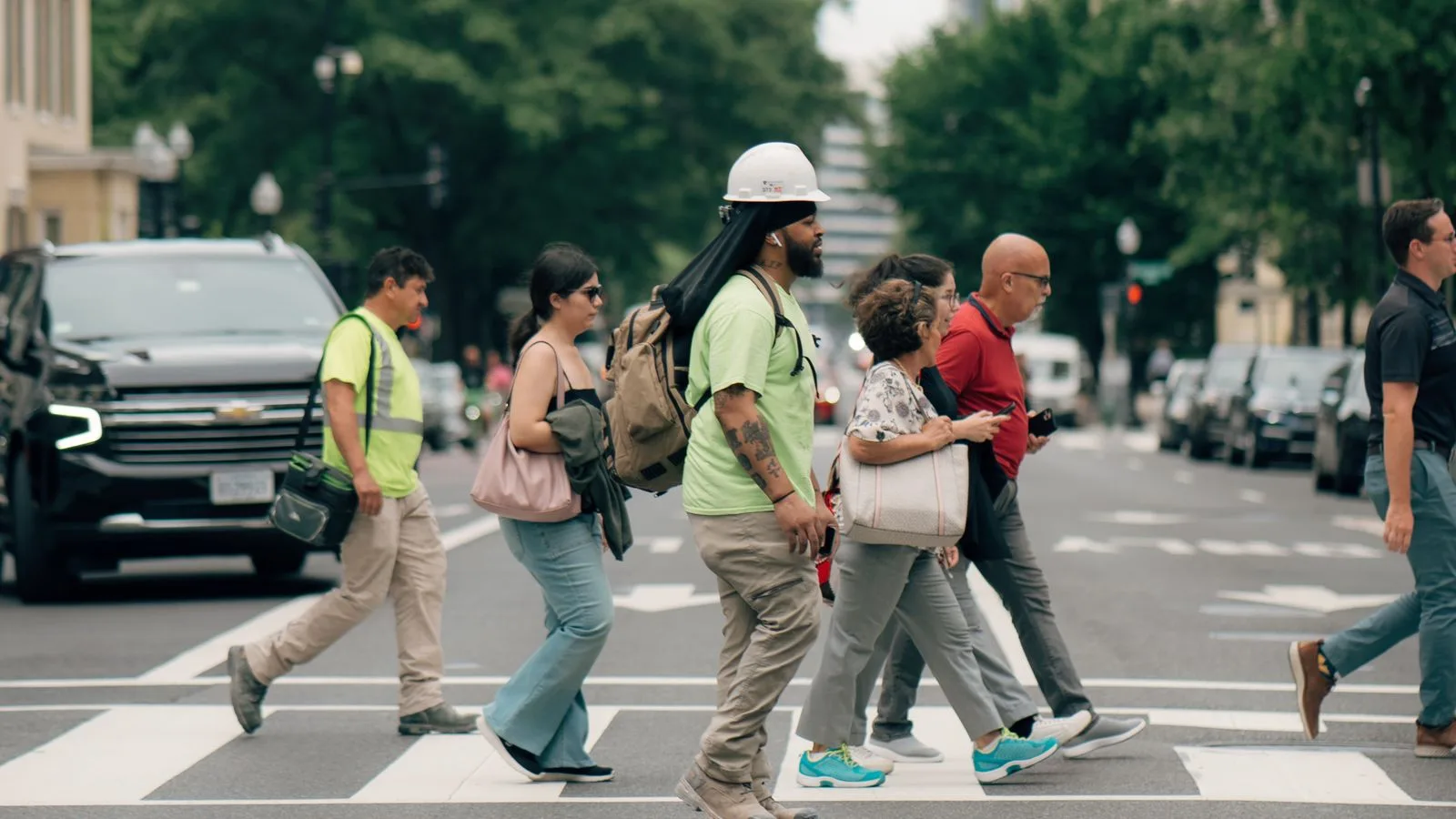
Corpus Christi Pedestrian Accident Lawyer
Learn more →

Corpus Christi Slip & Fall Lawyer
Learn more →

Corpus Christi Truck Accident Lawyer
Learn more →
Frequently asked
Questions Texas accident victims ask us
- If the crash happened inside Corpus Christi city limits or anywhere in Nueces County, the case is typically filed in Nueces County district court at the courthouse on North Shoreline. Court assignment is by random docket draw among the civil district courts. If the defendant is an out-of-state corporate operator — common in tanker, refinery-contractor, and rail cases — the defense may remove to the U.S. District Court for the Southern District of Texas, Corpus Christi Division. We evaluate federal-removal exposure under Tex. Civ. Prac. & Rem. Code § 15.002 venue analysis before drafting the petition.
- Yes. Corpus is about three and a half hours from our Austin office and we drive it regularly for scene work, treating-provider meetings, depositions, mediations, and Nueces County court settings. Boutique caseload is the point: we are not running a high-volume pipeline that requires a satellite office to handle remote files. The attorney working your case is the one who knows the I-37 corridor, the CHRISTUS Spohn records template, and the Nueces County bench. Most client communication runs by phone and video, with in-person visits scheduled when the case needs them.
- CHRISTUS Spohn Hospital Corpus Christi – Memorial is the Level II trauma center for the coastal bend and absorbs most serious collision and pedestrian admissions. CHRISTUS Spohn Shoreline and CHRISTUS Spohn South handle a heavy moderate-acuity ER volume, and Bay Area Hospital and Driscoll Children's Hospital cover specific patient groups. We see records from each of these facilities regularly and know which portions of the trauma chart — radiology, neurology consult, nursing narrative — most often contain the diagnosis that the discharge summary leaves out.
- A commercial-tanker collision opens up FMCSA driver-qualification records, hours-of-service logs, ELD data, post-crash drug-and-alcohol testing, and the carrier's CSA safety profile, none of which exist in a two-passenger-car case. Commercial auto policies typically carry limits well above personal Texas minimums and frequently sit beneath an umbrella layer. The flip side is that midstream and refinery contractors are sophisticated repeat defendants with experienced claims teams, so spoliation letters need to be out within days of intake to preserve telematics before the carrier cycles the data.
- It does not affect the law and it should not affect representation. A meaningful share of the coastal bend speaks Spanish as a first language, and any firm handling cases in this market needs to be able to take client communication, witness statements, and treating-provider information in Spanish where that is the client's preference. We handle Spanish-language intake and communication, and we structure depositions and mediations with qualified interpreters when the testimony will be in Spanish, the same way Nueces County courts handle the question.
- Two years from the date of the injury under Tex. Civ. Prac. & Rem. Code § 16.003, the same statewide deadline. Claims against governmental defendants (the City of Corpus Christi, Nueces County, the Port of Corpus Christi Authority, the Regional Transportation Authority) require pre-suit notice under the Texas Tort Claims Act within six months and sometimes much sooner under local charters. Treat the two-year window as the working deadline and call counsel well before it runs so traffic-camera footage, body-cam, and carrier telematics can still be preserved.
- It changes the proof problem more than the law. Texas drivers are still required to operate at speeds reasonable for the conditions, and a high-wind sideswipe on the Harbor Bridge or a hydroplaning collision on I-37 during heavy rain is not automatically a no-fault event. What changes is the evidence: weather records from National Weather Service stations, TxDOT advisories in effect at the time, and the specific roadway condition data become central. Carriers will argue an 'act of God' defense; we argue against it with the record.
- Coastal premises cases follow a different evidence playbook. The questions are about who controlled the beach access or property, what notice they had of the hazard, what warnings were posted, and whether the Open Beaches Act allocates duty differently than a standard invitee analysis. Crashes on the JFK Causeway itself remain roadway cases. Slip-and-falls at hotel pools and condominium common areas on Padre and Mustang Island are standard premises claims under Texas law. We sort the framework at intake because it dictates how the evidence work is done.
Let's talk about your case.
Free case review, no obligation. We'll tell you straight whether we can help.