
Practice area
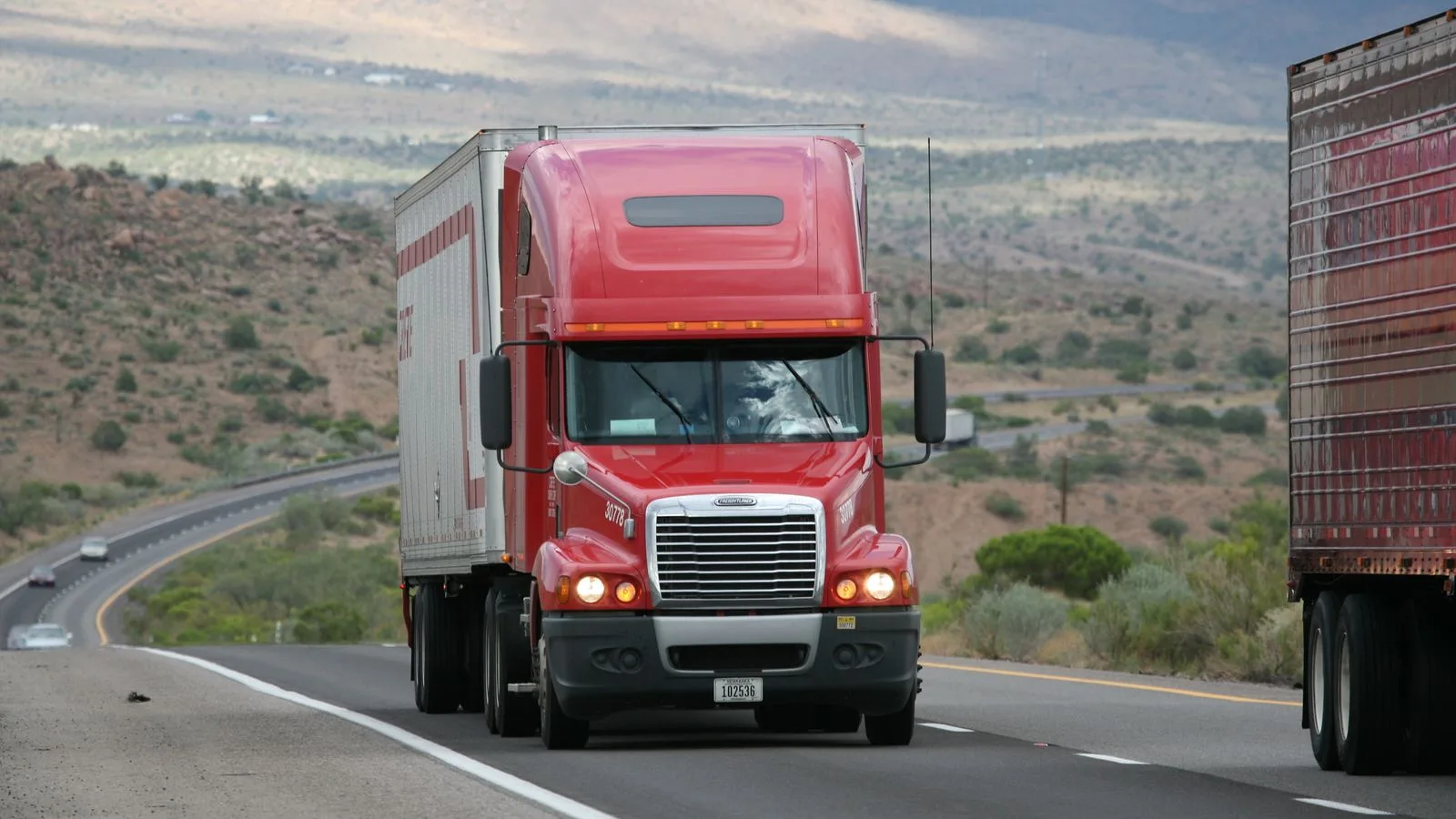
Truck & 18-Wheeler Accident Lawyers in Texas
Commercial truck crashes in Texas are governed by a layered set of rules that don't apply to ordinary car wrecks: the Federal Motor Carrier Safety Regulations (49 C.F.R. Parts 350-399), Texas Department of Public Safety enforcement under Tex. Transp. Code Ch. 644, and state common-law doctrines of respondeat superior and negligent entrustment that pull the motor carrier into the case alongside the driver. The two-year limitations period in Tex. Civ. Prac. & Rem. Code § 16.003 still controls, but the evidence window is shorter, because hours-of-service logs, electronic control module (ECM) downloads, and driver qualification files start cycling out under the carrier's own retention schedules within months.
Why truck cases are not just bigger car cases
An 80,000-pound tractor-trailer crash on I-35 or I-10 is a different legal animal from a passenger collision. The driver was working, meaning the motor carrier is on the hook under respondeat superior, and often directly liable for negligent hiring, training, supervision, and retention. The carrier carries minimum federal coverage of $750,000 (hazmat and passenger carriers higher), and most actual policies run well into the millions. The defense gets sophisticated fast: rapid-response investigators reach the scene within hours, accident-reconstruction experts get retained before the injured person leaves the hospital, and spoliation of the driver's logs becomes a live issue inside two weeks.
FMCSA rules that drive liability in Texas truck cases
Hours-of-service limits (49 C.F.R. Part 395) cap a property-carrying driver at 11 hours of driving in a 14-hour window after 10 consecutive hours off duty. Electronic logging device (ELD) records, fuel receipts, toll transponder data, and Qualcomm or PeopleNet telematics together create a paper trail that either confirms or contradicts the driver's log. Pre-trip inspection failures under Part 396, drug-and-alcohol testing violations under Part 382, and driver-qualification gaps under Part 391 are the regulatory hooks that turn an ordinary negligence case into a punitive-damages case under Texas Civil Practice & Remedies Code § 41.003.
The black box, the ECM, and other physical evidence
Modern Class 8 tractors record engine RPM, road speed, throttle position, brake application, and hard-braking events on the engine control module. A spoliation letter has to go out within days of the crash so the data is preserved before the tractor is repaired or scrapped. We also pull the carrier's safety rating from the FMCSA SAFER system, any prior crash and inspection history through CSA scores, and — when warranted — the driver's full qualification file under 49 C.F.R. § 391.51. The pattern these documents reveal often matters as much as the crash itself.
Who is actually on the hook
Beyond the driver: the motor carrier (employer), the trailer owner if separate from the tractor owner, the shipper or broker if cargo loading caused the crash, the maintenance contractor for brake or tire failures, and — in serious enough cases — corporate parents under alter-ego theories. Texas allows direct claims for negligent entrustment, negligent hiring, and negligent training that survive even if the carrier admits respondeat superior, when gross negligence is in play. Identifying every defendant and every layer of MCS-90 and excess coverage is what separates a fair recovery from a policy-limits cap.






Frequently asked
Questions Texas accident victims ask us
- Three big reasons. First, the defendant is usually a company with substantially higher insurance limits than an individual driver; federal minimum is $750,000 for general freight and runs much higher for hazmat. Second, the driver was working, which brings respondeat superior and direct corporate negligence claims (hiring, training, supervision) into play. Third, the evidence is regulated: ELD logs, ECM downloads, drug-and-alcohol testing records, and qualification files exist by federal mandate, but they have to be preserved fast before the carrier's retention schedules cycle them out.
- Faster than after a passenger-vehicle crash. The two-year statute under Tex. Civ. Prac. & Rem. Code § 16.003 still governs the lawsuit deadline, but the critical evidence has a much shorter shelf life. ELD data and Qualcomm telematics roll off within months. The tractor itself goes back into service within days, and any ECM data not preserved by spoliation letter is at risk. The carrier's rapid-response investigators are already working the scene while the injured driver is in the ER. Calling counsel within the first week is functionally non-negotiable for a serious case.
- Both, in almost every meaningful case. Under Texas respondeat superior doctrine, an employer is liable for an employee's negligence committed within the course and scope of employment, which a long-haul trucker driving a load almost always is. Beyond that, direct corporate claims for negligent hiring, training, supervision, retention, and entrustment let you reach evidence about the carrier's safety practices that is often the most damaging part of the file. Federal motor-carrier insurance is required to be primary, so the carrier's policy answers first.
- The federal hours-of-service rule (49 C.F.R. Part 395) caps a property-carrying truck driver at 11 hours of driving within a 14-hour on-duty window, following 10 consecutive hours off duty, with a 60/70-hour weekly limit. Violations are a leading cause of fatigue-related crashes. Because every commercial motor vehicle in interstate commerce is required to log hours electronically via ELD, an hours-of-service violation typically shows on the data, and when it does, it shifts the case from a credibility fight to a documented federal-rule violation, with corresponding implications for punitive damages.
- That label does not control the outcome. Motor carriers regularly try to characterize drivers as independent contractors to defeat respondeat superior, but the FMCSA's leased-driver rules (49 C.F.R. § 376.12) generally hold the motor carrier whose authority operates the truck liable to the public for the driver's conduct, regardless of the contractor label. We see this pattern most often with owner-operators leased to a larger carrier; the carrier's insurance still answers.
- Truck crashes typically produce serious injuries; the mass and speed differential do most of the work. That means medical specials, future medical needs, lost earning capacity, and impairment claims tend to be substantial. Texas Civil Practice & Remedies Code § 41.003 allows exemplary (punitive) damages on clear-and-convincing evidence of gross negligence, which is often well-supported in trucking cases involving hours-of-service violations, falsified logs, or a documented pattern of unsafe driving the carrier ignored.
- The tractor's ECM/engine-control-module download, the driver's ELD logs for at least the prior 14 days, fuel and toll records, dispatch communications, post-crash drug and alcohol testing results, the driver's qualification file under 49 C.F.R. § 391.51, the carrier's prior crash and inspection history, and any in-cab or forward-facing camera footage. A formal spoliation letter sent within days of the crash is the standard way to lock all of this down before the carrier's normal retention schedules cycle it out.
- Yes. We work commercial-vehicle cases across Texas: the I-35, I-10, I-20, I-45, and I-37 freight corridors and the major freight hubs around Laredo, Houston, Dallas-Fort Worth, and San Antonio. Trucking cases are venue-flexible under Tex. Civ. Prac. & Rem. Code § 15.002 because carrier principal offices are often in different counties from the crash, and venue choice can materially affect outcome. We evaluate that early.
Let's talk about your case.
Free case review, no obligation. We'll tell you straight whether we can help.