
Areas served
Manor Personal Injury Lawyer
Manor sits east of Austin along US-290 in Travis County and has emerged as one of the fastest-growing communities on the eastern edge of the metro. Injury cases out of Manor file in Travis County district court in downtown Austin, applying the standard Tex. Civ. Prac. & Rem. Code § 16.003 two-year limitations and the Texas 51%-bar comparative-fault rule. What separates a Manor case from neighboring Pflugerville or eastern Austin files is the corridor profile: US-290 east of the SH-130 split runs as a higher-speed surface highway with at-grade intersections through a rapidly developing former-rural area, and the surrounding FMs carry an unusual mix of commercial truck, agricultural, and new-suburban traffic on alignments that have not kept pace with the population growth.
US-290, FM-973, and the Manor crash corridors
US-290 East through Manor is the corridor that drives most of our intake. The transition from the limited-access SH-130 split at the western Manor boundary to the at-grade surface segment east of the city produces a speed-differential pattern that drives consistent rear-end and merge collisions, particularly at the major FM intersections like FM-973 and FM-3177. FM-973 itself runs north-south through Manor and connects to the SH-130 and SH-45 corridors; it carries a meaningful share of the commercial-truck traffic serving the eastern Austin warehousing and industrial growth corridor. The smaller FMs and county roads east and north of the city (FM-1100, Old Manor Road, the various Decker Lane and Lindell Lane stretches) carry the ranch-to-suburban transition traffic and produce a higher proportion of single-vehicle and intersection crashes than the urban interior.
Travis County district court and Manor venue
Manor is in Travis County, so injury cases above the JP-court threshold file in Travis County district court in downtown Austin, one of the dozen civil district courts that hear personal injury matters, assigned by random docket draw. Tex. Civ. Prac. & Rem. Code § 15.002 makes venue proper where the events occurred or where the defendant resides, both of which usually point to Travis County for a Manor case. The drive from Manor to the Travis County courthouse downtown is about twenty-five minutes via US-290, convenient by metro standards. Cases involving commercial defendants based in adjacent counties or out of state can open alternative venues including federal diversity jurisdiction, and we run that analysis at intake because the venue choice can move settlement value on the same fact pattern.
Local hospitals and the Manor medical-transport pattern
Manor does not have its own full-service hospital, so EMS typically transports injured Manor residents to facilities along the US-290 and I-35 corridors in central and north Austin. Ascension Seton Northwest, St. David's North Austin Medical Center, and Dell Children's Medical Center handle a meaningful share of the moderate-acuity intake from Manor crashes. Serious trauma from high-energy US-290 collisions is routinely diverted to Dell Seton Medical Center at UT in downtown Austin, the regional Level I center. The transport-time differential matters in a Manor case because the closest full-service ERs are eight to fifteen miles west, and that gap shows up in both initial outcomes and in the medical-chronology analysis insurers will scrutinize. Follow-up imaging and specialist care typically happens at the central and north Austin facilities along the I-35 corridor.
Eastern growth corridor, commercial truck traffic, and seasonal patterns
Manor's traffic profile reflects the broader transformation of the eastern Austin corridor. The build-out of warehousing, distribution, and industrial development along the SH-130 and US-290 East corridors has produced a steady increase in commercial truck traffic on US-290 and FM-973 that the road geometry was not designed to handle. The morning and afternoon SH-130 commuter compression toward Pflugerville and Round Rock overlaps with the truck-traffic patterns to produce some of the most consistent collision density per-mile on the eastern metro edge. Weekend and event traffic shifts toward Austin proper via US-290 and produces a return-trip evening compression that mirrors the morning pattern. The fall and winter months add fog and reduced-visibility patterns on the more rural FM stretches east and north of the city.
Manor practice areas
How we help Manor injury victims.




Frequently asked
Questions Texas accident victims ask us
- Manor is in Travis County, so your case files in Travis County district court in downtown Austin, one of the civil district courts that hear personal injury matters, with assignment by random docket draw. The drive from Manor to the courthouse is about twenty-five minutes via US-290. The judges' tendencies on motion practice and trial scheduling are well-known to local practitioners, and that familiarity is part of the value a lawyer who works in front of them regularly brings to the table.
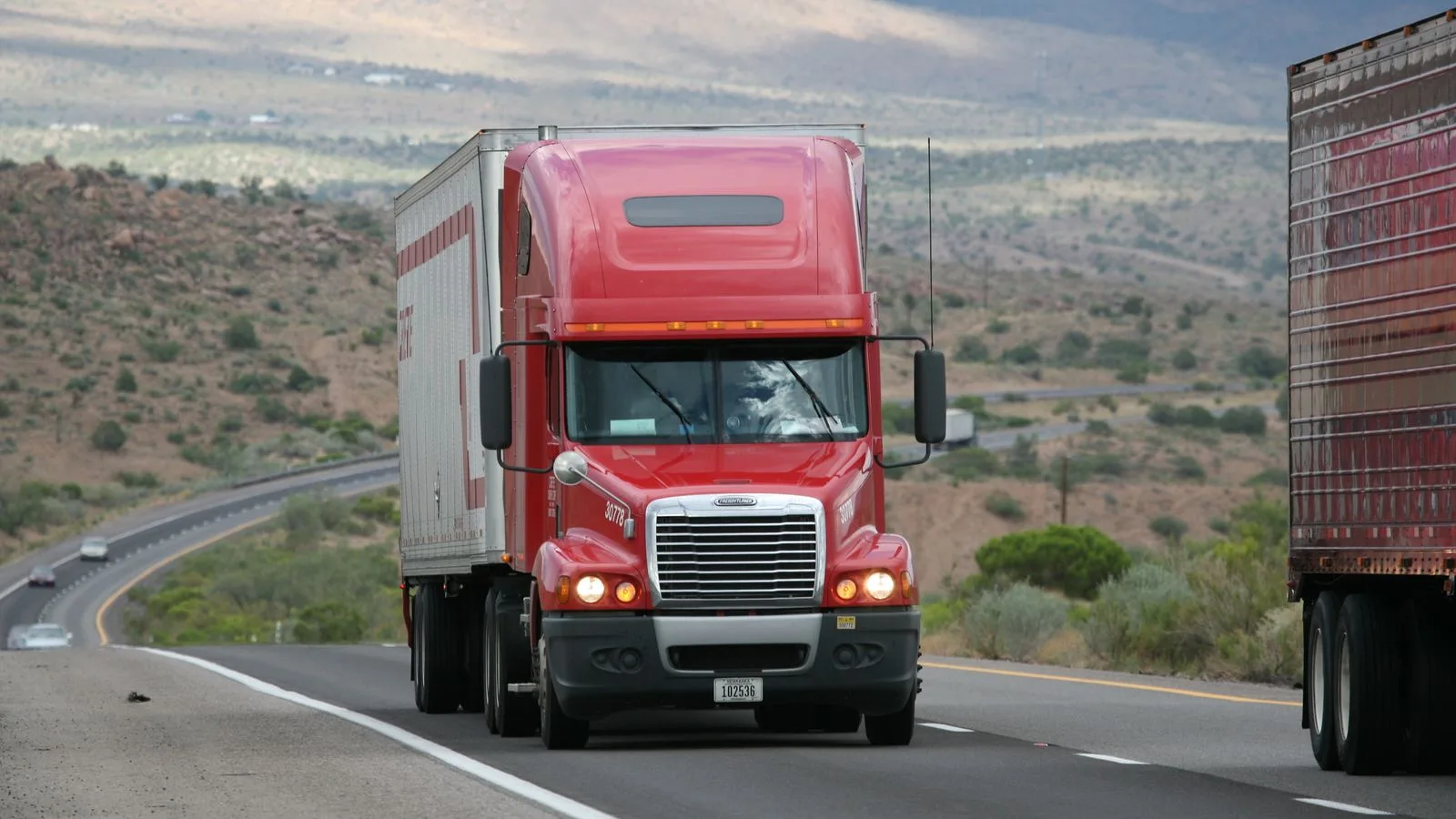
- Yes, substantially. Commercial truck crashes trigger Federal Motor Carrier Safety Regulations that create duties beyond ordinary state-law negligence: hours-of-service limits, electronic logging device requirements, medical certification for the driver, vehicle inspection and maintenance records. Violations of any of these can establish negligence per se under Texas law. The trucking company's commercial auto policy typically carries limits ten to twenty times higher than a personal Texas policy. The trucking company will retain defense counsel within hours of a serious crash, which means plaintiff-side preservation letters need to go out just as fast.
- Manor does not have its own full-service hospital. EMS typically transports to Ascension Seton Northwest, St. David's North Austin Medical Center, or Dell Children's depending on direction and acuity. Serious trauma from high-energy US-290 collisions is frequently diverted to Dell Seton Medical Center at UT in downtown Austin, the regional Level I trauma center. The transport-time differential matters for both initial outcomes and the medical-chronology presentation in the demand.
- Substantially. US-290 West toward Dripping Springs runs as a higher-design surface highway through Hill Country terrain, while US-290 East through Manor runs as a developing surface corridor with at-grade intersections, growing commercial development, and an increasing share of commercial truck traffic. The accident profiles differ accordingly. The substantive Texas law is identical, but the evidence playbook — what cameras exist, what fleet telematics are available, what witnesses are typically present — differs meaningfully.
- Section 16.003 of the Texas Civil Practice and Remedies Code sets the basic two-year window from the date the injury occurred. Federal-regulation claims tied to a commercial truck crash on US-290 East can run on overlapping federal limitations periods. If the at-fault entity is the City of Manor itself, the Travis County government, or another public body, Tex. Civ. Prac. & Rem. Code § 101.101 requires written notice within six months. None of these deadlines are reasons to wait: preservation of telematics, dashcam, and surveillance evidence has its own much shorter clock, often measured in days.
- Delivery-fleet collisions open up the employer's commercial auto policy, which typically carries limits substantially above a personal Texas policy. For Amazon Flex and gig-economy delivery drivers, the coverage analysis is more complicated: the personal auto policy may exclude commercial use, leaving the gig-economy company's contingent commercial coverage as the primary layer. The applicable policy depends on whether the driver was logged into the company's delivery app, en route to a pickup, or actively delivering. We work the coverage analysis at intake because it changes the entire posture of the case.
- Venue follows the crash location. SH-130 north of US-290 crosses the Travis-Williamson county line at SH-45 N; I-35 is in Travis County south of the Williamson boundary. We map the precise crash coordinates at intake because the answer determines the court, the jury pool, and sometimes the settlement value on otherwise identical fact patterns. Manor residents commuting west and north regularly produce crashes that split between Travis and Williamson counties.
- Manor cases require working the federal commercial-truck regulations on US-290, navigating the cross-corridor medical chronology, and litigating in Travis County district court. The high-volume firms treat Manor files as a peripheral eastern-pipeline matter and rarely build the federal-regulation and commercial-coverage theories that serious truck-involved cases require. Cap City keeps a small enough docket that the attorney working your file is the one who knows the US-290 corridor geometry, the regional hospitals, and the Travis County bench.
Let's talk about your case.
Free case review, no obligation. We'll tell you straight whether we can help.