
Areas served
Midland Personal Injury Lawyer
Midland is the white-collar capital of the Permian Basin and the county seat of Midland County, and its injury docket reflects the basin economy: oilfield service trucks, rig-bound crew haulers, and out-of-state commercial drivers running loads up and down I-20 every day of the week. Serious-injury filings out of Midland are heard in Midland County district court and apply the same Tex. Civ. Prac. & Rem. Code § 16.003 two-year limitations period and 51%-bar comparative-fault framework as the rest of Texas. What sets Midland apart is the layered federal regulation: most of the trucks involved are Federal Motor Carrier Safety Administration-regulated commercial motor vehicles, which means the case is fought on hours-of-service logs, ELD data, and driver qualification files alongside ordinary negligence law.
The Midland roads where Permian Basin crashes happen
I-20 from the Loop 250 interchange east toward Odessa and west toward Stanton is the primary freight corridor and the corridor that drives most of our intake: oilfield service trucks, sand haulers, and tanker rigs share lanes with passenger commuters at speeds and stopping distances that do not match. SH-158 northeast toward Garden City funnels rig traffic between Midland and active pad sites; the two-lane stretches there produce head-on and passing-lane collisions that look nothing like an urban Texas crash. SH-349 north toward Lamesa carries a similar pattern. Inside city limits, Loop 250 around the north and west sides of Midland is where rush-hour rear-ends concentrate, and Big Spring Street and Andrews Highway (SH-349 inside town) handle the heavy retail and energy-corporate commuter flow.
Midland County district court and venue choices in commercial cases
Most Midland personal injury suits above the JP-court threshold are filed in Midland County district court: the 142nd, 238th, 318th, and 441st. Under Tex. Civ. Prac. & Rem. Code § 15.002, venue is proper where a substantial part of the events occurred or where the defendant resides. For a Midland crash with a Midland-domiciled defendant, that puts venue squarely in Midland County. But many oilfield trucking defendants are headquartered in Houston, Dallas, or out of state, which opens alternative venues that materially affect jury composition, settlement value, and trial timing. Midland County juries are accustomed to oilfield fact patterns; that cuts both ways depending on the case, and we evaluate it before suit is filed.
Hospitals, trauma routing, and air-ambulance reality
Midland Memorial Hospital is the regional Level III trauma center and the destination for the majority of serious-injury arrivals from crashes inside the city and along the surrounding stretch of I-20. For the most catastrophic injuries — multi-system trauma, severe TBI, complex orthopedic — air ambulance to Lubbock's University Medical Center (Level I) or to San Antonio is common, and the cost of that flight becomes a real line item on the medical specials. The recurring problem we see is the same compressed ER discharge pattern that plays out across Texas: contusion and strain captured in the chart, the disc or labral injury missed until a week-two follow-up. The medical chronology has to be built deliberately, especially when the client has been moved between facilities.
Oilfield trucks and why these cases are federal cases
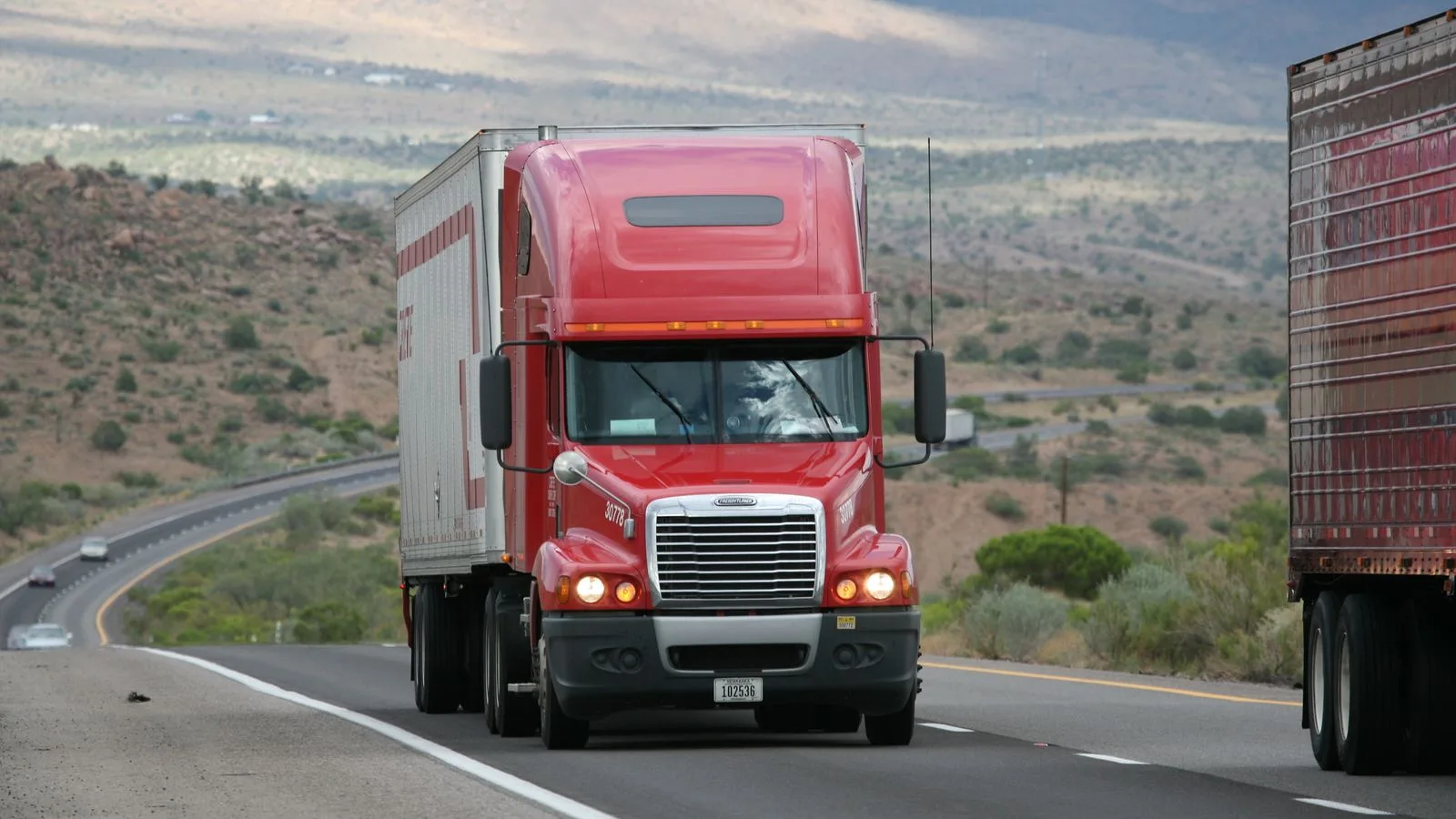
Most of the heavy trucks we see in Midland files — water haulers, frac sand pneumatics, crude tankers, crew transports — are commercial motor vehicles subject to the Federal Motor Carrier Safety Regulations at 49 C.F.R. Parts 350-399. That changes the case. The driver's hours-of-service log (Part 395), the carrier's driver qualification file (Part 391), and post-crash drug and alcohol testing (Part 382) are all federally mandated records that have to be preserved before the carrier's retention windows cycle them out. Texas allows direct negligence claims against the motor carrier — negligent hiring, training, supervision, retention, entrustment — that survive even when the carrier admits respondeat superior, when gross negligence is in play. A spoliation letter inside the first two weeks is the difference between a case built on documents and a case built on the driver's say-so.
Midland practice areas
How we help Midland injury victims.






Frequently asked
Questions Texas accident victims ask us
- Yes. We represent injured clients across Texas from our Austin office, and Midland cases are a regular part of our docket. The drive is real — roughly five hours each way — and we are honest about that at intake: hearings, depositions, and trial settings in Midland County require travel days, not phone calls. What we do not do is hand the case off to a local affiliate who never met you. The attorney you sign with is the attorney who works the file. For a serious Permian Basin injury, that direct attorney access is the boutique trade.
- Serious-injury cases out of Midland are filed in Midland County district court, generally one of the civil district courts that hear personal injury matters. The specific court is assigned by random docket draw after filing. If your case involves a commercial defendant — an oilfield service company, a long-haul carrier — headquartered elsewhere, alternative venues may be available under Tex. Civ. Prac. & Rem. Code § 15.002, and the venue choice can materially affect settlement value. We evaluate that before filing rather than after.
- Midland Memorial Hospital is the regional Level III trauma center and the primary destination for serious crashes inside the city and along the I-20 corridor near Loop 250. For the most catastrophic injuries — multi-system trauma, severe head injuries, complex orthopedic — patients are often air-ambulanced to University Medical Center in Lubbock (Level I) or south to San Antonio. We see records from each of these systems regularly, and the air-ambulance billing alone is a substantial line item we build into the demand.
- Yes, significantly. Most oilfield trucks — water haulers, sand pneumatics, crude tankers, crew transports — are commercial motor vehicles subject to the Federal Motor Carrier Safety Regulations. That means federal hours-of-service rules, electronic logging device data, driver qualification files, and post-crash drug and alcohol testing are all mandated records. It also means the motor carrier, not just the driver, is on the hook under respondeat superior and direct negligence theories, and the carrier's insurance limits are typically far higher than a personal Texas policy. The case is built on federal records that have to be preserved fast.
- Faster than after an ordinary car wreck. The two-year limitations period under Tex. Civ. Prac. & Rem. Code § 16.003 governs the filing deadline, but the critical evidence cycles out long before. ELD logs, fuel and toll records, and dispatch telematics roll off under the carrier's normal retention schedules within months. The tractor itself goes back into service within days, and any ECM data not locked down by a spoliation letter is at risk. The carrier's rapid-response investigators are typically working the scene before the injured driver is out of the ER. Calling counsel within the first week is the practical floor for a serious case.
- Rural two-lane highway crashes — SH-158, SH-349, FM roads feeding active pad sites — are some of the most serious cases we see out of Midland. The fact pattern is usually a passing-lane head-on or a rear-end at oilfield-related slow-or-stopped traffic, often involving fatigue or an hours-of-service violation. EMS response times are longer than in town, air ambulance is more frequently used, and the investigating agency is typically the Texas Department of Public Safety rather than a city police department. The case-building playbook is the same federal preservation framework, but the evidence has to come together against a tighter physical-scene window.
- Two years from the date of injury under Tex. Civ. Prac. & Rem. Code § 16.003. The statute is statewide; Midland County does not impose its own. Exceptions exist for minors, claims against governmental entities (which require pre-suit notice within six months under the Texas Tort Claims Act), and certain delayed-discovery scenarios. For commercial truck cases the practical deadline is much shorter: evidence preservation has to happen within weeks, not years.
- There are excellent attorneys in Midland, and for some matters local counsel makes sense. The reason West Texas clients hire Cap City is the boutique model: a deliberately small caseload, direct attorney access from intake forward, and a willingness to litigate federal motor-carrier cases on their terms. We are realistic about logistics. Midland is five hours from our Austin office, and we plan our travel accordingly. What you do not get is a case that gets passed to a paralegal because the senior attorney is buried under hundreds of files.
Let's talk about your case.
Free case review, no obligation. We'll tell you straight whether we can help.