
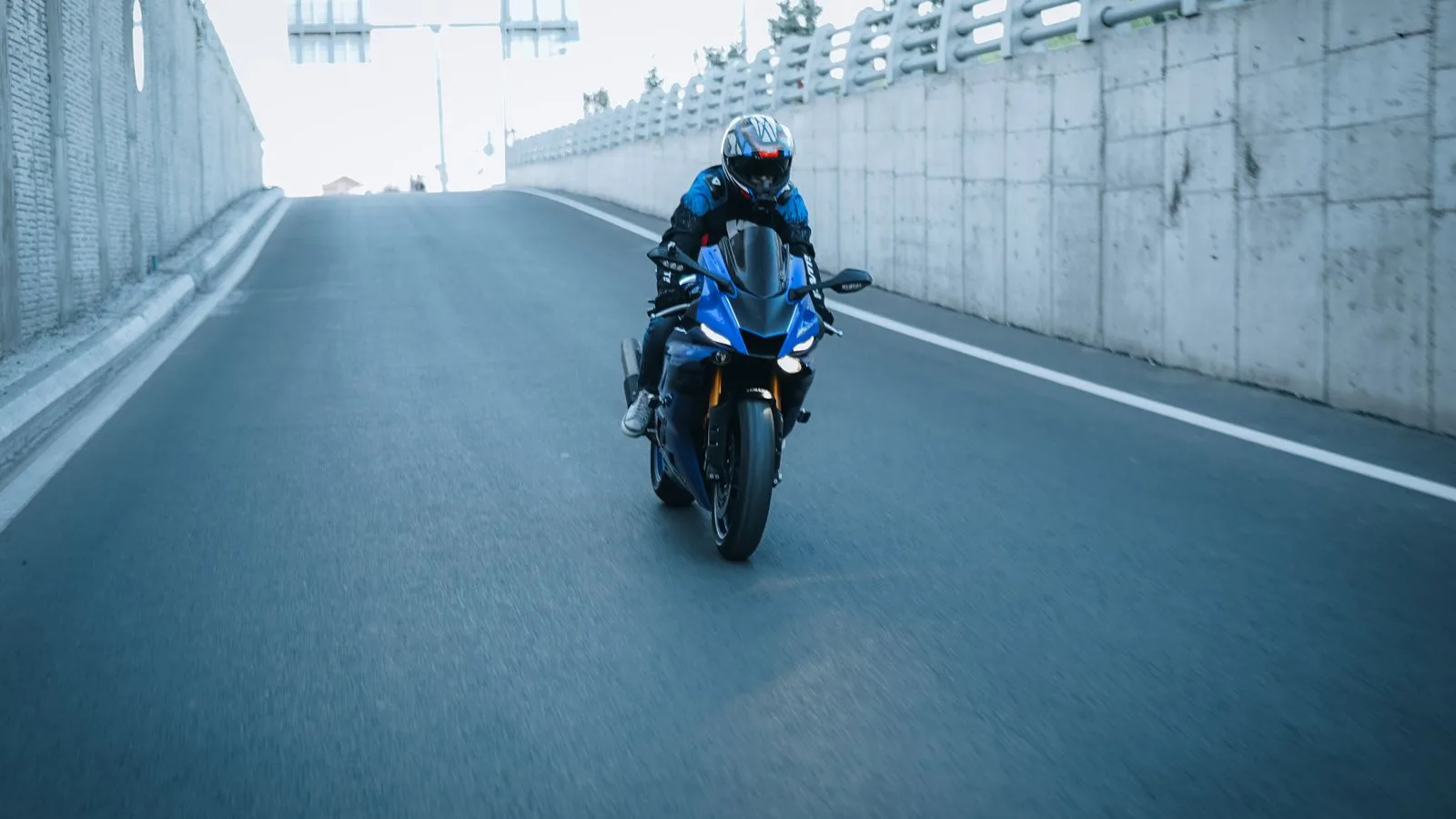
Cypress · Motorcycle Accident
Cypress Motorcycle Accident Lawyer
A motorcycle accident claim in Cypress involves a crash where a motor vehicle strikes or forces off a rider on roads like US-290 or FM-1960, and the legal framework is the same as any Texas negligence case, but jury bias and injury severity make these files harder to handle than standard car claims. Texas is an at-fault state and the two-year deadline under § 16.003 applies, with no special rule for riders. The 51-percent bar under Chapter 33 means a rider stays in the case as long as they are not majority at fault, but insurers aggressively attribute blame to motorcyclists. Harris County district court at 201 Caroline handles these matters, and the evidence, especially TxDOT footage from the US-290 corridor, must be preserved before short retention windows close.
Why Cypress cases are different
Riders on US-290, the Grand Parkway, and the FM-1960 commercial arterial face the same congested merge points as cars but with none of the protection, and they face an additional hurdle: the bias that surfaces against motorcyclists in Harris County claims.
The crash types that put Cypress riders down
The collisions that most often injure riders here are the ones drivers cause by not accounting for a motorcycle. Left-turn crashes at FM-1960 and arterial intersections, where a driver turns across a rider's right of way, and lane-change sideswipes in the US-290 and Grand Parkway managed-lane merge zones are the recurring patterns. The same Eldridge Parkway, Telge Road, and Mueschke Road weave points that produce car merge crashes are far more dangerous on two wheels, because a momentary lane intrusion that dents a fender can throw a rider. Road-surface hazards add risk: expansion joints and pavement transitions through the long-running US-290 construction, debris in the toll-lane feeders, and standing water on the arterials after heavy rain. A car driver might never feel these. A rider has no margin for them.
Confronting rider bias and documenting catastrophic injury
Adjusters and jurors often arrive with an unspoken assumption that a motorcyclist was speeding, weaving, or otherwise reckless, and that bias can quietly inflate the fault percentage assigned to a rider under Chapter 33 comparative responsibility. We counter it with evidence rather than argument: TxDOT camera footage, scene measurements, the at-fault driver's own statements, and accident reconstruction that shows the rider had the right of way. The injury side demands equal rigor. Even at moderate speeds, riders absorb forces that produce fractures, road rash requiring grafts, and traumatic brain injury, and the suburban ER network around Houston Methodist Cypress and Memorial Hermann Cypress triages fast, so disc, ligament, and concussion findings are routinely under-documented on the first visit. The full picture comes from follow-up imaging and specialist records, and we build the chronology on those, not on the discharge summary alone.
More in Cypress
Other ways we help Cypress injury victims.



Frequently asked
Cypress motorcycle accident questions
- No. The legal standard is the same as for any driver. But adjusters and jurors often carry an unspoken bias that riders are reckless, which can inflate the fault percentage assigned to you under Chapter 33. We counter that assumption with hard evidence: camera footage, scene reconstruction, and the other driver's statements showing you had the right of way.
- It often does. A driver who failed to see a visible motorcycle before turning or changing lanes generally failed to keep a proper lookout, which supports their negligence. Left-turn and lane-change crashes are among the most common ways Cypress riders get hurt, and 'I didn't see the bike' tends to confirm the driver, not the rider, was at fault.
- Suburban Houston ERs triage fast, and disc, ligament, and concussion injuries are commonly under-documented on the first encounter. That is normal and does not mean you are fine. The fuller picture usually appears in imaging and specialist follow-up in the weeks after discharge, and we build your medical chronology on that complete record.
- Texas law under Tex. Transp. Code § 661.003 allows riders 21 and older to ride without a helmet if they carry sufficient medical coverage or have completed an approved safety course. Even if you were not wearing a helmet, helmet status is not admissible to reduce damages for non-head injuries, and proving causation for head injuries requires more than pointing to the absence of a helmet.
- Lane-splitting and filtering are not authorized under Texas law, so doing either could raise your comparative-fault percentage under Chapter 33. The 51-percent bar still applies, meaning you can recover as long as your share of fault is fifty percent or below. The facts around road position, speed, and other vehicles' behavior at the time of the crash all matter to that calculation.
- In the Harris County civil district courts at 201 Caroline, since Cypress is unincorporated Harris County. The two-year deadline under § 16.003 runs from the crash date. For incidents at Grand Parkway toll-lane locations, the Harris County Toll Road Authority may be a defendant, which triggers Tort Claims Act notice requirements running on a much shorter clock than the general statute.
Where we work from
Downtown Austin. Cypress clients welcome.
Our office is in downtown Austin; we represent Cypress-area clients statewide and travel to Cypress for case-specific needs (scene visits, medical-records consultations, court appearances). Home and hospital visits when injuries make travel difficult.
Talk to a Cypress motorcycle accident lawyer.
Free case review, no obligation. We'll tell you straight whether we can help.