
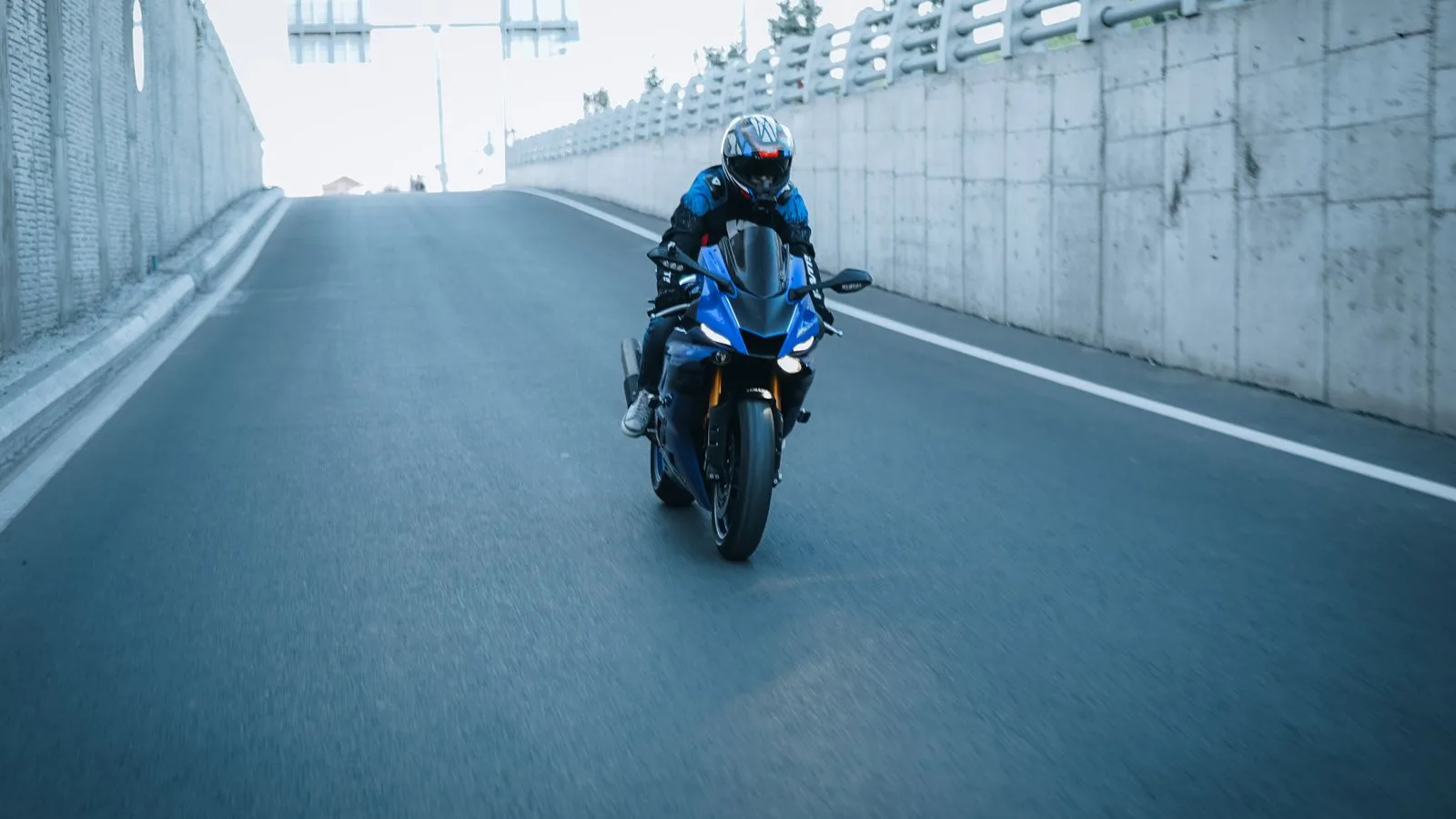
Houston · Motorcycle Accident
Houston Motorcycle Accident Lawyer
A motorcycle accident claim in Houston is a Texas fault-based negligence case arising when a motor vehicle strikes a rider on the Houston freeway grid or its surface streets, commonly a driver turning left across a rider's path on I-69 near Greenway Plaza or executing an unsignaled lane change on the Katy Freeway west of the 610 Loop. Texas is not a no-fault state, so the rider must prove the other driver's negligence, but the same Chapter 33 modified comparative fault framework applies, meaning recovery is reduced by the rider's share of fault and barred only above fifty percent. The two-year deadline under Tex. Civ. Prac. & Rem. Code Section 16.003 controls. Because jurors in Harris County can carry skepticism toward motorcyclists, establishing that the rider was lawfully positioned and visible is often the center of the liability fight.
Why Houston cases are different
Riders crossing Houston navigate the widest, densest freeway grid in Texas, from high-speed flyover merges on the Katy Freeway to congested I-45 choke points where drivers brake hard and scan for exits, not motorcycles. We represent injured riders and their families statewide from our Austin office.
Where Houston rider crashes happen and why bias creeps in
Houston's freeway interchanges are unforgiving for motorcycles. The Katy Freeway's flyover lanes feeding onto the I-10 main lanes west of 610, the reversible HOV lane on I-69 dumping back into traffic near Greenway Plaza, and the high-volume merges at Beltway 8 all create blind-spot and lane-change conflicts that injure riders far more severely than the drivers who cause them. The most common pattern we see is a driver who changes lanes or turns across a rider's path and then claims the motorcycle 'came out of nowhere.' That framing is rider bias, and adjusters in Harris County lean on it to shift fault under Chapter 33. We counter it with the physical evidence: lane-position analysis, the driver's failure to signal or check a mirror, witness accounts, and any TxDOT or business camera footage that captured the seconds before impact. Establishing that the rider was lawfully positioned and visible is often the whole liability fight.
Severe injuries and the comparative-fault defense
A rider has no crumple zone, so a collision that leaves a driver with a sore neck routinely sends the motorcyclist to Memorial Hermann-TMC or Ben Taub with road rash, fractures, a traumatic brain injury, or spinal damage, frequently arriving by Memorial Hermann Life Flight from a freeway scene. Those injuries drive the value of the claim, but they also draw the most aggressive comparative-fault arguments, because reducing the rider's recovery by even twenty or thirty percent is worth a great deal on a high-damages file. Defense insurers will point to speed, lane-splitting allegations, or gear choices to push fault onto the rider under Chapter 33's modified-comparative rule, which bars recovery only above fifty percent. We document the medical chronology from the trauma-center chart forward and pair it with a clean liability picture so the injury severity translates into recovery rather than a discount.
More in Houston
Other ways we help Houston injury victims.
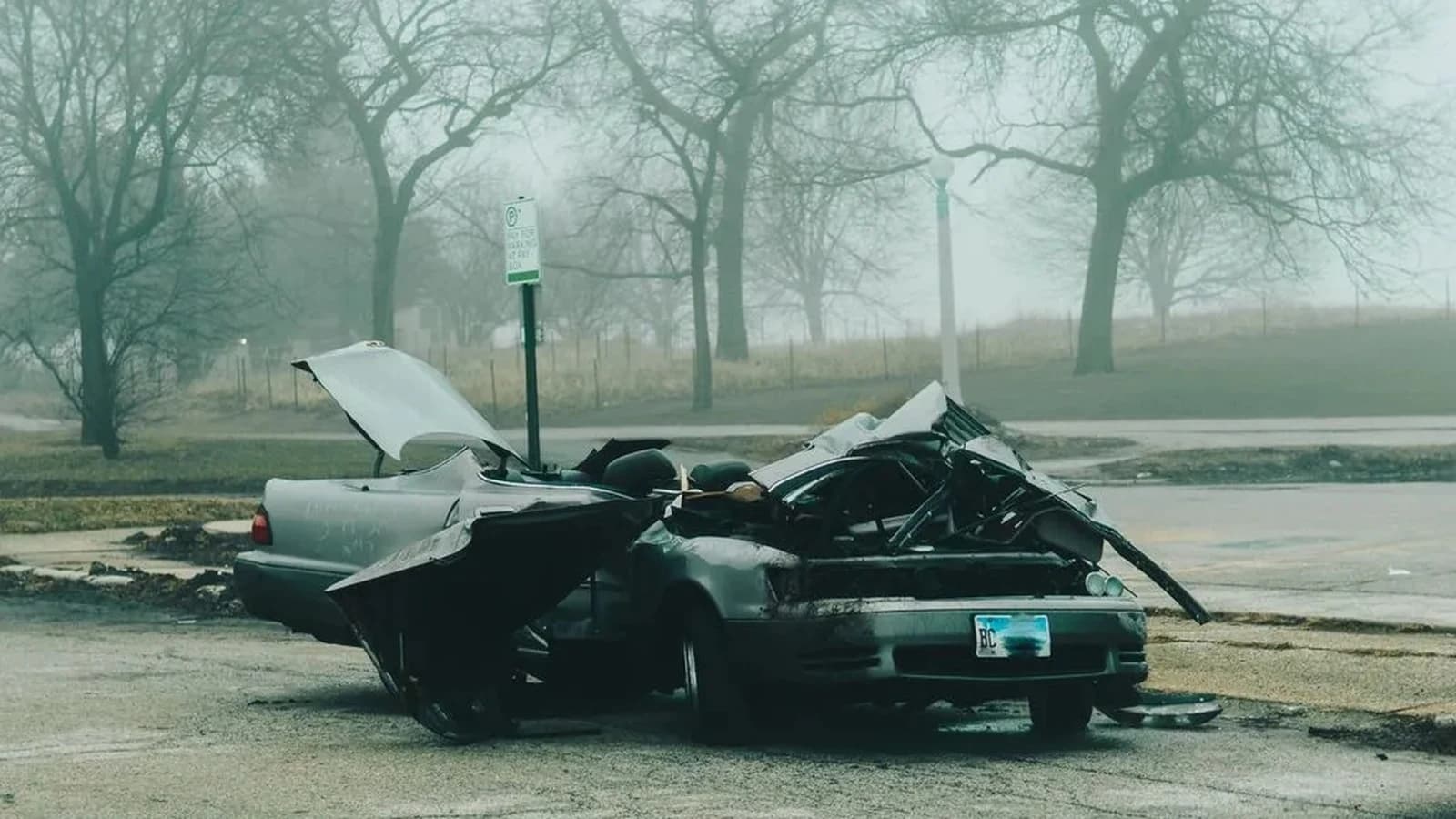




Frequently asked
Houston motorcycle accident questions
- That phrase almost always means the driver failed to look. We rebuild the seconds before impact with lane-position evidence, the driver's failure to signal or check mirrors, witness statements, and any TxDOT or business camera footage from the corridor. Showing the rider was lawfully positioned and visible is usually the core of the liability fight, and it directly counters the rider-bias narrative Harris County adjusters rely on.
- Texas does not require all adult riders to wear helmets, and a head injury does not automatically reduce your recovery. The defense may still raise gear choices under Chapter 33 comparative fault, particularly on a head-injury claim. The stronger your liability evidence showing the driver caused the crash, the less traction those arguments gain. We address the issue directly rather than letting an adjuster define it.
- Memorial Hermann-TMC and Ben Taub General are the Level I trauma centers that absorb most serious freeway crashes, with Memorial Hermann Life Flight covering many helicopter transports. Longer-term care often runs through the TIRR Memorial Hermann rehab system. We build the medical chronology from the trauma-center chart forward, because fast trauma discharges often under-document injuries that surface at follow-up.
- Your own insurance status does not by itself bar a Texas negligence claim against the at-fault driver. Texas follows modified comparative fault, not a no-insurance bar. That said, if you lacked UM/UIM coverage and the at-fault driver carries minimal limits, your recovery options are constrained by what the defendant can actually pay. We evaluate the defendant's coverage and your own policies at intake.
- The same Texas negligence and Chapter 33 fault rules apply regardless of whether the crash was on a main lane or a frontage road. Feeder-road crashes often involve the left-turn-across-path pattern, where a driver turns into a driveway or cross street and clips or hits a rider who had the right of way. We identify the exact location, pull any available camera footage, and reconstruct the right-of-way picture.
- Two years from the date of the crash under Tex. Civ. Prac. & Rem. Code Section 16.003. Minor riders have additional time because the limitations period is tolled until they turn eighteen. If a governmental entity is involved, a six-month pre-suit notice under the Texas Tort Claims Act applies and triggers a different timeline. Camera footage and witness memories degrade fast, so early consultation matters regardless of when the two years runs.
Where we work from
Downtown Austin. Houston clients welcome.
Our office is in downtown Austin; we represent Houston-area clients statewide and travel to Houston for case-specific needs (scene visits, medical-records consultations, court appearances). Home and hospital visits when injuries make travel difficult.
Talk to a Houston motorcycle accident lawyer.
Free case review, no obligation. We'll tell you straight whether we can help.