
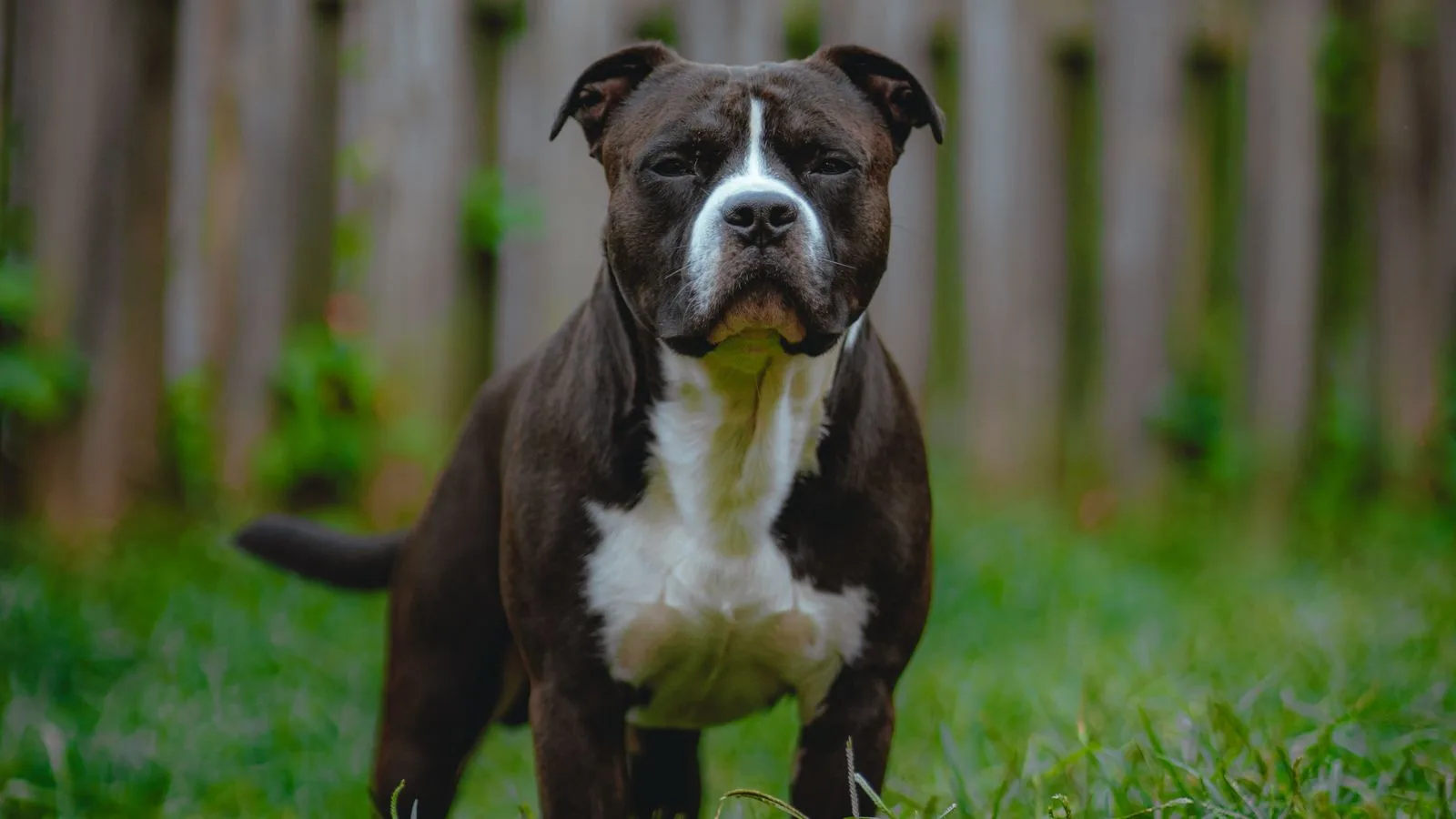
Longview · Dog Bite
Longview Dog Bite Lawyer
A dog bite or animal attack claim in Longview arises when a dog owner's failure to control a known-dangerous animal results in injury at a Longview residence, apartment complex, yard, or neighborhood street in Gregg County. Texas common law under Marshall v. Ranne imposes strict liability on owners who knew or should have known their dog had dangerous propensities, and an owner may also be liable under plain negligence for violating Longview or Gregg County leash or restraint requirements; no prior bite is required. The injuries are often serious: puncture wounds, lacerations needing surgical closure, nerve damage, and scarring that requires plastic surgery over years, especially in children whose faces are at dog height. Homeowner's or renter's liability insurance is typically the source of recovery, and identifying the applicable policy early shapes the entire file.
Why Longview cases are different
A serious dog attack in Longview can leave deep lacerations, nerve damage, and facial scarring, often to a child. Texas does not have a one-bite free pass written into a statute the way some states do, so a Gregg County dog-bite claim turns on owner knowledge and negligence, and usually on a homeowner's or renter's insurance policy.
How Texas owner liability works
Texas dog-bite claims generally proceed on two tracks. The first is the common-law 'one bite' rule: an owner is liable if they knew or had reason to know the dog had dangerous propensities — a prior bite, aggressive lunging, or warnings from neighbors — and failed to control it. The second is ordinary negligence: an owner who violates a local Longview or Gregg County leash or restraint requirement, leaves a gate open, or otherwise fails to use reasonable care can be liable even without a documented prior bite. Both theories are worth investigating in parallel. We gather animal-control records, prior-complaint history, the owner's own statements, and witness accounts to establish what the owner knew. Because the most severe injuries — facial wounds, crush trauma to the hand, infection — frequently involve children and may route through Christus Good Shepherd, the medical documentation and any plastic-surgery consult become central to the claim.
Homeowner coverage and where the recovery comes from
In most Longview dog-bite cases, the practical source of recovery is the owner's homeowner's or renter's insurance policy, which commonly includes liability coverage for injuries the household's dog causes. Identifying that policy early is essential, and we look for it whether the owner rents or owns and whether the attack happened at the residence or in a public spot like a Loop 281 sidewalk or a neighborhood street. Some policies exclude specific breeds or a dog with a documented bite history, so the policy language matters. Where no coverage exists, a negligent third party — a landlord who knew of a dangerous dog on the property, for example — may share responsibility. The two-year statute under Tex. Civ. Prac. & Rem. Code Section 16.003 applies, and for a child the timeline can extend, though prompt investigation while animal-control records are fresh is what protects the claim.
More in Longview
Other ways we help Longview injury victims.




Frequently asked
Longview dog bite questions
- Often yes. Even without a prior bite, an owner can be liable for negligence, for example, violating a Longview or Gregg County leash or restraint rule, letting the dog run loose, or failing to secure a gate. The 'one bite' rule is one path, but ordinary negligence is another, and both are worth pursuing. We investigate animal-control records and the circumstances of the attack to establish how the owner failed to use reasonable care.
- Usually the owner's homeowner's or renter's insurance, which commonly covers liability for injuries the household dog causes, whether the bite happened at the home or out on a street. We identify the policy early and check for breed or prior-bite exclusions that some insurers write in. In certain cases a landlord who knew about a dangerous dog on the property may also share responsibility, adding another source of coverage.
- Get medical care first; facial wounds and possible infection need prompt attention, and serious cases in the Longview area may route through Christus Good Shepherd. Then photograph the injuries before and during healing, report the bite to animal control, and keep the report number. Identify the dog's owner and any witnesses. Children's facial scarring carries significant value, and contemporaneous photos plus any plastic-surgery consult records are central to documenting it.
- Possibly. Under Texas law, a landlord who had actual knowledge that a tenant's dog posed a danger and had the legal ability to require the tenant to remove the dog or vacate can bear independent liability if they failed to act and the dog attacked. The key is documented notice to management — written complaints, prior incident reports, or formal warnings — which we obtain through the apartment's own records.
- We investigate whether there is any evidence of prior dangerous behavior even if no bite was recorded: complaints to animal control, neighbors who observed aggressive conduct, or veterinary notes about the dog's temperament. We also evaluate whether any local leash or restraint requirement was violated, which can establish negligence per se without requiring proof of prior dangerous propensities. Animal-control records for the address are requested at the start of every file.
- The standard deadline is two years from the date of the attack under Tex. Civ. Prac. & Rem. Code Section 16.003. For a minor, the statute is generally tolled until the child turns 18, but waiting is a mistake: animal-control records, witness memory, the dog's history, and photographic evidence of the injuries all degrade. We preserve that record immediately and begin building the damages case from the first medical visit.
Where we work from
Downtown Austin. Longview clients welcome.
Our office is in downtown Austin; we represent Longview-area clients statewide and travel to Longview for case-specific needs (scene visits, medical-records consultations, court appearances). Home and hospital visits when injuries make travel difficult.
Talk to a Longview dog bite lawyer.
Free case review, no obligation. We'll tell you straight whether we can help.