
Areas served
Arlington Personal Injury Lawyer
Arlington produces a personal injury caseload shaped by something no other Texas city has: a year-round professional sports and entertainment district pulling tens of thousands of out-of-town drivers through the same I-30 corridor every week. Suits filed for Arlington-located injuries are heard in Tarrant County district court at the Tom Vandergriff Civil Courts Building, under the statewide two-year limitations period set by Tex. Civ. Prac. & Rem. Code § 16.003 and the modified-comparative-fault rule in § 33.001. Cap City is an Austin-based boutique firm representing Arlington clients statewide; we travel for stadium-area scene work, premises investigations at the entertainment venues, and any Tarrant County court appearances the case requires.
The I-30 / I-20 / SH-360 triangle and stadium traffic
Arlington's freeway pattern is unusual because the city's entertainment district sits inside a tight triangle of three high-volume routes. I-30 along the north side of the city is the spine, carrying Cowboys and Rangers traffic between Dallas and Fort Worth on game days and event weekends. I-20 along the south side handles the heavier through-truck volume and connects to the I-35W and I-35E corridors. SH-360 (the Watson Road / Angus G. Wynne corridor) is the local north-south route stitching the two interstates together and feeding Globe Life Field, AT&T Stadium, and Choctaw Stadium. On event days, surface streets — Randol Mill, Division Street, Collins Street, and Lamar Boulevard — operate at freeway-level congestion. The crash mix during those windows shifts heavily toward rear-end, parking-lot, and pedestrian incidents.
Tarrant County district court venue from Arlington
Arlington sits squarely in Tarrant County, so injury suits exceeding the JP-court ceiling are filed at the Tom Vandergriff Civil Courts Building (200 East Weatherford Street) in Fort Worth, the Tarrant County Justice Center complex. The civil district courts (the 17th, 48th, 67th, 96th, 141st, 153rd, 236th, 342nd, 348th, and 352nd, among others) draw filings on a random-assignment basis. Venue under Tex. Civ. Prac. & Rem. Code § 15.002 follows the standard analysis: where the events occurred, where the defendant resides, or the county of principal office. Cases against the stadium operators or their concessionaires are usually proper in Tarrant County; cases against rideshare or trucking entities headquartered elsewhere may open alternatives that change the jury composition.
Event venues, premises liability, and short-cycle evidence
Arlington's entertainment district concentrates the kinds of cases that turn on premises evidence: slip-and-fall on stadium concourses, parking-lot pedestrian impacts, escalator and stairwell incidents, and event-related crowd injuries. AT&T Stadium, Globe Life Field, Choctaw Stadium, and Six Flags Over Texas each operate their own surveillance networks and incident-report systems, and each retains footage on a defined schedule, typically 30 to 90 days, sometimes less for satellite parking cameras. The single most common reason a premises case at one of these venues loses its best evidence is that the preservation letter went out a month too late. We send written preservation requests to the venue operator and any third-party security or concessions contractor within days of intake.
Hospitals and medical infrastructure for Arlington injuries
Serious injuries in Arlington typically transport to one of three systems. Texas Health Arlington Memorial is the closest full-service hospital to the entertainment district and absorbs most stadium-area admissions. Medical City Arlington and Methodist Mansfield Medical Center handle the rest of the moderate-acuity volume. Cases requiring Level I trauma capacity are usually diverted to JPS Hospital in Fort Worth or to one of the Dallas trauma centers depending on the incident location and EMS routing. Each facility produces a distinct discharge pattern; the records most often missing from a pre-suit Arlington file are the follow-up imaging studies completed days after the ER visit, when the soft-tissue and disc injury picture finally clarifies.
Arlington practice areas
How we help Arlington injury victims.
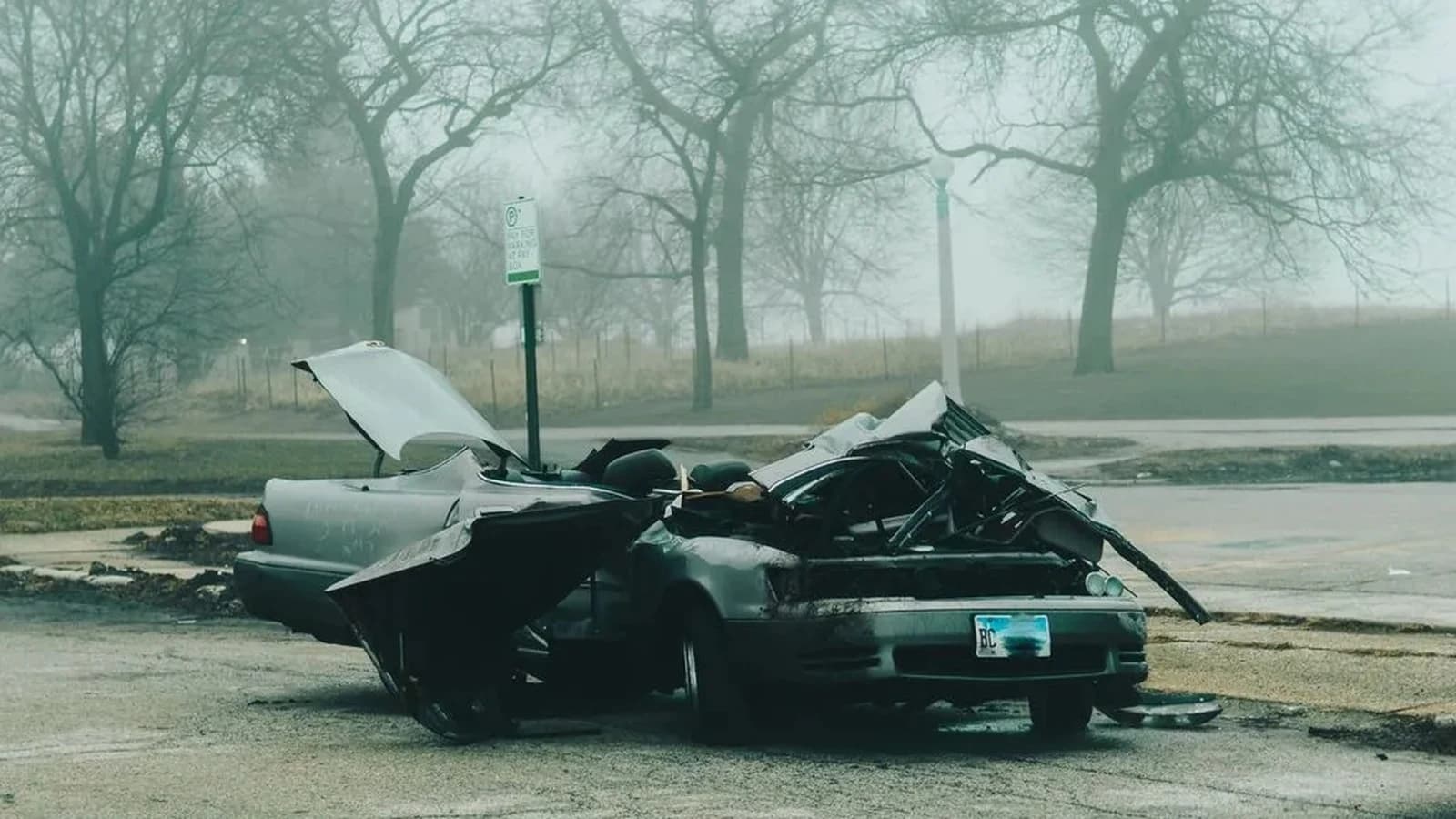
Arlington Car Accident Lawyer
Learn more →

Arlington Catastrophic Injury Lawyer
Learn more →
Arlington Dog Bite Lawyer
Learn more →

Arlington Motorcycle Accident Lawyer
Learn more →
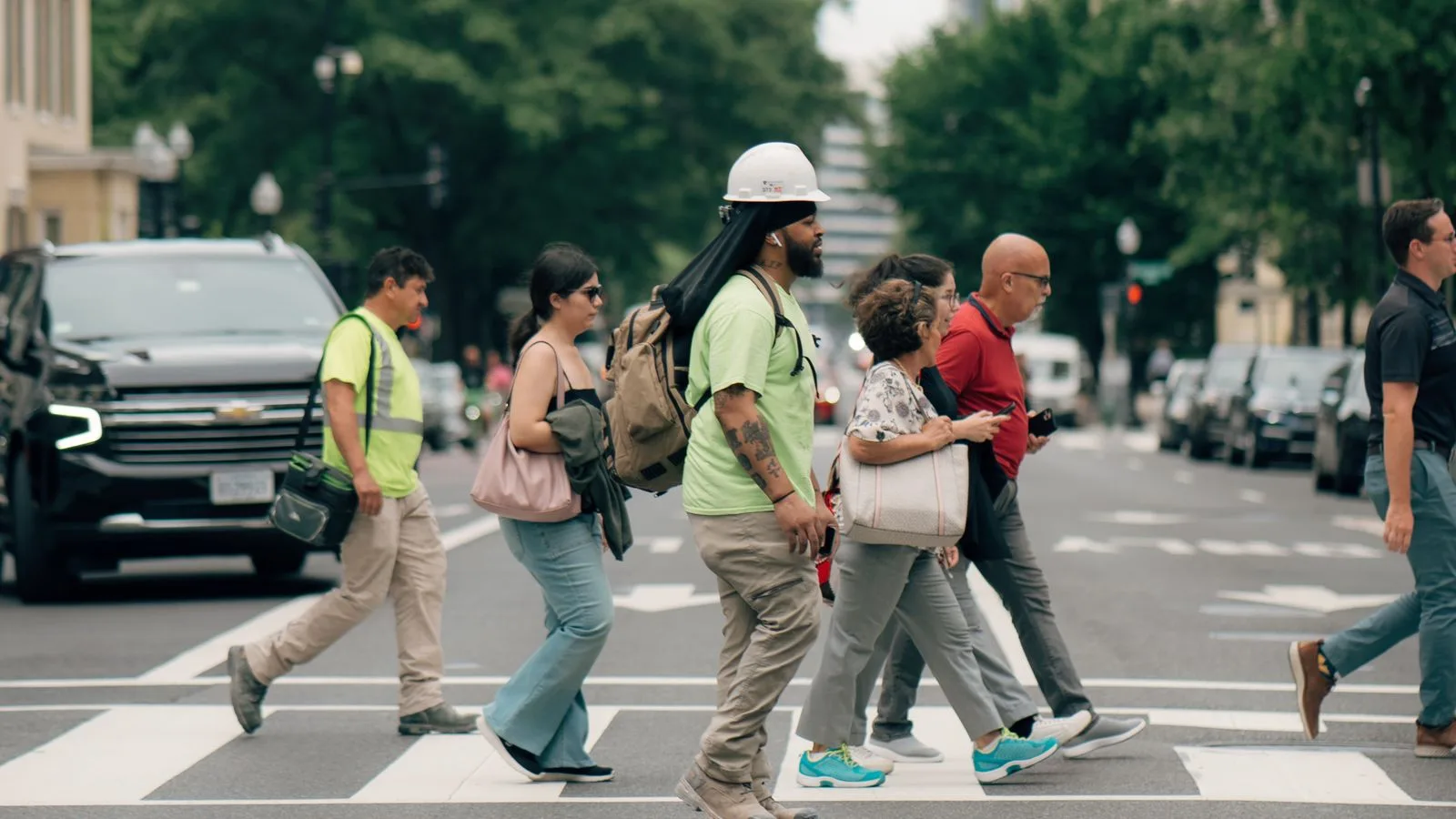
Arlington Pedestrian Accident Lawyer
Learn more →
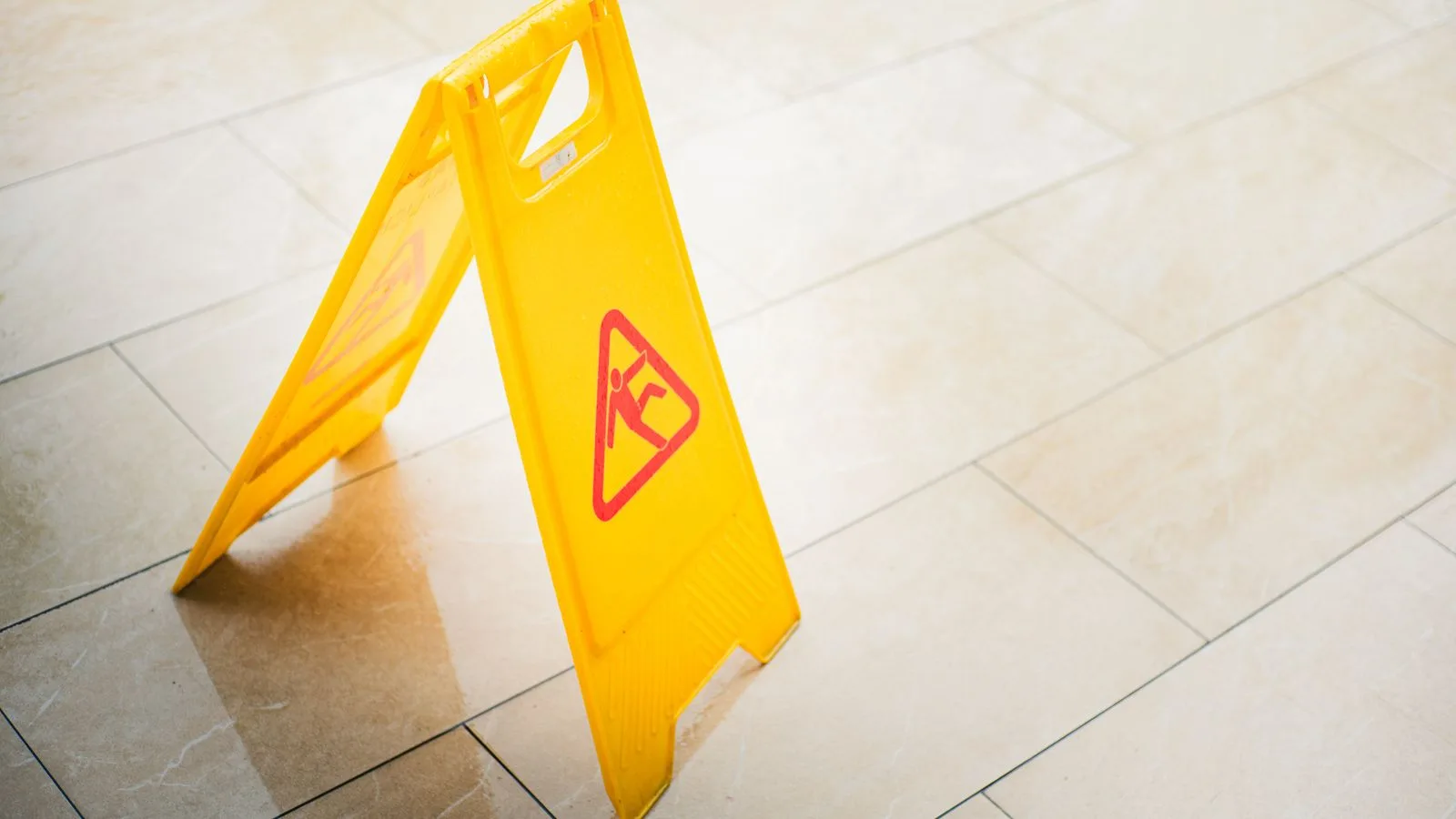
Arlington Slip & Fall Lawyer
Learn more →
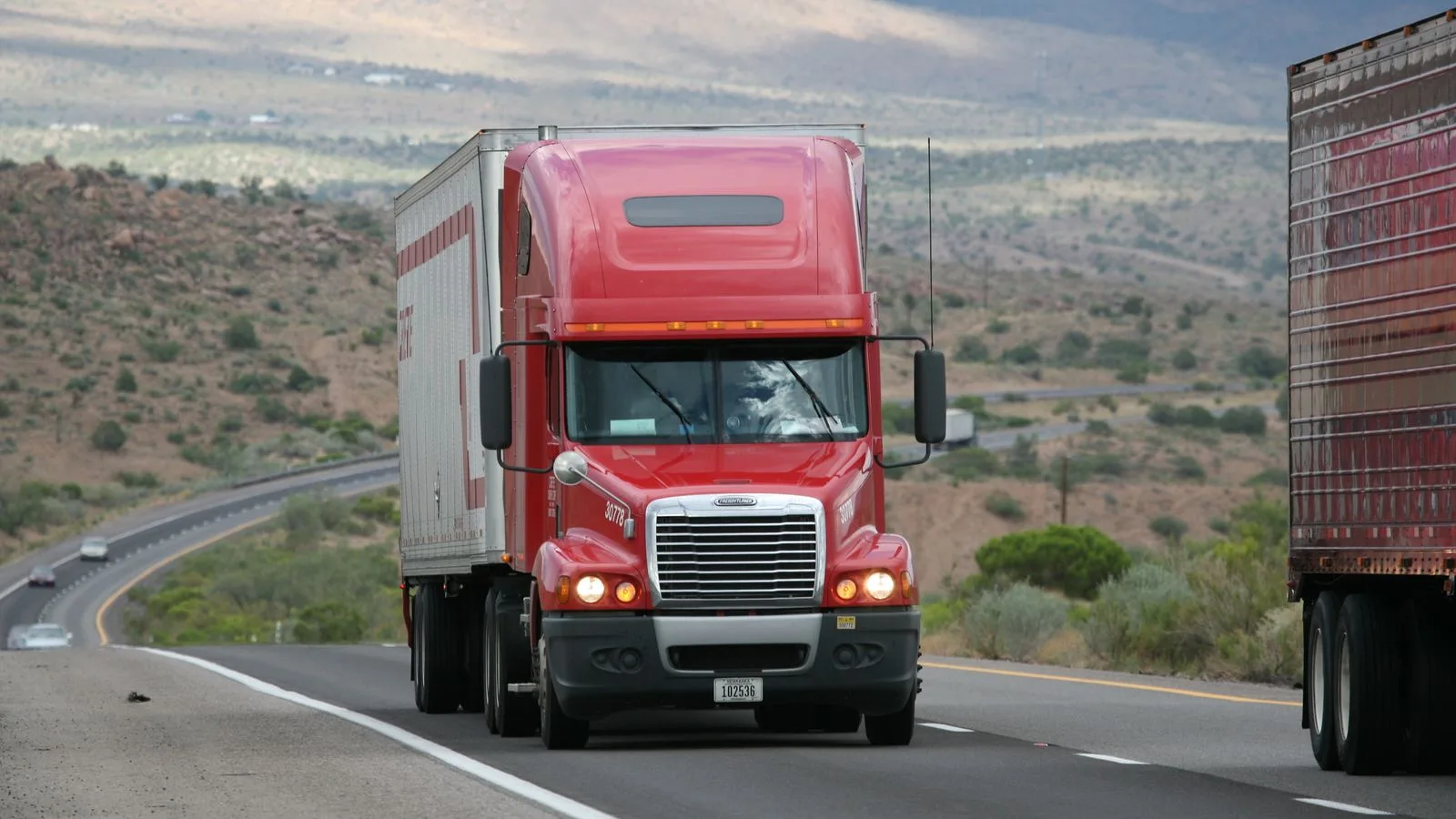
Arlington Truck Accident Lawyer
Learn more →
Frequently asked
Questions Texas accident victims ask us
- Arlington is in Tarrant County, so suits exceeding the JP-court limit are typically filed at the Tom Vandergriff Civil Courts Building in Fort Worth, the civil component of the Tarrant County Justice Center. The civil district courts hear personal injury filings by random docket draw. If the defendant is a corporate entity headquartered outside Tarrant County, Tex. Civ. Prac. & Rem. Code § 15.002 may permit suit in a different county, which can meaningfully change settlement value. We evaluate venue before drafting the petition.
- Yes. We represent Arlington and broader Tarrant County clients statewide and travel for the work that requires on-the-ground attention: scene visits at the stadium district, premises-evidence preservation, depositions, and Tarrant County trial settings. The boutique caseload is what makes that math work. The same attorney handles your file from intake forward, with phone and video access between in-person visits. We associate locally only when a specific procedural advantage requires it.
- Three things, in order. First, get medical evaluation even if you feel okay; adrenaline masks injuries for hours after an incident. Second, report the incident to the venue and get a written copy of the incident report; venue operators sometimes prefer to handle complaints informally, which costs you the written record. Third, do not give a recorded statement to the venue's risk management or its insurer before talking to a lawyer. The surveillance, witness identification, and concessionaire contracts that drive these cases all have short preservation windows.
- Two years from the date of injury under Tex. Civ. Prac. & Rem. Code § 16.003. The deadline applies statewide; Arlington is not different. Claims against the City of Arlington or Tarrant County require pre-suit notice within six months under the Texas Tort Claims Act and may require earlier notice under city charter provisions. Treat the two-year window as a backstop, not a target; evidence preservation work needs to be done well before then.
- It depends on the driver's app status at the exact moment of impact. App off: only the driver's personal auto policy applies. App on but no ride request accepted: a smaller contingent policy from the rideshare platform applies. Ride accepted or passenger in vehicle: the platform's $1,000,000 commercial coverage applies. The trip status timestamp drives everything, which is why pulling the rideshare records in the first week is the single most valuable piece of work in a rideshare-involved case.
- Two real differences. First, witness density is much higher at events: pedestrian witnesses, rideshare drivers staging for pickups, stadium employees on shift — but those witnesses scatter quickly, so identification has to happen at the scene or through the police report supplement. Second, surveillance coverage from the stadium and its parking operations is more extensive than a typical city block, but retention windows are short. A preservation letter in week one preserves evidence that a preservation letter in month three does not.
- Most injuries to park guests are premises-liability cases against the park operator under Texas premises law: the park owes invitees a duty of reasonable care to discover and warn of unreasonably dangerous conditions. Ride-specific injuries can also implicate the ride manufacturer, the maintenance contractor, or a concessionaire depending on how the incident developed. Texas amusement-park regulations and any guest ticket terms (including arbitration provisions) become part of the analysis. We review the incident report and the ticket terms before deciding how to position the demand.
- Volume firms are built to settle files quickly. Most Arlington intake gets routed to paralegals working a high-throughput pipeline, and the lawyer named on the billboard rarely touches the case. Cap City keeps the caseload small enough that the attorney handling your file is the one writing the demand, calling the adjuster, and showing up at the Tarrant County courthouse if the case has to be tried. For event-driven Arlington cases where evidence preservation is everything, direct attorney attention from day one matters.
Let's talk about your case.
Free case review, no obligation. We'll tell you straight whether we can help.