
Areas served
Flower Mound Personal Injury Lawyer
Flower Mound is a low-density residential suburb wedged between Lake Grapevine to the south and Lewisville Lake to the east, with most of its mass in Denton County and a slim southern strip extending into Tarrant. The dual-county footprint matters for filing: a crash on the south side of the city may sit in either county under Tex. Civ. Prac. & Rem. Code § 15.002, and the venue choice can shift the courthouse, the docket pace, and the jury pool. The standard Texas framework applies: a two-year statute under § 16.003 and modified comparative fault under § 33.001. What makes Flower Mound's PI profile different from the rest of the corridor is geography: the Cross Timbers terrain, curving FM-2499 elevation changes, and lake-adjacent recreational traffic shape a recurring set of fact patterns the local insurers see often.
FM-2499, FM-1171, and the Cross Timbers road geometry
FM-2499 is Flower Mound's spine: a divided arterial running south from FM-407 down to the Grapevine boundary, threading through the city's commercial and residential center. Its curvature and elevation changes near the lake produce a recurring single-vehicle and rear-end pattern in the rain or after dark. FM-1171 (Cross Timbers Road) is the east-west connector linking Flower Mound to Highland Village on the east and to the Trophy Club / Westlake corridor on the west; its signalized intersections at FM-2499 and Long Prairie Road carry the bulk of left-turn collisions. Inside the city, the Long Prairie Road and Morriss Road corridors generate the bulk of suburban surface-street crashes. Because the city's overall density is low, intersection-volume spikes at school start and dismissal are pronounced and predictable.
Denton County, Tarrant County, and venue choice
Most Flower Mound civil injury filings are docketed in Denton County district court (the 16th, 158th, 211th, 362nd, 367th, 431st in downtown Denton) because most of the city sits in Denton County. The southern sliver inside Tarrant County would file in Tarrant County district court in Fort Worth. For commercial defendants headquartered elsewhere — a freight carrier, a regional service-vehicle operator, a national rideshare entity — Tex. Civ. Prac. & Rem. Code § 15.002 may open additional venues that we evaluate before filing. Denton County moves faster than Dallas or Tarrant, which can be a strategic advantage on serious cases where pace matters. We confirm the exact county at the crash location before drafting venue allegations.
Hospitals and trauma routing for Flower Mound crashes
Texas Health Presbyterian Hospital Flower Mound sits in the city itself and receives the majority of moderate-acuity crash patients. Medical City Lewisville is the nearest large alternative and handles overflow. Serious trauma is commonly transferred to Medical City Plano, Baylor Scott & White at McKinney, or — for the worst injuries — to JPS Health Network in Fort Worth or Baylor University Medical Center in downtown Dallas, depending on EMS protocol and the responding agency. The ER pattern we see in Flower Mound files matches the rest of the corridor: rapid intake, conservative imaging, and discharge summaries that frequently understate concussive and disc injuries showing up at follow-up. The medical chronology stands or falls on the follow-up record.
Lake adjacency, school traffic, and the suburban-event injury layer
Flower Mound's southern boundary runs along Lake Grapevine and its eastern boundary touches Lewisville Lake; that gives the city two lake-traffic surges, with FM-2499 carrying lake-bound traffic from April through October and FM-407 connecting east toward Lewisville's marina cluster. Boat-trailer collisions, premises claims at lake-adjacent restaurants, and Sunday-evening DUI-involved crashes are the recurring fact patterns. The city's school footprint, large LISD and Argyle ISD enrollment, adds school-zone pedestrian and bus-corridor incidents at predictable morning and afternoon windows. Camera coverage in the city is uneven: traffic-signal cameras are well-deployed on FM-2499 and FM-1171 but sparse on residential collectors, and home-security and Ring-doorbell footage often becomes primary evidence in residential-area collisions. Preservation letters in the first week matter.
Flower Mound practice areas
How we help Flower Mound injury victims.

Flower Mound Car Accident Lawyer
Learn more →

Flower Mound Catastrophic Injury Lawyer
Learn more →

Flower Mound Dog Bite Lawyer
Learn more →

Flower Mound Motorcycle Accident Lawyer
Learn more →
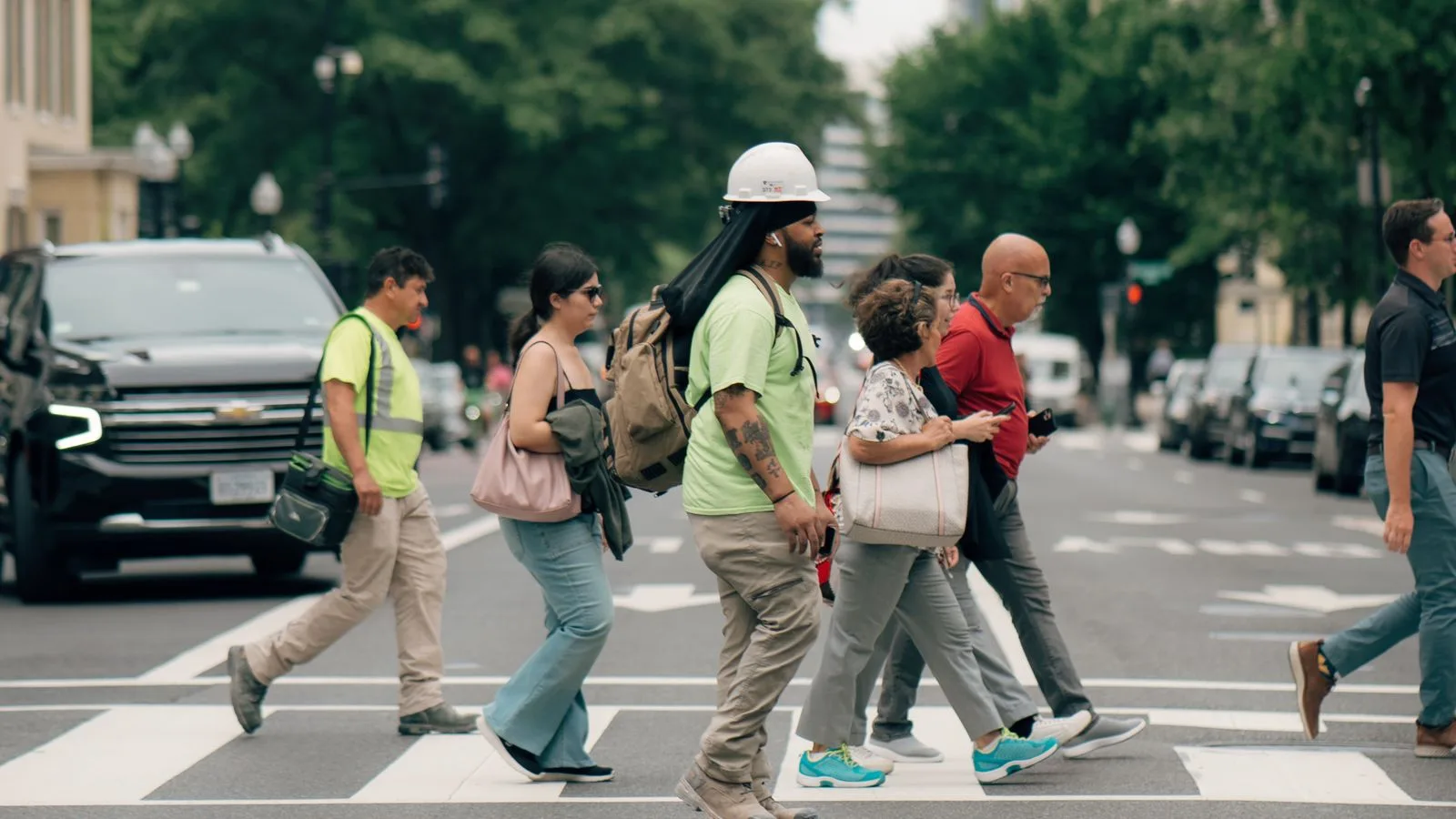
Flower Mound Pedestrian Accident Lawyer
Learn more →

Flower Mound Slip & Fall Lawyer
Learn more →

Flower Mound Truck Accident Lawyer
Learn more →
Frequently asked
Questions Texas accident victims ask us
- Yes. Cap City represents injured clients statewide from our Austin office, and Denton and Tarrant counties are regular venues for our files. Texas law is uniform across the state, and the work that matters — investigation, medical-record development, demand drafting, and negotiation — runs the same regardless of which office the lawyer sits in. We travel for required court appearances. The advantage compared to a metro-DFW billboard firm is direct attorney access: you work with the lawyer who knows your file.
- Most of Flower Mound sits in Denton County, but a southern sliver extends into Tarrant County. We confirm the exact county at the crash location using the police report and TxDOT mileage data before drafting the venue allegations. When a commercial defendant is headquartered outside the crash county, Tex. Civ. Prac. & Rem. Code § 15.002 can open additional venue options. Dallas or Collin County are sometimes available depending on the defendant's principal office.
- Texas Health Presbyterian Hospital Flower Mound is the in-city admission hospital and handles most moderate-acuity patients. Medical City Lewisville sits nearby and receives overflow. Major trauma is typically transferred to Medical City Plano, Baylor Scott & White McKinney, or — depending on the injury and EMS protocol — to JPS in Fort Worth or Baylor University Medical Center in downtown Dallas. We are familiar with documentation from each system.
- FM-2499 has elevation and curvature features that produce a recurring fact pattern: wet-pavement loss of control, over-correction, and chain-reaction rear-ends in the deceleration zones. Liability in these files often turns on pavement condition, signage adequacy, and following-distance evidence. TxDOT maintenance records, signal-timing logs, and any nearby dashcam footage can be dispositive, and we send preservation letters in the first week to lock those in.
- Two years from the injury date under Tex. Civ. Prac. & Rem. Code § 16.003. The same statute applies in every Texas county. Special rules govern minor plaintiffs, claims against governmental defendants (the Texas Tort Claims Act requires written notice within six months under § 101.101), and certain delayed-discovery cases. Plan for two years and contact a lawyer well before then so signal data and camera footage can still be preserved.
- School-zone collisions follow ordinary motor-vehicle tort principles, but the reduced speed limit and the presence of pedestrians at known windows raises the liability ceiling on a driver who fails to slow or yield. If the at-fault driver is in a school-district or governmental vehicle, the Texas Tort Claims Act framework attaches: damages caps and a six-month written-notice requirement. We assess that branch quickly because of the shorter notice clock.
- Yes. Boat-trailer collisions on FM-2499, FM-407, and the lake-approach roads are ordinary motor-vehicle claims. Watercraft and dock incidents can implicate Texas Water Safety Act provisions, premises-liability against the marina or restaurant operator, and sometimes federal admiralty rules. US Army Corps of Engineers-operated facilities introduce a Federal Tort Claims Act analysis on certain claims. The right framing depends on the exact location and the controlling party.
- Volume firms in north DFW are running thousands of files and triage on settlement velocity, which closes soft-tissue cases at the first reasonable offer and leaves serious files without senior-attorney attention until late. Cap City takes fewer cases on purpose so the attorney handling your Flower Mound file is the one who knows the Denton County courts, the FM-2499 corridor, and the local insurance adjusters. You talk to your lawyer directly.
Let's talk about your case.
Free case review, no obligation. We'll tell you straight whether we can help.