
Brownsville · Truck Accident
Brownsville Truck Accident Lawyer
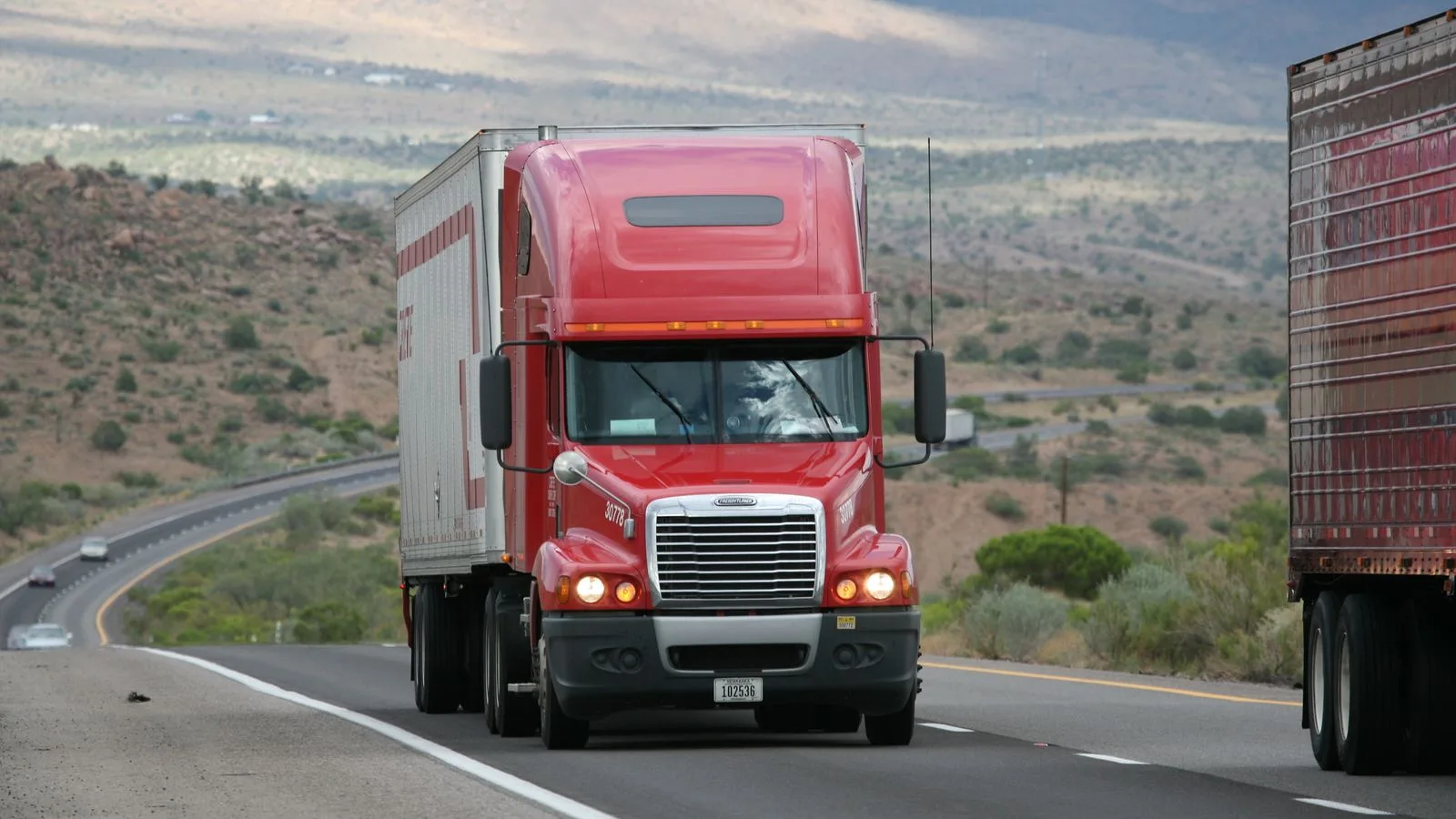
A commercial truck crash claim in Brownsville is governed by both Texas negligence law and the Federal Motor Carrier Safety Regulations, which impose strict hours-of-service, inspection, and driver-qualification requirements on the carriers hauling freight through the Port of Brownsville, along I-69E, and on SH-48 and SH-4. The two-year statute under Tex. Civ. Prac. & Rem. Code § 16.003 applies, but the practical window to secure ELD data, ECM downloads, and qualification files is far shorter because carriers cycle those records in weeks. The mass differential between a loaded tractor-trailer and a passenger car means injuries in these crashes are routinely severe and the carrier's coverage, commercial auto beneath a corporate umbrella, is far deeper than in a car-to-car case.
Why Brownsville cases are different
Brownsville carries commercial defendants more often than most Texas cities. The Port of Brownsville, bridge-cleared international freight on I-69E, and SpaceX supply traffic on SH-4 all put 18-wheelers and FMCSA-regulated carriers into the crash mix. Cap City builds those Cameron County cases from Austin.
The Port, the bridges, and the freight corridors
The Port of Brownsville on the Brownsville Ship Channel is the largest land-owning port in the country, moving steel scrap, oil-and-gas service equipment, and wind-component cargo. That traffic generates tractor-trailer and contractor-vehicle movement along SH-48 and east SH-4, while bridge-cleared international freight runs the I-69E corridor north toward Harlingen. Each corridor produces a commercial-defendant case rather than a passenger-car case. When a flatbed running steel from the Port rear-ends a vehicle stacked ahead of the FM-802 exit on US-77, the file immediately involves the motor carrier, its commercial auto policy, and frequently a corporate umbrella above it. We identify the carrier and the cargo origin first, because that drives every preservation step that follows.
FMCSA records and the spoliation clock
Federally regulated carriers must keep driver-qualification files, hours-of-service records, electronic logging device (ELD) data, and post-crash drug-and-alcohol testing, and the CSA safety record adds context on prior violations. The problem is timing: ELD and telematics data cycle on short retention windows, and contractor turnover in the SH-4 corridor near Boca Chica makes records harder to obtain after the fact. We send preservation letters within days of intake covering the tractor's ECM, ELD logs, the driver-qualification file, and post-crash testing, so the data is locked before the carrier overwrites it. Because the truck was operated in furtherance of the carrier's business, employer liability attaches and we tender against the commercial layer rather than a thin personal policy. Many Port-serving carriers are headquartered out of state, which raises separate removal exposure addressed below.
More in Brownsville
Other ways we help Brownsville injury victims.






Frequently asked
Brownsville truck accident questions
- A federally regulated carrier brings records a passenger case never has: driver-qualification files, hours-of-service logs, ELD data, post-crash testing, and a CSA safety history. Commercial auto coverage usually sits beneath a corporate umbrella, so the available recovery is larger. The case is also built faster, because telematics data cycles quickly and has to be preserved within days, not months.
- Many carriers serving the Port of Brownsville are headquartered out of state. When there is diversity of citizenship and the amount in controversy exceeds $75,000, the defendant can remove the case to the U.S. District Court for the Southern District of Texas, Brownsville Division, on East Levee Street. We evaluate that removal calculus before filing, because federal timing and local rules differ materially from Cameron County state court.
- Be cautious. Early offers usually arrive before the full injury picture and the carrier's safety record are known, and they often come tied to a recorded statement and a release. Once you sign, the claim is closed. We recommend preserving the ELD and ECM data and completing the medical workup before any number is evaluated against the commercial coverage actually available.
- Federally regulated carriers are required to maintain driver-qualification files, hours-of-service records, ELD data, pre-trip inspection logs, and post-crash drug-and-alcohol testing. The tractor's ECM also captures speed, braking, and engine data around the impact. These records are central to a Brownsville truck case but have short retention cycles, which is why preservation letters go out within days of intake, before the carrier has any reason to let them expire.
- It can matter for identifying the full defendant chain. Carriers hauling steel scrap, oil-and-gas service equipment, or wind components may involve a shipper or loader alongside the motor carrier if improper loading contributed to the crash. Hazardous cargo also triggers higher federal minimum insurance requirements. We trace the cargo origin and the shipper-carrier relationship at intake to make sure every responsible party is identified.
- Commercial-defendant cases are typically longer than two-car cases because they involve more parties, more records, and often more severe injuries requiring a full medical workup before the value is clear. Discovery on FMCSA compliance files and corporate-umbrella coverage adds complexity. The case is ready when the injury picture, the liability record, and the available coverage are all fully developed, not before.
Where we work from
Downtown Austin. Brownsville clients welcome.
Our office is in downtown Austin; we represent Brownsville-area clients statewide and travel to Brownsville for case-specific needs (scene visits, medical-records consultations, court appearances). Home and hospital visits when injuries make travel difficult.
Talk to a Brownsville truck accident lawyer.
Free case review, no obligation. We'll tell you straight whether we can help.