

Conroe · Catastrophic Injury
Conroe Catastrophic Injury Lawyer
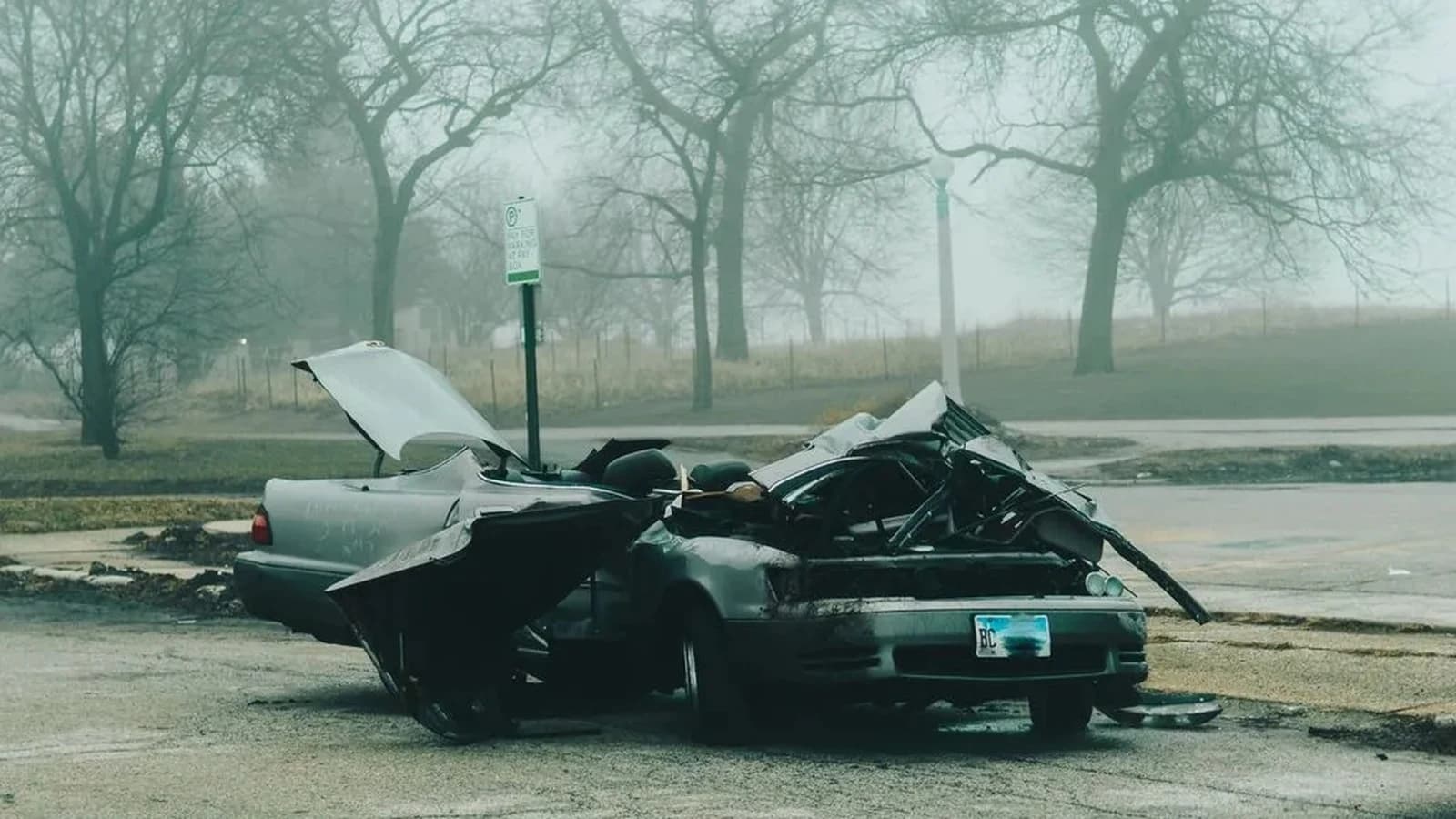
A catastrophic injury or wrongful death case in Conroe is defined not by the mechanism but by the severity: spinal cord injury, traumatic brain injury, or death, where the damages picture requires a certified life-care plan and economic projection to capture decades of future medical needs and lost earning capacity. The Texas Wrongful Death Act (Tex. Civ. Prac. & Rem. Code § 71.004) gives surviving spouse, children, and parents their own claims; the survival statute (§ 71.021) preserves the decedent's pre-death claims for the estate. High-speed corridors on I-45 between the Grand Parkway and Loop 336 and catastrophic events transferring patients south to Memorial Hermann-TMC and Texas Children's are the context for most Conroe catastrophic files. Texas sets a two-year deadline under § 16.003, and cases with commercial defendants often face removal to the Southern District federal courthouse in Houston.
Why Conroe cases are different
The most serious Conroe injuries — spinal cord trauma, brain injury, severe burns, and wrongful death from high-speed I-45 and SH-105 crashes or Lake Conroe incidents — are valued on future medical needs and a life-care plan, not the initial hospital bill, with the gravest cases routinely transferred south on I-45 to Houston trauma centers.
The regional trauma transfer and the delayed injury picture
Conroe's local emergency network triages fast but carries limited specialty depth, so the most serious polytrauma, neurosurgical, and pediatric cases transfer south on I-45 from HCA Houston Healthcare Conroe or Memorial Hermann The Woodlands to Memorial Hermann-TMC and Texas Children's inside the 610 Loop, frequently arriving via Life Flight directly from accident scenes on I-45 or the Lake Conroe arterials. As with the rest of the north Houston metro ER network, fast triage and limited specialty depth mean disc, ligament, concussion, and other catastrophic findings are routinely under-documented on the first encounter, with the real injury picture surfacing at follow-up. Building a catastrophic case here means following the post-discharge and specialist records closely, because the difference between an acute-care bill and the true lifetime cost of a spinal cord, brain, or burn injury only emerges as the long-term course develops. The chronology is built on the records that come after discharge.
Future medicals, life-care planning, and the high-stakes posture
A catastrophic injury — spinal cord damage, traumatic brain injury, severe burns, or wrongful death — is valued primarily on what lies ahead: decades of medical care, attendant and rehabilitation needs, lost earning capacity, and home and vehicle modification. That future is proven through a life-care plan and economic projections, not a stack of past bills. The posture is often high-stakes and layered. Where a company-titled or commercial vehicle is involved, the case opens against the employer's commercial auto and umbrella coverage rather than the driver's personal policy ceiling. Where Lake Conroe is involved, a watercraft incident on the lake itself implicates different liability rules — Texas Parks and Wildlife operating regulations, vessel-operator duties, and in some federal-water cases admiralty principles — and is worked separately from a road crash. Because many serious defendants are out-of-state corporations, diversity removal from Montgomery County to the Southern District of Texas at the Bob Casey courthouse in Houston is a real prospect that shapes strategy from the start.




Frequently asked
Conroe catastrophic injury questions
- Because the real cost of a spinal cord injury, brain injury, or severe burn is in the future: decades of medical care, attendant help, rehabilitation, lost earning capacity, and home modifications. Past bills capture only a fraction. A life-care plan and economic projections translate that future into a documented figure, which is what allows the claim to reflect the lifetime impact rather than just the acute hospital stay.
- The most serious polytrauma, neurosurgical, and pediatric cases transfer south on I-45 to Memorial Hermann-TMC and Texas Children's inside the 610 Loop because the local Conroe facilities have limited specialty depth. That transfer signals catastrophic injury and generates records across multiple institutions. The full injury picture, and its lifetime cost, typically develops through specialist follow-up after discharge rather than appearing on the first ER chart.
- Often yes. When a company-titled or commercial vehicle is being driven on the employer's business, the claim can reach the employer's commercial auto policy and any umbrella layer rather than being capped at the driver's personal coverage. Those layered policies are typically far larger and matter enormously in a catastrophic case, where future medical and life-care costs can dwarf a personal policy's limits.
- Under the Texas Wrongful Death Act, Tex. Civ. Prac. & Rem. Code § 71.004, surviving spouses, children, and parents have standing to bring a wrongful death claim. Siblings, unmarried partners, and other relatives do not have a statutory wrongful death claim. The decedent's estate also preserves its own claim for pre-death pain, suffering, and economic loss under the survival statute at § 71.021. Both claims can proceed together.
- Through a certified life-care planner who reviews the neurosurgical, neuropsychological, and rehabilitation records and projects the full course of care — attendant services, therapies, medications, housing modifications, and lost earning capacity — over the client's life expectancy. An economist then reduces that plan to a present-value figure for use at trial or in settlement negotiations. The plan is what separates a traumatic brain injury claim built on future reality from one based on past bills alone.
- Yes. A watercraft incident on Lake Conroe, accessed via FM-105 west of the city and FM-1097, implicates Texas Parks and Wildlife operating regulations, vessel-operator duty rules, and potentially federal admiralty principles depending on the waters involved. That analysis runs separately from a road-crash case, and the insurance coverage picture is different as well. If the crash involved both a road vehicle and a watercraft interaction, we work the analyses in parallel.
Where we work from
Downtown Austin. Conroe clients welcome.
Our office is in downtown Austin; we represent Conroe-area clients statewide and travel to Conroe for case-specific needs (scene visits, medical-records consultations, court appearances). Home and hospital visits when injuries make travel difficult.
Talk to a Conroe catastrophic injury lawyer.
Free case review, no obligation. We'll tell you straight whether we can help.