
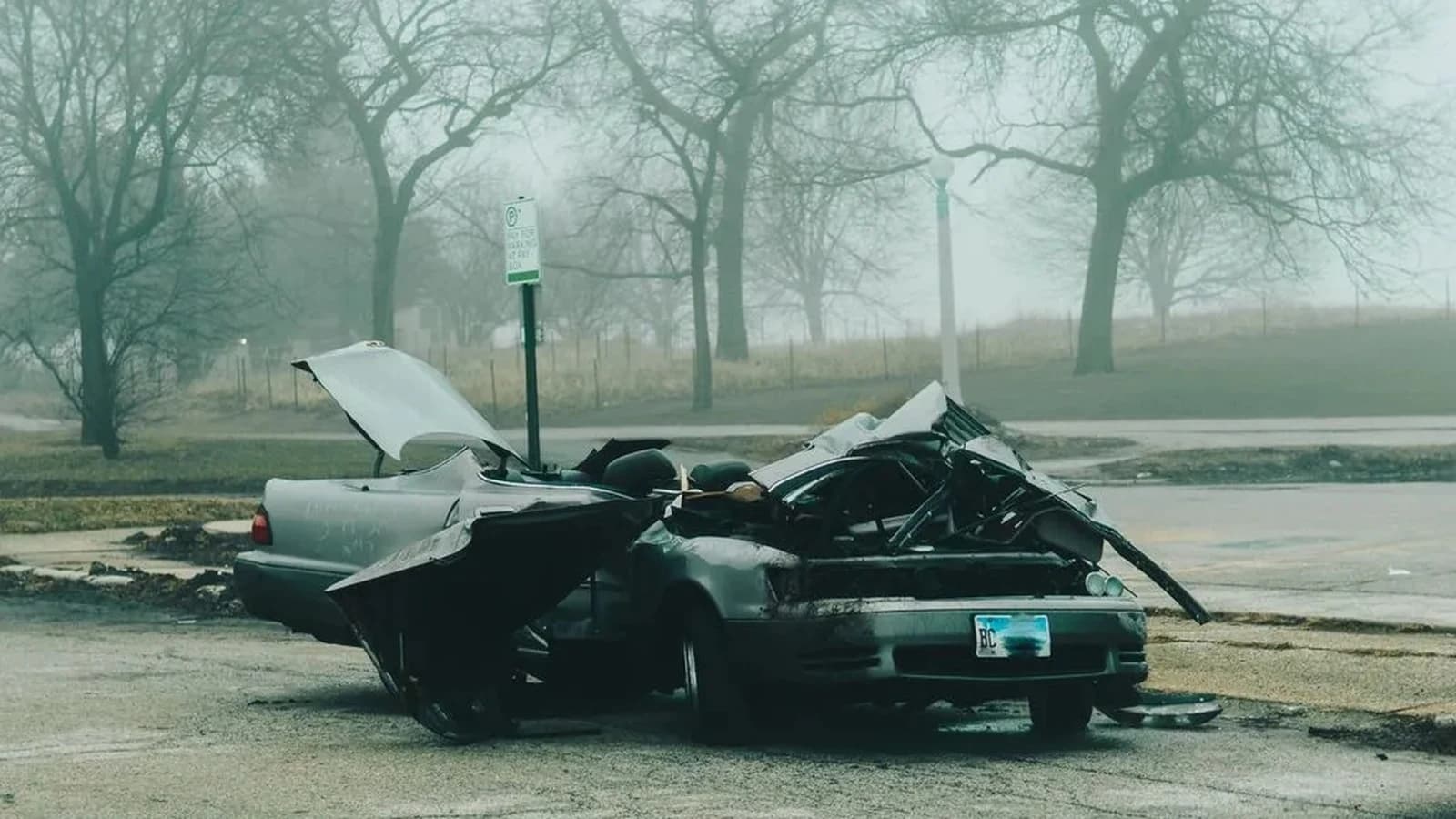
Conroe · Car Accident
Conroe Car Accident Lawyer
A car accident claim in Conroe is a fault-based personal injury case that applies Texas modified comparative fault: you can recover damages as long as you are 50 percent or less at fault, with your award reduced by your own share. The busiest corridors — I-45 between the Grand Parkway and Loop 336 and the SH-105 arterial through the city — generate the bulk of Montgomery County car-crash filings, which are heard at the district courts in the Lee G. Alworth Building on West Davis Street. Rear-end merges, intersection left-turn failures, and hit-and-run incidents are the dominant patterns. Texas law gives you two years from the crash date under Tex. Civ. Prac. & Rem. Code § 16.003 to bring suit.
Why Conroe cases are different
Conroe's crash files cluster on I-45 between the Grand Parkway and Loop 336, along the SH-105 east-west arterial, and at the Loop 336 frontage-road intersections: high-speed commuter and through-traffic mixed with heavy commercial volume, which shapes how a car-accident claim here is investigated and venued in Montgomery County.
Fault and Chapter 33 proportionate responsibility on I-45 and SH-105
The I-45 stretch between the Grand Parkway (SH-99) and Loop 336 produces a recurring merge-and-rear-end signature at the Crighton Road, FM-3083, FM-1488, and SH-105 exits, where commuter speed meets through-traffic slowdowns. SH-105 through the city generates intersection collisions, especially at Loop 336 and the FM-2854 split, where left-turn and failure-to-yield crashes are common. Texas applies proportionate responsibility under Chapter 33 of the Civil Practice and Remedies Code: a jury assigns each party a percentage of fault, and an injured driver recovers only if their share does not exceed 50 percent, with damages reduced by their own percentage. Sorting who caused what on a fast I-45 merge or a busy SH-105 intersection often turns on EDR download data, the physical point of impact, and any signal-timing logs or roadway evidence captured in the DPS investigation. Getting that sequence right early protects a Conroe client from being mis-blamed.
UM/UIM coverage and the out-of-area Lake Conroe driver
Not every at-fault driver on Conroe roads carries enough liability coverage to make a seriously injured client whole, and Lake Conroe weekend traffic pulls in a higher rate of out-of-area and underinsured motorists than weekday commuter traffic. Texas drivers can carry uninsured/underinsured motorist coverage on their own policy, which steps in when the other driver has no insurance or limits too low for the injuries. UM/UIM is a separate claim against your own insurer with its own notice rules, and consent-to-settle and Stowers-type issues can arise. Because crashes in Conroe and across most of Montgomery County are venued at the Lee G. Alworth Building under Texas Civil Practice and Remedies Code Section 15.002, the local docket and jury pool, meaningfully different from Harris County to the south, influence both timeline and value. We map the full coverage stack at intake: the at-fault driver's liability limits, any commercial policy if their vehicle was on a work errand, and the client's own UM/UIM.
More in Conroe
Other ways we help Conroe injury victims.



Frequently asked
Conroe car accident questions
- If you carry uninsured/underinsured motorist coverage on your own auto policy, it can cover the gap between the at-fault driver's limits and your actual damages. UM/UIM is a separate claim against your own insurer with its own notice and consent rules. Check your declarations page; many Texans carry it without realizing. Out-of-area and underinsured drivers are especially common in Lake Conroe weekend traffic.
- Usually the following driver who failed to stop carries the primary fault, but insurers sometimes try to shift blame onto a driver who slowed for traffic. Texas uses proportionate responsibility under Chapter 33, so each driver gets a percentage and you recover if yours stays at 50 percent or less. EDR data, the physical damage pattern, and the DPS investigation record typically establish who caused the impact, which is why preserving that evidence quickly matters on a busy merge.
- Two years from the date of the crash under Texas Civil Practice and Remedies Code Section 16.003. If a governmental entity is involved — the City of Conroe, Montgomery County, Conroe ISD, or the State — Texas Tort Claims Act notice requirements run on much shorter clocks. Conroe crashes are venued in Montgomery County district court at the Lee G. Alworth Building, though out-of-state defendants can trigger federal removal to Houston.
- Intersection cases hinge on right-of-way and signal phase. We request signal-timing logs from Conroe Public Works and look for any intersection camera footage before it overwrites. The physical point of impact on both vehicles, skid-mark evidence, and witness accounts establish which driver had the right-of-way. If the at-fault driver was on a work errand, we also look for a commercial policy behind the personal auto coverage.
- A hit-and-run still leaves recoverable evidence: DPS investigation, nearby surveillance cameras, witness descriptions, and EDR data from your own vehicle. Your own uninsured motorist coverage is the primary payment source when the other driver is never identified. Texas requires that you report the crash and make a timely UM claim, so contacting counsel quickly after a hit-and-run protects both evidence and coverage.
- Crashes occurring in Conroe or elsewhere in Montgomery County are venued at the Lee G. Alworth Building district courts at 207 West Davis Street in Conroe. If the at-fault driver's employer is an out-of-state corporation, they may remove the case to the Southern District of Texas federal courthouse in Houston. We evaluate that removal risk before filing and factor the Montgomery County jury pool and docket pace into early strategy.
Where we work from
Downtown Austin. Conroe clients welcome.
Our office is in downtown Austin; we represent Conroe-area clients statewide and travel to Conroe for case-specific needs (scene visits, medical-records consultations, court appearances). Home and hospital visits when injuries make travel difficult.
Talk to a Conroe car accident lawyer.
Free case review, no obligation. We'll tell you straight whether we can help.