
McKinney · Truck Accident
McKinney Truck Accident Lawyer
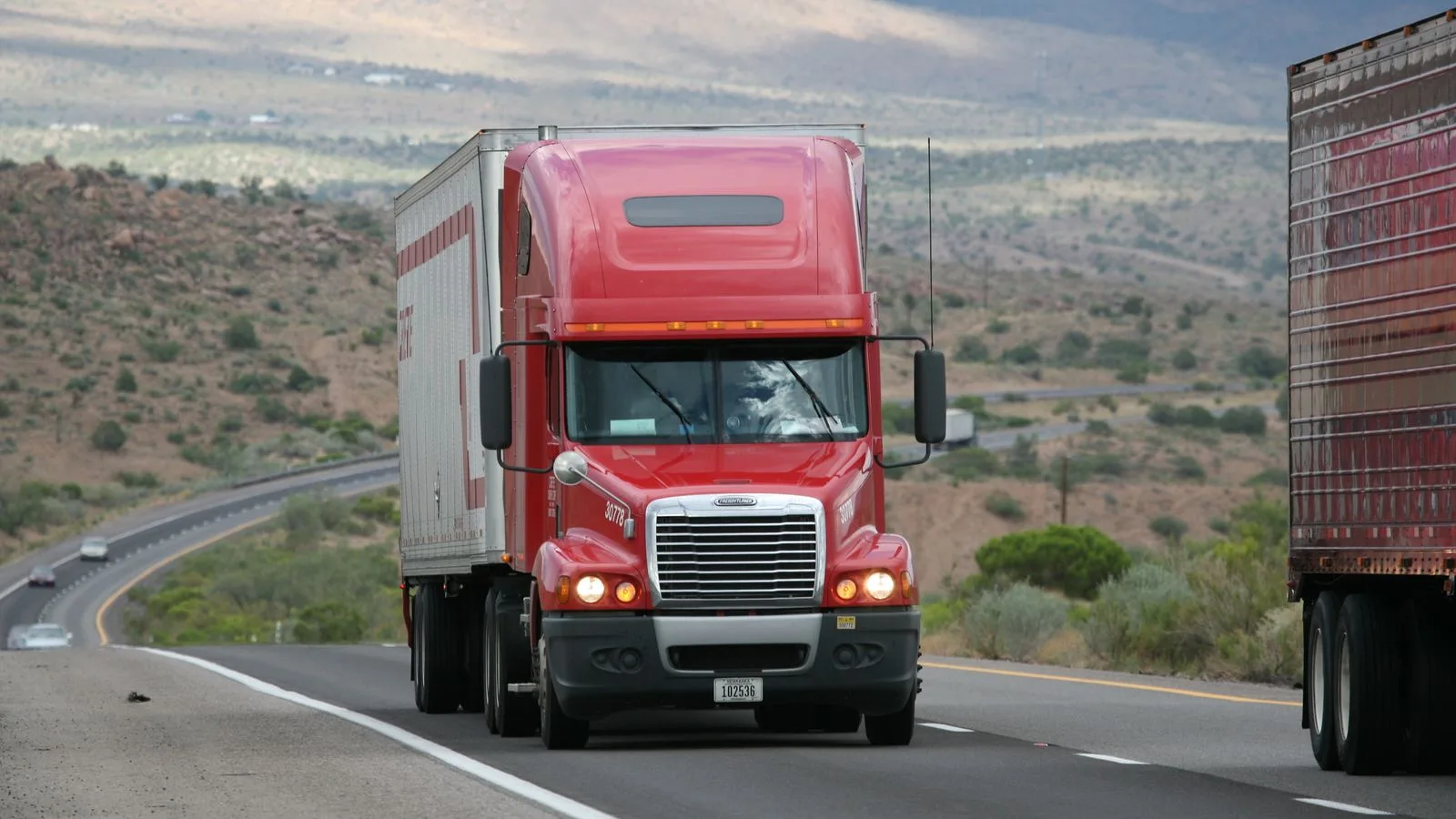
A commercial truck accident claim in McKinney involves a tractor-trailer or heavy commercial vehicle operating under the Federal Motor Carrier Safety Regulations on corridors like SH-121 or US-380, where the motor carrier and its regulated records — driver hours logs, ELD data, maintenance files — become central evidence alongside the driver's negligence. Because Texas respondeat superior principles hold the carrier responsible for a driver in the course of employment, the lawsuit typically targets both the driver and the motor carrier, and sometimes a maintenance contractor or shipper. The two-year limitations clock under Tex. Civ. Prac. & Rem. Code § 16.003 starts at the crash date, but the practical window to preserve ELD and ECM data is far shorter, often days. Suits against Collin County defendants are filed at the Russell A. Steindam Courts Building in McKinney.
Why McKinney cases are different
SH-121, the Sam Rayburn Tollway along McKinney's southern boundary, feeds commercial-vehicle traffic between the city and Frisco and Allen, and the high-growth US-380 ring is drawing more commercial-fleet involvement every year. An 18-wheeler crash on those corridors is a different legal animal than a passenger-car case.
Federal rules and the evidence a commercial carrier controls
Commercial trucks moving through McKinney on SH-121 and the developing US-380 corridor operate under the Federal Motor Carrier Safety Regulations, which reach far beyond ordinary traffic law. Hours-of-service limits, electronic logging device records, driver qualification files, maintenance and inspection records, and drug-and-alcohol testing all become discoverable evidence when a tractor-trailer causes a crash. The catch is that the carrier, not the injured person, holds nearly all of it, and routine retention windows are short. A spoliation and preservation letter sent in the first days is what locks down the ELD data, the engine control module download, and dispatch records before a fleet's normal document cycle erases them. On a high-speed SH-121 or US-380 impact, that electronic record often tells the real story of speed, braking, and fatigue that no witness on the scene can.
Employer liability and the higher commercial policy layer
Truck cases usually reach beyond the driver. Under Texas vicarious-liability principles, a motor carrier is generally responsible for the negligence of a driver acting in the course of employment, and the carrier can carry independent exposure for negligent hiring, training, supervision, or fleet maintenance. That matters in McKinney's growth corridors, where new-driver and out-of-area-driver crashes are already a larger share of the pattern. It also matters financially, because commercial trucking policies carry far higher limits than the minimum personal auto policies common in local passenger-car crashes. Major-trauma truck collisions are typically routed by EMS to Medical City Plano, the regional Level I trauma center, or to Parkland Memorial in Dallas, and the resulting catastrophic injuries can press against even the larger commercial layers, making early identification of every responsible entity essential.
More in McKinney
Other ways we help McKinney injury victims.






Frequently asked
McKinney truck accident questions
- The defendant is a commercial carrier governed by federal safety rules, the available insurance is usually far larger than a personal policy, and the most important evidence, the ELD logs and engine control module data, sits in the carrier's hands. Those records have short retention windows, so a preservation letter in the first days is critical to keeping fault and fatigue evidence intact.
- Often yes. Texas vicarious-liability principles make a carrier responsible for a driver acting within employment, and the company can face its own claims for negligent hiring, training, supervision, or maintenance. Identifying every responsible entity early is what opens access to the higher commercial policy limits a serious McKinney truck crash usually requires.
- Major-trauma collisions are typically routed by EMS to Medical City Plano, the regional Level I trauma center, or to Parkland Memorial in Dallas, while moderate-acuity cases land at Medical City McKinney or Baylor Scott and White McKinney. We pull the complete chart across systems, because the follow-up imaging and specialist notes routinely reframe the value of a high-energy truck case.
- No. A recorded statement taken before you have legal representation and before your full injury picture is established can be used to limit your recovery. The carrier's rapid contact is a standard move, not a friendly gesture. Engaging counsel before speaking with the carrier's team is the right sequence.
- Commercial carriers operating on US-380 or SH-121 are subject to the Federal Motor Carrier Safety Regulations, 49 C.F.R. Parts 350–399. Those rules set limits on how many consecutive hours a driver may operate, require pre-trip and post-trip inspections, mandate drug and alcohol testing, and govern driver qualification and licensing. Violations of those rules can support a negligence claim against the carrier in addition to the driver.
- Two years from the date of the crash under Tex. Civ. Prac. & Rem. Code § 16.003. However, the practical evidence deadline is much shorter: ELD logs, ECM data, and driver qualification files are routinely overwritten on standard carrier retention cycles measured in weeks, not years. A preservation letter must go out within days of the crash to lock those records in place before they are gone.
Where we work from
Downtown Austin. McKinney clients welcome.
Our office is in downtown Austin; we represent McKinney-area clients statewide and travel to McKinney for case-specific needs (scene visits, medical-records consultations, court appearances). Home and hospital visits when injuries make travel difficult.
Talk to a McKinney truck accident lawyer.
Free case review, no obligation. We'll tell you straight whether we can help.