
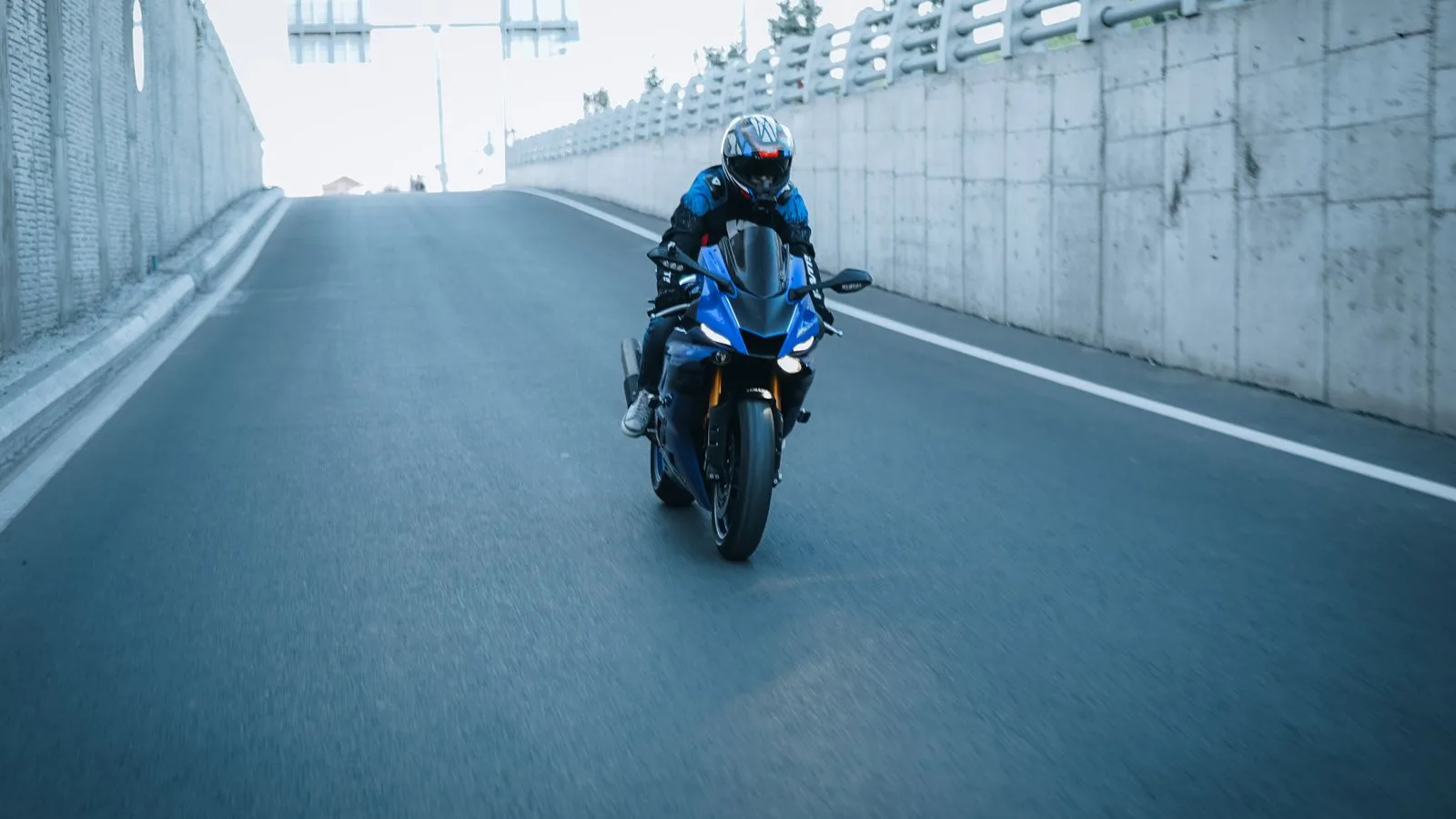
Ozona · Motorcycle Accident
Ozona Motorcycle Accident Lawyer
A motorcycle crash claim in Crockett County follows the same Texas fault-based negligence rules as any other vehicle case, but riders face greater injury severity because there is nothing between them and an 80 mph highway when a driver fails to yield or drifts across the centerline on US-190 or I-10. The two-year statute of limitations under Tex. Civ. Prac. & Rem. Code § 16.003 applies, and modified comparative fault under Chapter 33 means the defense will argue the rider was partially responsible; keeping your assigned fault below 51 percent is the recovery threshold. With no hospital in Crockett County and EMS response times on FM 2398 and the ranch-road network running twenty to forty minutes, riders often face air-ambulance transport to a Level I trauma center before any attorney is involved.
Why Ozona cases are different
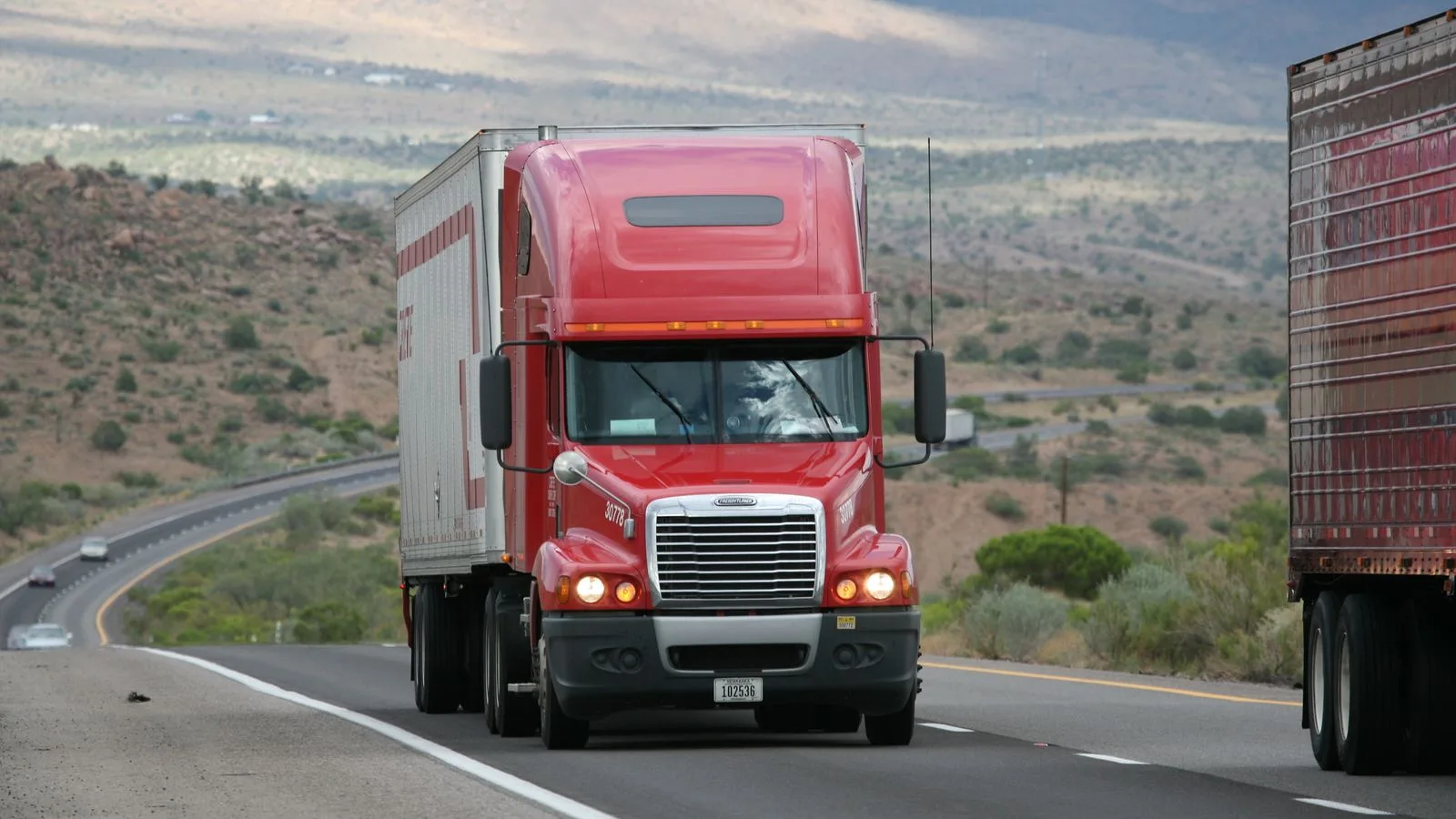
Riding through Crockett County means long, lightly-traveled stretches of I-10 and US-190: sweeping bends, high posted speeds, and a steady mix of tractor-trailers and oilfield trucks that makes a rider's visibility and lane position a constant safety calculation.
The crashes that hurt riders out here
On open West Texas highways the classic urban left-turn intersection crash is less common; the patterns that injure riders in Crockett County are different. US-190 toward Iraan and Sonora is where centerline crossovers and unsafe passing concentrate, and a passenger car or oilfield truck drifting across the line at a high closing speed leaves a rider almost no room. On the FM and ranch-road network, gravel washed onto the shoulder, livestock and wildlife, unmarked drives, and long stretches without traffic that lull drivers into inattention all create hazards a car shrugs off but a motorcycle cannot. On I-10, a fatigued long-haul driver making a lane change at 80 mph may never register a motorcycle beside the trailer. Pinning the mechanism of the crash, not just its location, drives everything that follows.
Rider bias and how the documentary record overcomes it
Jurors, including those in a rural multi-county district, often arrive with an assumption that a motorcyclist was speeding, weaving, or somehow asking for it. In a sparsely populated county where there may be no independent eyewitness to a US-190 crash, that bias can fill the vacuum if the case is not built carefully. The antidote is the same documentary discipline that drives the truck cases out here: the DPS crash report and the investigating trooper's body-worn camera, the scene physical evidence, the other vehicle's data, and a clear treating-physician account of injuries consistent with a defensive rider rather than a reckless one. Texas comparative fault under Chapter 33 means the defense will try to load fault onto the rider; a well-documented file is what keeps that share below the 51-percent bar and intact.


Frequently asked
Ozona motorcycle accident questions
- No, but it changes the strategy. On lightly traveled West Texas highways, independent witnesses are often absent, so the case leans on physical evidence: the DPS report, the trooper's body-worn camera, skid and gouge marks, vehicle damage, and the other vehicle's data. We work to preserve all of it early, because on a remote highway the scene is cleared and the evidence degrades quickly.
- Often, yes: rider bias is real and the defense will try to assign you fault under Chapter 33 to reduce or bar recovery. Staying at or below fifty percent fault is essential. We counter the bias with documentation: an objective reconstruction of lane position and speed, the crash report, and medical findings consistent with a rider who was struck rather than one who caused the wreck.
- They are frequently severe. With no county hospital, high closing speeds on US-190 and I-10, and EMS response on the ranch roads running twenty to forty minutes, riders often face air-ambulance transport to a trauma center in Lubbock or San Antonio. That long pre-hospital window and multi-facility care course should be fully documented, because it shapes both the medical chronology and how the case is presented.
- Riders 21 and older may lawfully ride without a helmet if they carry at least $10,000 in medical-payment coverage or completed an approved safety course under Tex. Transp. Code § 661.003. Helmet status is not admissible to reduce damages for injuries to other parts of the body, and even for head injuries the defense must prove causation — that the helmet would have prevented or reduced the specific injury — before helmet evidence can affect recovery.
- Yes. If the truck is a commercial motor vehicle regulated by the FMCSA, the same carrier-liability and federal-records analysis that applies to an I-10 truck case applies here. Even if it is a smaller work truck not subject to FMCSA rules, the driver and their employer can still face ordinary negligence claims. The road's legal status — county road, private lease road — also affects which agency investigated, so we sort that out at intake.
- Two years from the date of injury under Tex. Civ. Prac. & Rem. Code § 16.003. For a crash on US-190 or I-10 where the other vehicle is a commercial truck, the practical evidence deadline is much shorter. ELD data and ECM telemetry cycle off carrier systems in months. If a governmental entity is involved, the Texas Tort Claims Act requires notice within six months. Do not assume the two-year window means you have two years to gather evidence.
Where we work from
Downtown Austin. Ozona clients welcome.
Our office is in downtown Austin; we represent Ozona-area clients statewide and travel to Ozona for case-specific needs (scene visits, medical-records consultations, court appearances). Home and hospital visits when injuries make travel difficult.
Talk to a Ozona motorcycle accident lawyer.
Free case review, no obligation. We'll tell you straight whether we can help.