
Ozona · Car Accident
Ozona Car Accident Lawyer
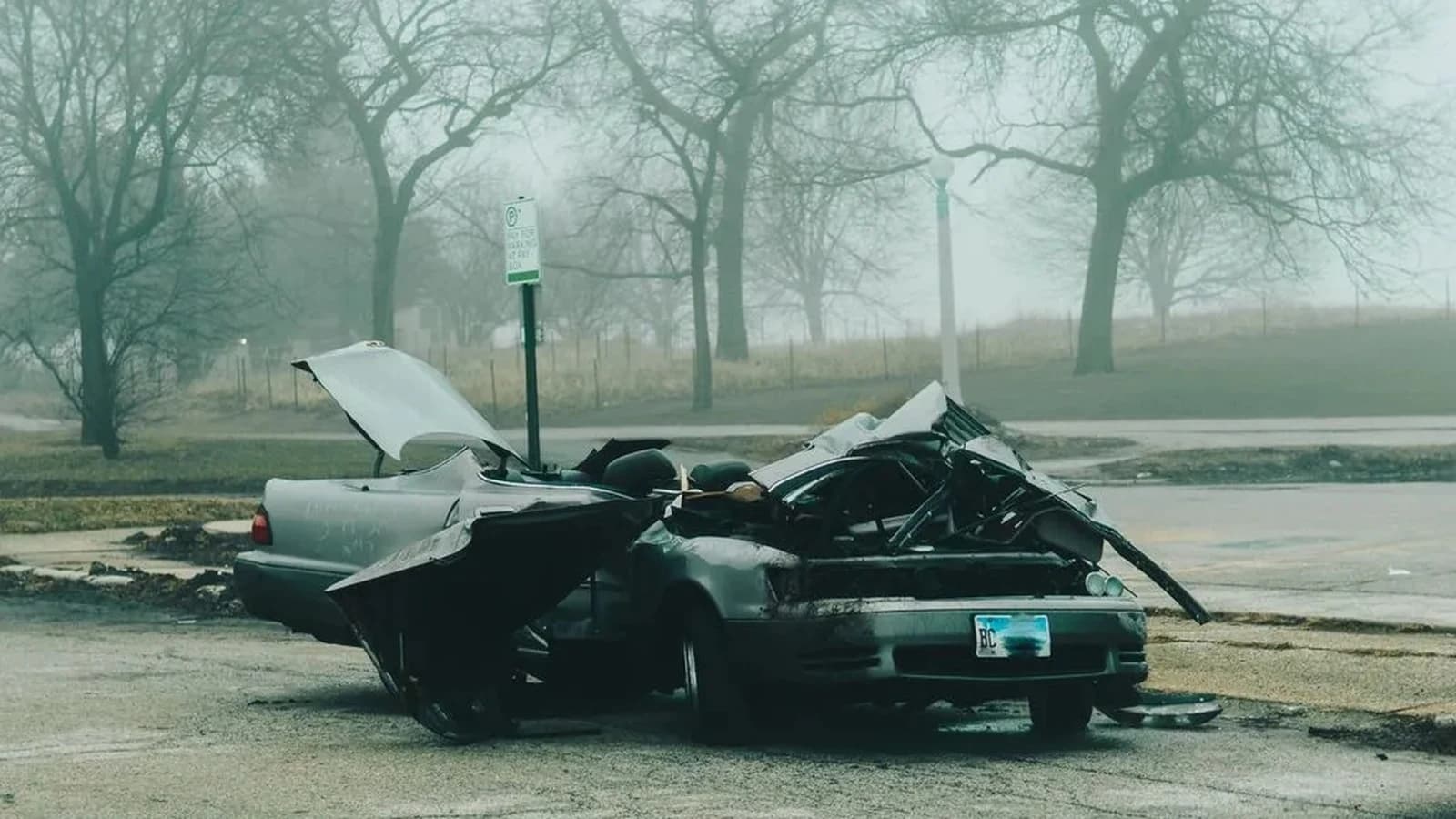
A car accident claim in Crockett County is a personal injury case arising from a collision involving a passenger vehicle on roads like I-10, US-190, or the FM highway network, governed by Texas modified comparative fault. Under Tex. Civ. Prac. & Rem. Code § 16.003 you have two years from the date of injury to file, and you can still recover as long as your share of fault does not exceed fifty percent, though your damages are reduced by whatever percentage the 112th District Court jury assigns to you. Out here, where there are no metro-area witnesses and vehicles are often totaled and towed before an attorney is retained, building the case quickly on the DPS crash report, scene photographs, and any available vehicle data is the first order of business.
Why Ozona cases are different
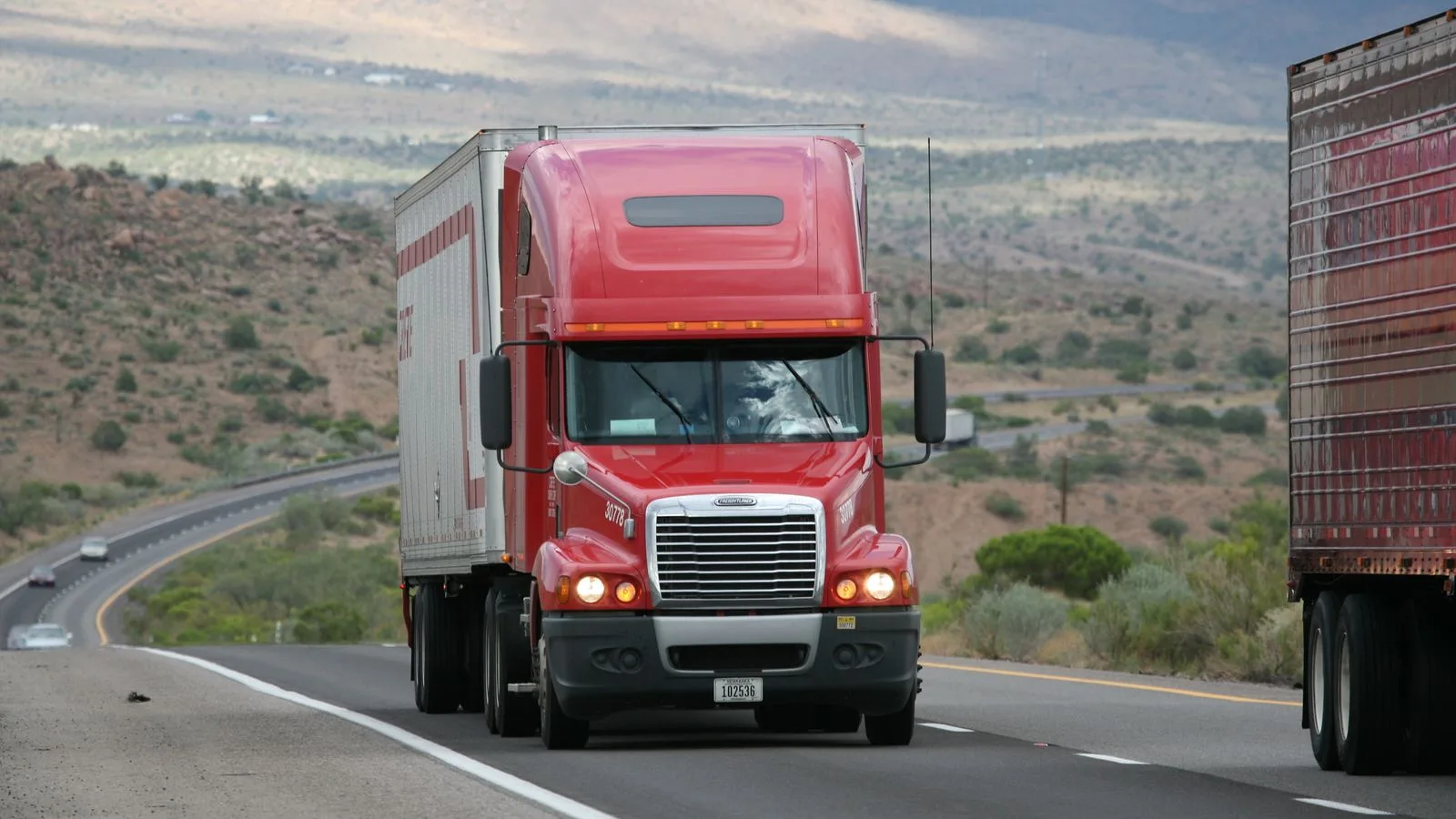
Most Ozona-area collisions happen not on town streets but on the high-speed highways crossing Crockett County's twenty-eight hundred square miles: the 80 mph I-10 mainlanes, US-190 toward Sonora and Iraan, and the FM and ranch-road network where long sightlines meet limited shoulders.
Where Crockett County crashes actually happen
Inside Ozona, US-290 and 11th Street form the commercial corridor, but the serious-injury crashes we open out of this area almost never start in town. They start on I-10, where through-traffic between San Antonio and the Permian Basin runs at posted 80 mph speeds and fatigue and lane-departure patterns dominate; on US-190, where head-on and passing-lane collisions concentrate as oilfield-support traffic and ranching equipment mix; and on FM 2398, FM 1973, and the county-maintained roads where lighter traffic moves fast across long sightlines with little margin for error. Knowing the corridor matters because the dominant fault pattern, the available witnesses, and the investigating agency all change with the road. A high-speed I-10 rear-end and a US-190 centerline crossover are different cases even when the injuries look similar.
Proportionate responsibility and the uninsured reality out here
Texas applies Chapter 33 proportionate responsibility with a 51-percent bar: an injured driver can still recover as long as their share of fault stays at or below fifty percent, but any recovery is reduced by the percentage assigned to them. On rural West Texas highways, fault often turns on speed, fatigue, and centerline position rather than on a crowded intersection, so reconstructing the geometry of a single-vehicle-strikes-another event becomes the central fight. Just as important in a sparsely populated county is coverage: with through-traffic and out-of-area drivers common, the at-fault party may carry only minimum limits or be effectively uninsured. Reviewing your own uninsured and underinsured motorist coverage at intake is not an afterthought here; it is frequently the difference between a real recovery and an empty judgment.

Frequently asked
Ozona car accident questions
- Yes. A crash on a Texas highway gives Texas courts a basis to hear the claim, and venue under Tex. Civ. Prac. & Rem. Code § 15.002 is proper where the wreck occurred, Crockett County. Out-of-state and out-of-area drivers are common on I-10 here, so we confirm the defendant's coverage early and review your own uninsured and underinsured motorist coverage in case theirs falls short.
- Not unless your share exceeds fifty percent. Under Chapter 33, you can recover as long as you are no more than half at fault, but your damages are reduced by your assigned percentage. On open West Texas highways, fault often comes down to speed and lane position, so documenting the crash geometry and the DPS report promptly protects your share of recovery.
- The Texas limitations period is two years from the date of injury under § 16.003, but the practical clock is shorter. EMS response on the ranch and FM roads can run twenty to forty minutes, vehicles get towed long distances, and physical evidence on a remote highway disappears. Securing the DPS crash report, scene photos, and any nearby witness contacts in the first weeks materially strengthens the case.
- It means the medical chronology often spans multiple facilities. After a crash on I-10 or US-190 near Ozona, you may be stabilized by Ozona ground EMS and then transported to Shannon Medical Center in San Angelo or Midland Memorial, or air-ambulanced to a trauma center. Each facility produces separate records and billing, and all of it must be gathered and tied to the crash in the demand.
- Your own uninsured and underinsured motorist coverage becomes the primary recovery vehicle when the at-fault driver's coverage falls short. On routes like I-10 and US-190, through-traffic from out of area carries unpredictable coverage levels. We confirm the other driver's policy at intake and simultaneously review your own UM/UIM stacking options to close the gap.
- If you file in the county where the crash occurred, yes; the 112th District Court sits in Ozona for Crockett County matters. However, for commercial-defendant cases, alternative venues under § 15.002 may be available where the defendant resides or does business, and those venues can affect the scheduling timeline and jury pool. We evaluate the venue question at intake.
Where we work from
Downtown Austin. Ozona clients welcome.
Our office is in downtown Austin; we represent Ozona-area clients statewide and travel to Ozona for case-specific needs (scene visits, medical-records consultations, court appearances). Home and hospital visits when injuries make travel difficult.
Talk to a Ozona car accident lawyer.
Free case review, no obligation. We'll tell you straight whether we can help.