
Car accidents · Subcategory
Intersection Accident Lawyer in Texas
Intersection crashes happen where two streams of traffic are supposed to take turns and one driver gets it wrong. The most common pattern in Texas is a left-turning driver crossing the path of an oncoming car with the right of way, but red-light runners, rolling stops, and protected/permissive signal confusion all generate the same kind of T-bone or angle-impact crash. Liability turns on right-of-way under Chapter 545 of the Texas Transportation Code and on the signal evidence available at the scene.
Right-of-way is the first question, and it's a statutory one
Tex. Transp. Code § 545.152 governs left turns: a driver intending to turn left must yield to vehicles already in the intersection or so close as to be an immediate hazard. § 545.151 governs stop signs and § 544.007 governs traffic-control signals. We start every intersection file by walking through which statute actually applies to the maneuver, because the insurer's first call is almost always to argue their driver had a green arrow, or that the injured driver was speeding into the intersection, or that the stop was 'rolling but reasonable.' Right-of-way is not a vibe. It is written down.
Why signal evidence has a short shelf life
Most Austin intersections on arterials like Lamar, Burnet, and Riverside have signal-controller logs that record the exact phase at the moment of impact, but TxDOT and the City of Austin retain these for short windows, often 30 days, sometimes less depending on the controller. Adjacent business surveillance is on a similar clock. We send preservation letters within days of being retained, both to the municipal traffic-management center and to nearby businesses with parking-lot cameras facing the intersection. By the time most clients call a lawyer ninety days out, the signal log is already overwritten.
T-bone severity and why these cases settle higher
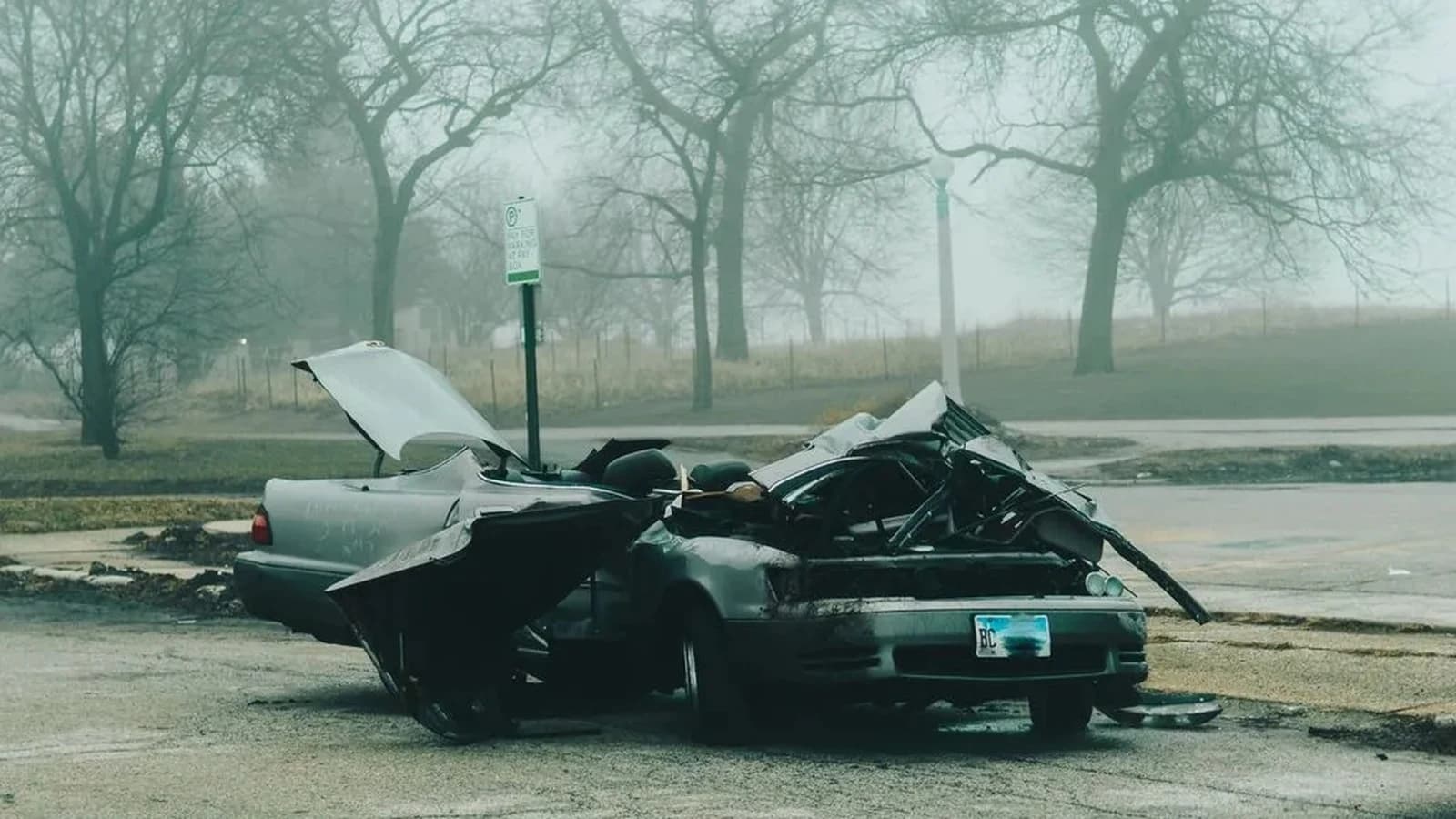
A side impact transfers force directly into the occupant. The vehicle's crumple structure is at the front and rear; there is far less metal between a striking bumper and a driver's torso or pelvis. Common injuries in our intersection files include pelvic and rib fractures, splenic and liver lacerations, traumatic brain injury from head-to-window contact, and shoulder impingement from the seatbelt. Side-curtain airbag deployment is a useful proxy for severity. Cases involving documented organ injury or TBI almost always exceed the at-fault driver's basic policy and require us to work through every umbrella, household, and commercial layer available.
Comparative fault and the 'both drivers had a green' problem
When two drivers each insist they had the green, the case becomes an evidence fight: signal logs, independent witnesses, business camera footage, and (increasingly) data pulled from the vehicles' event-data recorders. Texas's modified comparative-fault rule with a 51% bar means even a partial assignment of fault to the injured driver reduces the recovery proportionally, so we treat the liability investigation as if a jury will see it, not just an adjuster. We have moved files from 50/50 disputed-fault postures to clean liability outcomes by getting the signal data before it was lost.



Frequently asked
Questions Texas accident victims ask us
- Signal-controller logs from the operating municipality usually resolve it. Most modern intersection controllers timestamp every phase change, so the log will show which direction had the green, which had a protected left arrow, and exactly when each phase changed relative to the time of impact in the crash report. The problem is retention: many agencies overwrite logs within 30 days. The earlier a preservation letter goes out, the more likely the truth is recoverable.
- Not automatically, but the statute puts the duty on them. Tex. Transp. Code § 545.152 requires a left-turning driver to yield to oncoming traffic that is in the intersection or close enough to be an immediate hazard. If oncoming traffic had the right of way and the left-turner crossed into their path, the left-turner is normally negligent. The defense is usually that the oncoming car was speeding so excessively that it was not a 'reasonably anticipated' hazard, a hard argument to win without independent evidence.
- Citations are admissible only in limited ways and a guilty plea or no-contest plea on a traffic ticket is not the same as an admission of civil liability. We have handled cases where both drivers were cited and the underlying civil fault picture turned out to be very different from what the officer wrote. The crash report is a starting point, not the answer.
- Yes, but the proof is straightforward. Failure to stop at a stop sign is a violation of Tex. Transp. Code § 545.151, and the violation itself is evidence of negligence. The harder question is usually damages, not liability; once the rolling-stop pattern is established with witnesses or video, the conversation moves quickly to medical valuation.
- No. Side-curtain and side-torso airbags deploy based on lateral acceleration thresholds that are tuned for the vehicle's design; they often do not fire in oblique angle impacts even when occupant injury is significant. We have settled serious side-impact cases where no airbag deployed. The medical record drives the value, not the airbag readout.
- Sometimes. Austin and several other Texas cities operate traffic-management cameras for congestion monitoring, and most of those do not retain recordings; they are live-feed only. Signal-controller logs are usually the more reliable source. Adjacent private cameras (gas stations, drive-throughs, ATMs) are often the most useful footage we recover, and they almost always require a preservation letter within the first 30 days.
- That changes the case significantly. If the driver was in the course and scope of employment, the employer is liable under the doctrine of respondeat superior, and the employer's commercial auto policy applies, usually with limits well above any personal policy. We work the employment angle hard whenever a vehicle has commercial markings, a magnetic logo, or a driver who admits to running an errand for work.
- Within the first two to three weeks if possible. Signal-controller logs, business camera footage, and any nearby ATM or doorbell footage all start being overwritten on rolling schedules that are sometimes as short as a week. The crash report alone is not enough when the other driver disputes the light; the documentary evidence has to be pulled before it disappears.
Let's talk about your case.
Free case review, no obligation. We'll tell you straight whether we can help.