
Truck accidents · Subcategory
Oilfield Truck Accident Lawyer in Texas
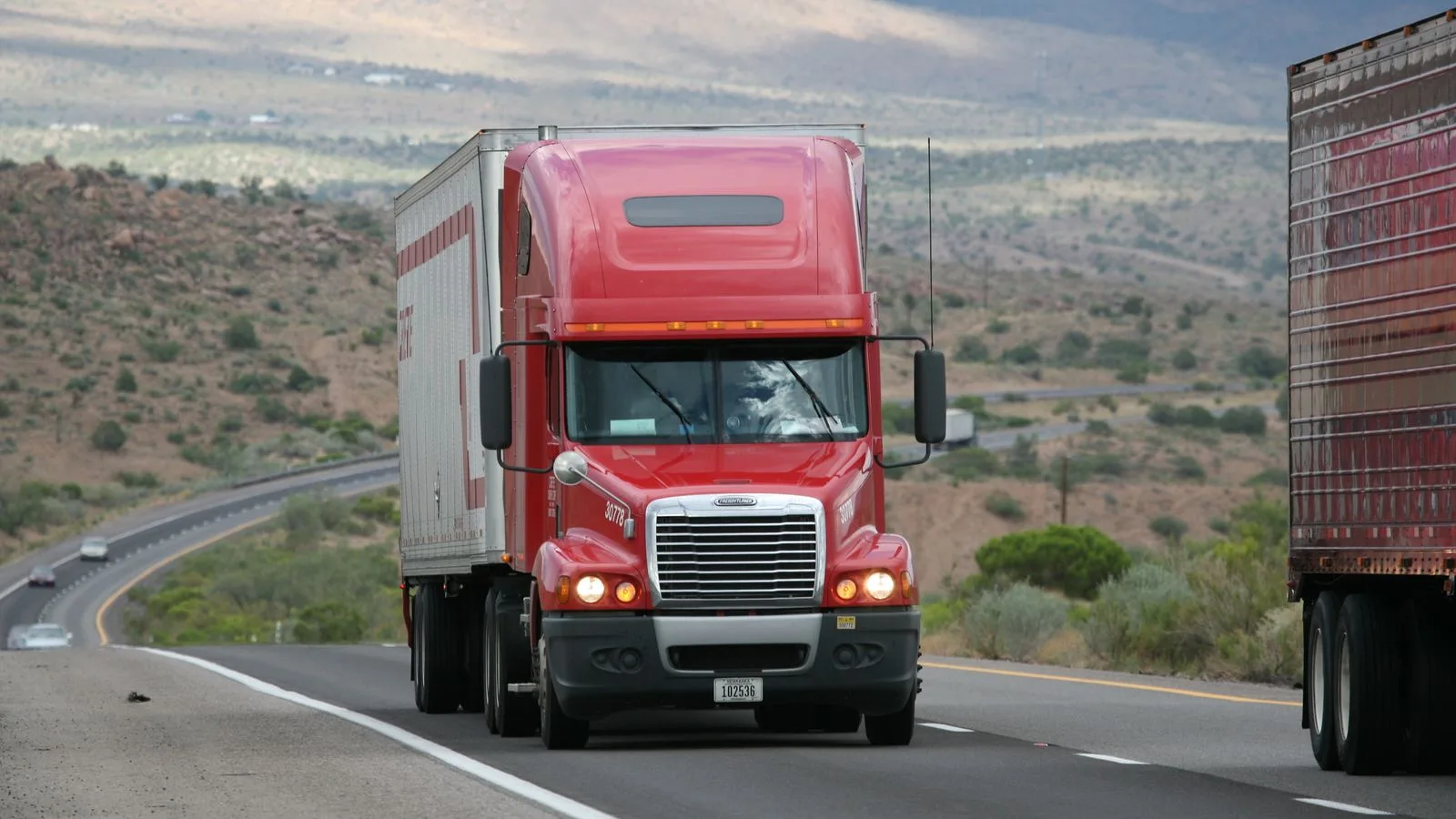
An oilfield truck case is a commercial-vehicle crash involving the equipment that moves the Texas energy industry: frac sand haulers, water-haul trucks, crude tankers, rig-up tractors, vacuum trucks, and the heavy-haul flatbeds that move pump units and frac fleets. The Permian Basin and Eagle Ford Shale generate more commercial truck miles than any comparable region in the country. The crashes follow the production curve: rural two-lane highways, long shifts, schedule pressure tied to drilling cycles, and a regulatory framework that includes federal exemptions specific to the oilfield that simply do not exist for general freight.
The oilfield FMCSA exemptions that change the analysis
FMCSA hours-of-service rules under 49 CFR Part 395 carry a specific 'oilfield operations' exception. Drivers operating commercial vehicles 'specially constructed' for oilfield service can use a 24-hour restart instead of the standard 34-hour reset, and waiting-time at a well site is excluded from the on-duty calculation under § 395.1(d). These exemptions are real and lawful, but they are narrow. They apply only to specifically-constructed oilfield vehicles, not to the general freight trucks that also move sand, water, or pipe. Carriers frequently overclaim the exemption. A driver running a standard tractor-trailer hauling frac sand from a transload is not entitled to the oilfield restart, and a hours-of-service analysis that assumes otherwise produces wrong answers.
Frac sand, water haulers, and the dominant crash patterns
Frac sand pneumatic trailers, water-haul vacuum trucks, and crude tankers run high-frequency local trips between transload yards, rail terminals, and active well sites. The roadways involved are mostly two-lane state highways and county roads built for ranching traffic: SH-285 between Pecos and Carlsbad, SH-72 across LaSalle County, FM-1788 north of Midland, US-285 through the Permian. The crashes that result share a profile: passing accidents on narrow two-lanes with limited shoulders, intersection T-bones at unimproved oilfield entrances, rollovers on caliche lease roads, and rear-ends in the queues at sand and water-disposal sites.
The 'oilfield exemption' meets serious-injury cases
Carriers and their counsel routinely raise the oilfield HOS exemption as a defense to fatigue allegations in West Texas crash cases. The exemption is a regulation-compliance defense; it is not a defense to common-law negligence. A driver who completed a 22-hour shift under a lawful oilfield exemption is still subject to Texas's general rule that no driver should operate a commercial vehicle while too fatigued to do so safely. The exemption permits the schedule; it does not permit unsafe driving the schedule produces. Texas courts have not given oilfield carriers a free pass on fatigue cases, and recent jury verdicts confirm the distinction.
Multiple defendants in the oilfield production chain
An oilfield truck crash often involves three or four corporate layers: the truck operator's company (often a small or mid-size carrier), the upstream service company that contracted for the haul (a frac company, a midstream operator, a water-management company), the operating producer that owns the well, and the lease-road owner. Texas has tightened master-service-agreement indemnity scope for certain oilfield operations under the Texas Oilfield Anti-Indemnity Act (Tex. Civ. Prac. & Rem. Code §§ 127.001-127.008), but the act has specific limits and carve-outs. Identifying every corporate layer with policies in play is half the recovery work.






Frequently asked
Questions Texas accident victims ask us
- FMCSA's oilfield operations exception under 49 CFR § 395.1(d) allows drivers of vehicles 'specially constructed' for oilfield service to use a 24-hour restart instead of the standard 34-hour reset, and to exclude well-site waiting time from on-duty calculation. It is narrow: it applies to specifically-constructed oilfield equipment, not to general-purpose trucks that happen to be hauling oilfield freight. The exception is often overclaimed by carriers in litigation, and the truck's specifications, registration, and use history are the central proof points.
- No. The exemption is a regulatory-compliance shield, not a common-law negligence shield. A driver who lawfully operated under the oilfield restart is still required to drive safely, including not operating while too fatigued to do so. Texas tort law allows a jury to find a driver negligent for fatigued driving regardless of whether the underlying hours were technically within the federal exemption. The exemption usually slows down the regulatory-violation theory, not the negligence theory.
- The Permian Basin (Midland-Odessa, Pecos, and the surrounding counties stretching into southeast New Mexico) and the Eagle Ford Shale (south Texas, from Karnes through Webb and LaSalle counties) generate the most oilfield truck miles in the country. High-frequency routes include SH-285 from the Permian into New Mexico, SH-72 across LaSalle and McMullen counties, US-83 north of Laredo, FM-1788 north of Midland, and the I-20 corridor across West Texas. Routes through the Granite Wash and the Anadarko-related Texas Panhandle counties also see substantial oilfield traffic.
- The operating motor carrier, the upstream service company that arranged the haul (often a frac, water-management, or midstream company), the producer operating the lease, the staffing agency if the driver was contracted, the maintenance vendor, and in some cases the entity responsible for the lease-road condition where a crash occurred on a private road. Texas oilfield contracts use master-service-agreement indemnity language that the Texas Oilfield Anti-Indemnity Act (Tex. Civ. Prac. & Rem. Code Ch. 127) constrains, but the constraint has carve-outs that defense lawyers know well.
- Mostly the same FMCSA framework applies, with the oilfield-specific exceptions noted. Frac sand trailers (pneumatic trailers, also called dry-bulk tank trailers) carry special considerations: weight management is critical because sand loads regularly approach the 80,000-pound limit, and uneven discharge during unloading at the wellsite can create rollover risk during return trips. Texas Department of Public Safety enforces overweight rules under Texas Transportation Code Chapter 621.
- Wellsite check-in and check-out logs (often kept by the producer or service company), dispatch schedules from the upstream service company, load-out tickets from sand transloads and water disposal sites, lease-road traffic logs where the producer maintains them, master-service-agreement documents between the carrier and the upstream company, and any safety-incident reports filed under the producer's contractor-management system. These records are not held by the trucking carrier and require subpoenas to third parties that are sometimes resistant.
- Generally similar at the individual-injury level, but the multi-defendant structure often produces more total available coverage. A serious-injury case against a small West Texas carrier with a $1M FMCSA-minimum policy may look limited until the upstream service company's general liability and additional-insured endorsements are identified. Texas joint-and-several rules under Tex. Civ. Prac. & Rem. Code § 33.013 then become important. The honest answer on case value depends on coverage stacking, not on the oilfield label.
- Two years from the date of the crash under Tex. Civ. Prac. & Rem. Code § 16.003, the same as any other Texas personal-injury case. The practical deadline is much earlier because oilfield trucks are repaired and back in service quickly, dispatch and load-out records cycle within weeks, and the high turnover of drivers in the patch means key witnesses can become hard to locate within months. The preservation letters need to go out fast.
Let's talk about your case.
Free case review, no obligation. We'll tell you straight whether we can help.