
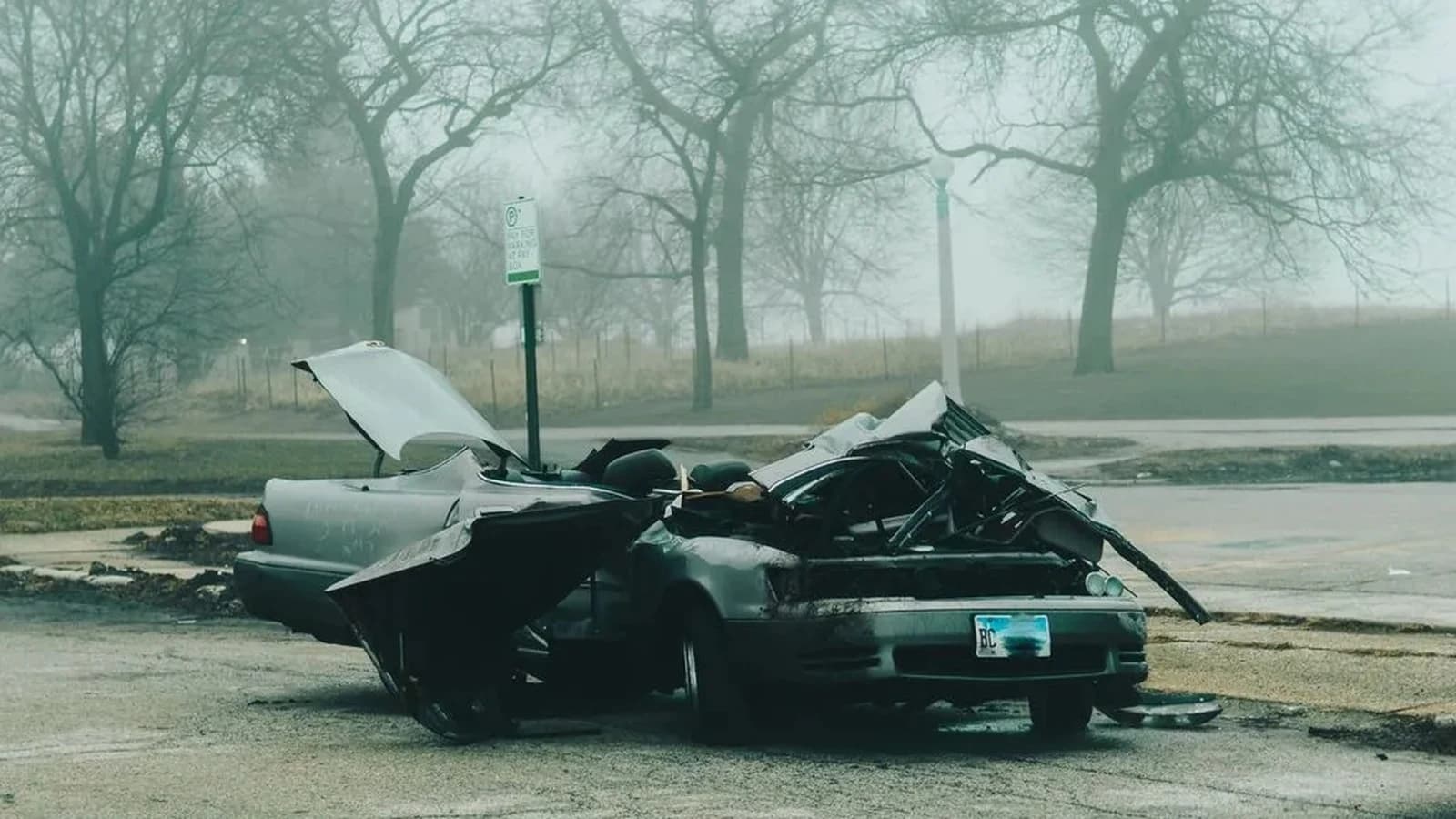
El Paso · Car Accident
El Paso Car Accident Lawyer
A car accident claim in El Paso is a personal injury action arising from a passenger-vehicle collision governed by Texas fault law: you can recover if you are 50 percent or less at fault, and your recovery is reduced by whatever percentage a jury assigns to you. El Paso's geography shapes these cases: I-10 running from the New Mexico line through the Franklin Mountains toward Hudspeth County, US-54 carrying the Fort Bliss commute, and the high-speed interchanges on Loop 375 each produce collision patterns that differ from the rest of West Texas. The two-year statute of limitations under Tex. Civ. Prac. & Rem. Code § 16.003 applies statewide, and El Paso County district court handles injury suits above the justice-court threshold.
Why El Paso cases are different
El Paso car crashes don't read like the rest of West Texas. The I-10 spine, the transmountain weather corridor through the Franklin Mountains, and the US-54 Fort Bliss commute each generate their own collision patterns, and every El Paso County injury claim still runs under Texas fault law.
Where El Paso collisions cluster
I-10 carries the bulk of serious El Paso wrecks, running from the New Mexico line on the west side through downtown toward Hudspeth County. The transmountain stretch through the Franklin Mountains produces a crash type you won't find in Midland or Lubbock files: black ice, fog, and gusting crosswinds that trigger single-vehicle spins and chain reactions. US-54 north toward Fort Bliss and the Northeast is a heavy left-turn and merge corridor, and Loop 375 — Border Highway on the south, Transmountain Road on the north — throws high-speed sideswipes where it meets I-10. The Mesa Street and downtown arterials near UTEP mix vehicle traffic with pedestrians and cyclists. Each corridor demands a different liability theory, and we build the file around the road the crash actually happened on rather than a generic template.
Proportionate responsibility and your own coverage
Texas applies modified comparative fault under Chapter 33: if you are found more than 50 percent at fault, you recover nothing, and any percentage assigned to you reduces what you collect. Insurers know this and routinely push fault onto El Paso drivers, especially in weather-driven multi-car pileups where everyone's account differs. We counter with TxDOT records, scene physics, and witness statements rather than letting the adjuster narrate. Because Texas drivers carry only minimum liability limits and uninsured motorists are common, your own uninsured/underinsured motorist coverage frequently becomes the real source of recovery after a serious El Paso crash. We check every available policy — yours, the at-fault driver's, and any resident or family-member coverage that might stack — before deciding how to position the claim.
More in El Paso
Other ways we help El Paso injury victims.




Frequently asked
El Paso car accident questions
- Yes. Texas drivers are required to adjust speed and following distance for conditions, including the dust storms common near El Paso in spring. Reduced visibility doesn't excuse a rear-end or a failure to slow with traffic. We pull TxDOT weather and dust-advisory records for the date and corridor to show the conditions were foreseeable and the other driver failed to drive for them.
- Texas minimum limits are low, and serious El Paso injuries often exceed them. That's where your uninsured/underinsured motorist coverage matters: it pays when the at-fault driver can't. We review your own policy at intake, identify any UM/UIM available to you, and handle the claim against your insurer, which behaves like an adverse party even though you pay its premiums.
- Generally two years from the crash date under Tex. Civ. Prac. & Rem. Code § 16.003, applied statewide. El Paso County imposes no separate deadline. Claims involving minors or governmental entities follow different rules: government claims require pre-suit notice within months. Evidence preservation should start far earlier, because video and vehicle data disappear quickly.
- Multi-vehicle chain reactions on the transmountain corridor or Loop 375 create a proportionate-fault dispute across several parties. Texas allows each party's share of fault to be assessed, and you can recover from any combination of at-fault drivers as long as your own share stays at or below 50 percent. We map the crash sequence with scene data and TxDOT records to establish who caused the initial impact.
- Often yes. Your own policy's uninsured motorist coverage can be triggered when the at-fault driver carries no insurance or flees. We identify every available UM/UIM policy layer, including family or household policies that may extend to you, and handle the claim directly with your insurer, who must treat it under the same good-faith standards as any other Texas insurance claim.
- University Medical Center of El Paso is the region's Level I trauma center and the primary destination for the most severe injuries. Las Palmas Medical Center, Del Sol Medical Center, and the Hospitals of Providence network — Memorial, East, Sierra, and Transmountain campuses — handle a large share of major and moderate emergency intake. We pull complete records from every facility involved to build the full medical chronology.
Where we work from
Downtown Austin. El Paso clients welcome.
Our office is in downtown Austin; we represent El Paso-area clients statewide and travel to El Paso for case-specific needs (scene visits, medical-records consultations, court appearances). Home and hospital visits when injuries make travel difficult.
Talk to a El Paso car accident lawyer.
Free case review, no obligation. We'll tell you straight whether we can help.