
Bastrop · Truck Accident
Bastrop Truck Accident Lawyer
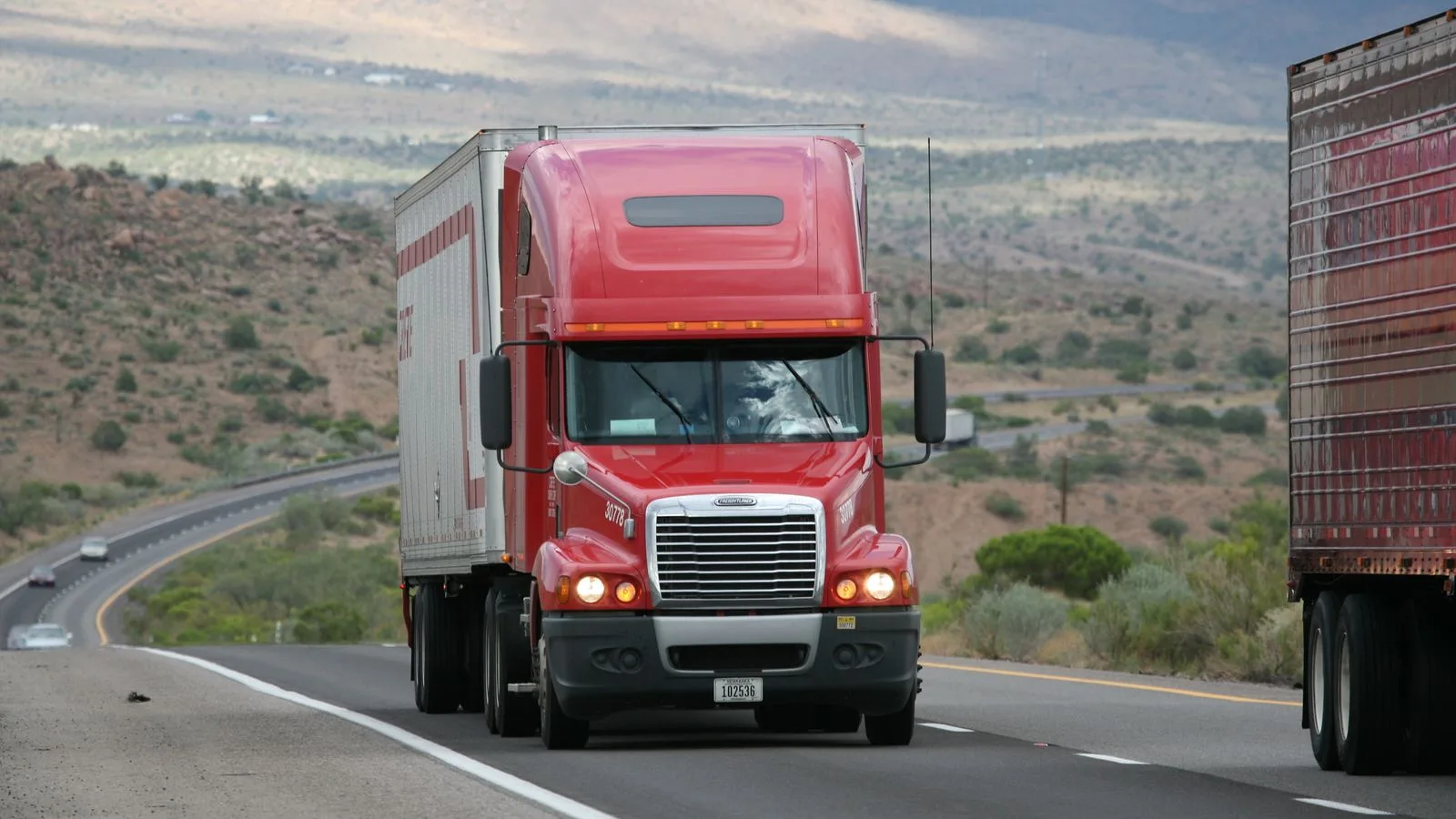
A truck-accident claim in Bastrop County arises when a commercial motor carrier's vehicle, typically an 18-wheeler operating on the SH-71 freight corridor east of Bastrop or a contractor hauler on the Pine Forest county roads, causes a crash governed by a layered set of federal and state rules. The Federal Motor Carrier Safety Regulations impose specific duties on the carrier and driver, and violations of those rules support negligence claims in the Bastrop County district courts beyond ordinary negligence principles. Because an 80,000-pound tractor-trailer striking a passenger vehicle on a narrow two-lane road transfers far more force than any car-to-car collision, the injury profile and the policy limits at stake are in a different category from standard car-crash cases.
Why Bastrop cases are different
SH-71 east of Bastrop toward the Houston area carries a meaningful share of regional commercial truck traffic, and the two-lane segments turn those crashes into high-energy events. Truck wrecks on that corridor demand fast evidence preservation and bring federal safety rules and far larger commercial policies into play.
Why the two-lane SH-71 freight corridor produces severe truck crashes
East of Bastrop, SH-71 narrows from the divided four-lane near Austin to a two-lane configuration carrying through-freight toward Houston-area destinations. That combination of highway speeds, limited maneuvering room, and no median is what makes truck-involved crashes on this stretch a recurring source of serious-injury intake. The ongoing wildfire-rebuild and new construction along the Pine Forest corridor has also added contractor and commercial-vehicle traffic to the surrounding county roads, and dump trucks and material haulers on FM roads with limited shoulders create their own crash pattern. A loaded commercial truck striking a passenger vehicle on a two-lane alignment transfers enormous force, which is why these files so often involve spinal, orthopedic, and closed-head injuries that route through the local trauma-transport chain to central Austin.
FMCSA rules, employer liability, and the short evidence window
Commercial trucking is governed by the Federal Motor Carrier Safety Regulations, and proving a violation opens negligence-per-se theories under Texas law. The records that matter, including hours-of-service logs, electronic logging device data, vehicle inspection and maintenance files, and driver medical certification, are controlled by the carrier and subject to short retention windows. Federal hours-of-service records are only required to be kept for six months, so a preservation letter sent within days of a Bastrop crash is essential. The motor carrier is typically liable for its driver's on-duty negligence, and the commercial auto policy usually carries limits an order of magnitude above a personal Texas policy. Trucking defense teams move quickly to the scene, so plaintiff-side preservation of the SH-71 evidence and the carrier's records has to be just as fast.
More in Bastrop
Other ways we help Bastrop injury victims.






Frequently asked
Bastrop truck accident questions
- The two-lane configuration east of town means highway speeds with little room to maneuver, so collisions are high-energy. Federal Motor Carrier Safety Regulations apply, the carrier's commercial policy is far larger than a personal one, and the trucking company's defense team responds fast. That combination changes both the legal theories available and the urgency of preserving evidence.
- Hours-of-service logs, electronic logging device data, inspection and maintenance records, and driver medical certification all matter. The catch is timing: federal hours-of-service records only have to be retained for six months. A preservation letter should go out within days so the carrier cannot let critical data age out before your case develops.
- Usually yes. Under Texas law a motor carrier is generally responsible for its driver's negligence committed on the job, and the company may also be directly liable for hiring, training, or maintenance failures. That matters in practice because the carrier's commercial policy typically carries much higher limits than the driver's personal coverage on a Texas road.
- It depends on the vehicle's weight and whether it crosses state lines or hauls regulated cargo, but many contractor dump trucks and material haulers operating on the Pine Forest and county-road network meet the federal threshold. Even when full FMCSA rules do not apply, a commercial hauler still owes heightened duties under Texas law, and the company's commercial auto policy is the primary coverage target.
- Not without counsel. The carrier's rapid-response team contacts claimants quickly specifically to limit their exposure, and statements made in those early conversations can be used to minimize the claim. Politely decline to give a recorded statement and have an attorney review the situation before any communication with the carrier's representatives.
- Venue under Tex. Civ. Prac. & Rem. Code § 15.002 is proper in Bastrop County because that is where the crash occurred. The case is heard by the 21st or 335th civil district court in the historic courthouse in downtown Bastrop. Bastrop County's smaller civil docket means different timing and trial-setting dynamics than a Travis or Travis-adjacent county case, which is worth factoring into litigation strategy.
Where we work from
Downtown Austin. Bastrop clients welcome.
Our office is in downtown Austin; we represent Bastrop-area clients statewide and travel to Bastrop for case-specific needs (scene visits, medical-records consultations, court appearances). Home and hospital visits when injuries make travel difficult.
Talk to a Bastrop truck accident lawyer.
Free case review, no obligation. We'll tell you straight whether we can help.