
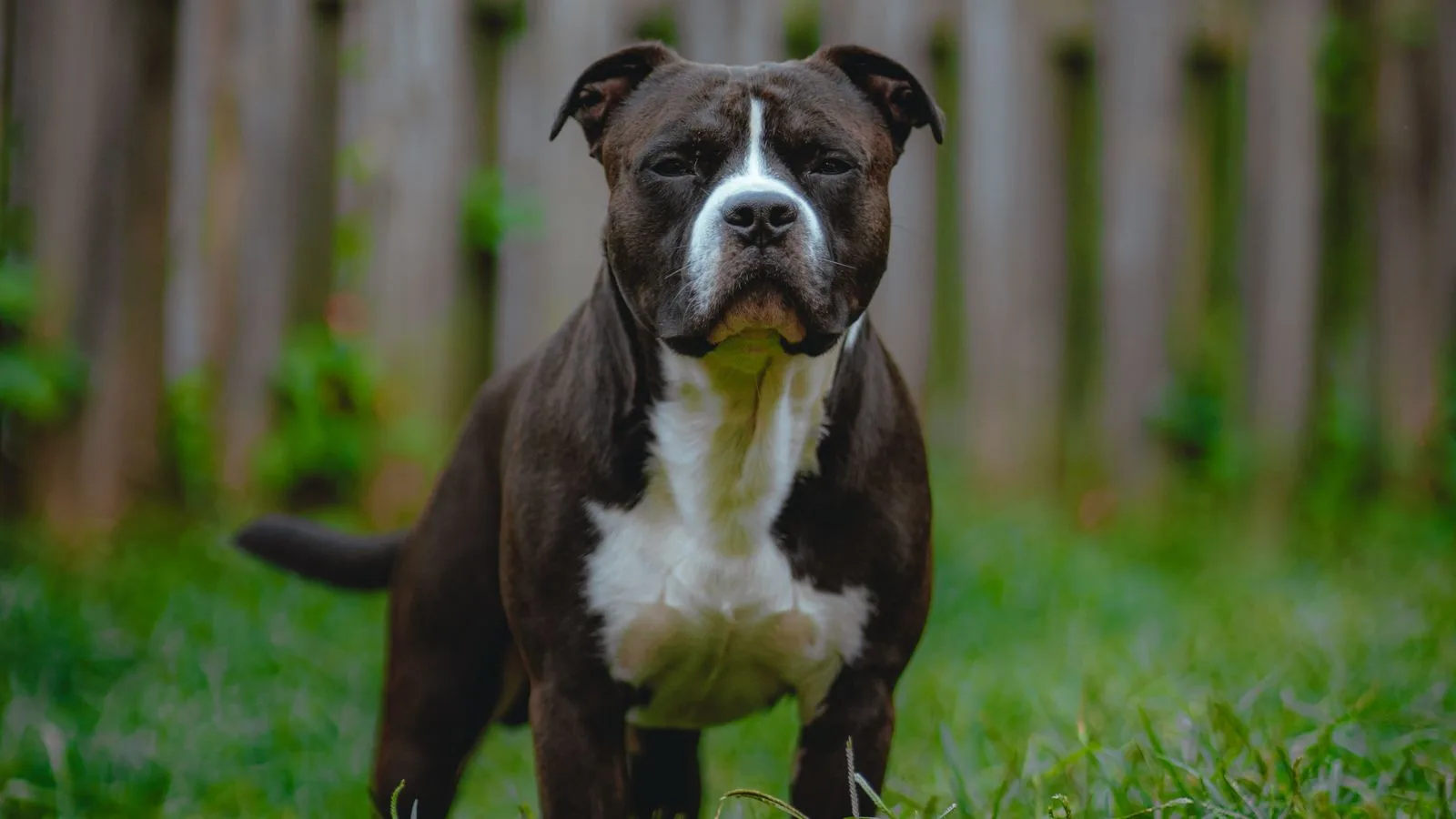
Bryan · Dog Bite
Bryan Dog Bite Lawyer
A dog bite and animal attack claim in Bryan is brought when a dog owner's failure to restrain or control an animal with known dangerous propensities causes injury to a person: at a Bryan residence, on one of the city's denser residential streets, or at an apartment complex. Under the Texas one-bite rule from Marshall v. Ranne, an owner is strictly liable if they knew or had reason to know the dog was dangerous; claims can also proceed on negligence where the owner violated a local leash or restraint ordinance or simply failed to confine a dog properly. The two-year limitations period under Tex. Civ. Prac. & Rem. Code § 16.003 applies but is tolled until age 18 for child victims, and serious bite injuries in Bryan route to CHI St. Joseph Regional on East 29th Street.
Why Bryan cases are different
A dog attack in a Bryan residential neighborhood or along the city's denser street grid is governed by Texas owner-liability rules, and serious claims are filed in the Brazos County district courts downtown while the recovery usually runs against the owner's homeowner or renter insurance.
How Texas holds a dog owner liable
Texas does not have a pure strict-liability dog statute. Instead a bite case usually proceeds on one of two theories: the long-standing one-bite rule, under which an owner is liable if they knew or had reason to know the dog was dangerous, and ordinary negligence, where the owner failed to use reasonable care: an unleashed dog in a Bryan neighborhood, a gate left open on the residential grid, or a violation of a local leash or restraint ordinance. Prior aggression, prior complaints, breed history, and how the dog was confined all feed the knowledge question. Bryan's denser residential streets put more foot and bicycle traffic past front yards than a sprawling subdivision would, which raises the exposure. We work the owner's knowledge early through neighbor accounts, any animal-control history, and the conditions at the property at the time of the attack.
Severe and facial injuries, and where the coverage sits
Dog attacks produce a distinct injury profile: deep puncture wounds, crushing and tearing damage, and facial injuries that often need plastic-surgical repair and leave permanent scarring, with children at the highest risk because of their height relative to a dog. Infection risk and the need for revision surgery make these cases more than the initial ER visit suggests, and the most serious wounds in Bryan route to CHI St. Joseph Regional on East 29th Street. On the recovery side, the owner's homeowner or renter insurance is typically the source that responds to a bite claim, and those policies carry meaningful liability limits. We identify the applicable policy, document the wound progression and any scarring with an eye to future surgical needs, and account for a child's long-term care rather than letting the claim close on the first treatment.




Frequently asked
Bryan dog bite questions
- No. Texas has no pure strict-liability dog statute. A claim usually rests on the one-bite rule, where the owner knew or had reason to know the dog was dangerous, or on negligence, such as letting a dog run unleashed or violating a local restraint ordinance. We develop the owner's knowledge through neighbor accounts, any animal-control history, and how the dog was confined.
- Most often the dog owner's homeowner or renter insurance, which generally includes liability coverage for injuries the household causes. We identify the applicable policy early. The dog owner is the responsible party, but the insurance is usually where the recovery comes from, which is why locating and reading that coverage is one of the first steps in the case.
- Children are bitten in the face most often because of their height, and those wounds frequently need plastic-surgical repair with permanent scarring. A claim should account for future revision surgery, the lasting cosmetic effect, and a child's long-term needs, not just the first ER visit. We document the wound progression and scarring with future care in view before any demand.
- Possibly. A landlord or apartment complex that had actual knowledge of a tenant's dangerous dog and had the legal ability to require its removal or eviction, but failed to act, can face liability alongside the dog owner. We investigate the complex's management records and any prior complaints or notices about the animal at intake to determine whether the landlord's commercial general liability policy is in play.
- The standard two-year limitations period under Tex. Civ. Prac. & Rem. Code § 16.003 is tolled for minor victims until they turn 18, meaning the clock does not begin running until the child reaches adulthood. Despite that tolling, we advise acting well before then: witnesses move, animal-control records are not kept indefinitely, and the owner's insurance policies can change. Preserving the record while it exists is critical.
- Not necessarily. The one-bite rule does not require a prior bite; it requires that the owner knew or had reason to know the dog was dangerous, which prior aggression, growling, lunging, or escape attempts can establish. A violation of a local leash ordinance can also support a negligence theory independent of the owner's knowledge. We look for all evidence of prior behavior, not just a recorded prior bite.
Where we work from
Downtown Austin. Bryan clients welcome.
Our office is in downtown Austin; we represent Bryan-area clients statewide and travel to Bryan for case-specific needs (scene visits, medical-records consultations, court appearances). Home and hospital visits when injuries make travel difficult.
Talk to a Bryan dog bite lawyer.
Free case review, no obligation. We'll tell you straight whether we can help.