
Bryan · Truck Accident
Bryan Truck Accident Lawyer
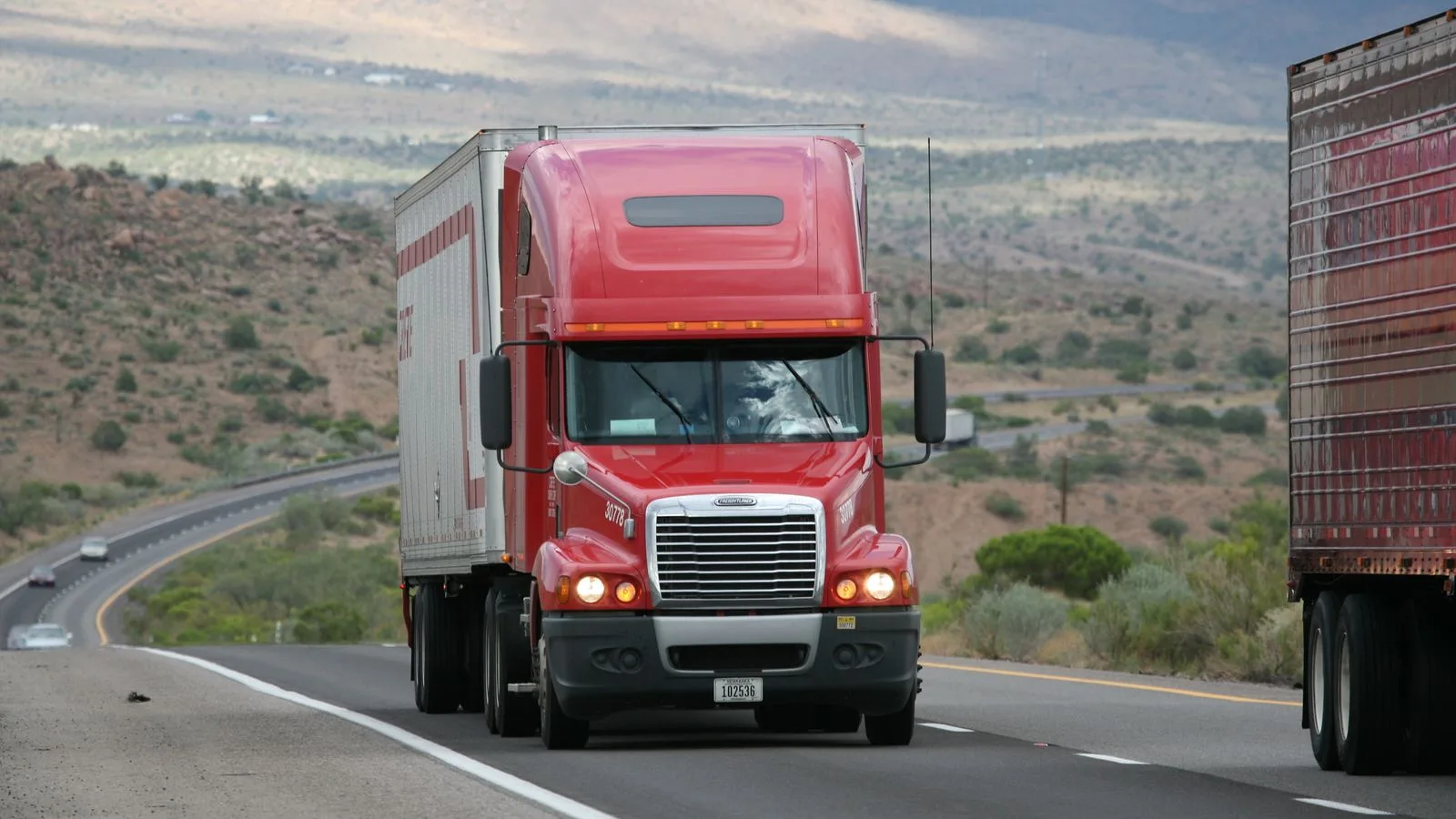
A commercial truck accident claim in Bryan involves a crash with an 18-wheeler, tractor-trailer, or other commercial motor carrier operating under the Federal Motor Carrier Safety Regulations; the same freight corridors that run along SH-6 and the FM-21 rural highway north of Bryan carry this traffic daily. Unlike a two-car collision, a Bryan truck case opens up FMCSA driver-qualification files, electronic logging device data, hours-of-service records, and post-crash testing, and under Texas's two-year statute the clock to preserve that evidence is measured in days, not years. Both the driver and the motor carrier face liability — respondeat superior pulls the company in alongside the driver — and the commercial auto policies and umbrella layers involved typically far exceed a personal policy minimum.
Why Bryan cases are different
Bryan's cotton-trade and agricultural history keeps a heavier mix of commercial vehicles on the road than its twin city to the south: farm-equipment transports on the FM corridors, grain and distribution traffic on SH-6, and oilfield-services equipment moving toward the Eagle Ford and Permian basins. Those cases open records a two-car crash never touches.
Why a Bryan truck case is built differently
When an 18-wheeler or commercial vehicle is involved, federal motor-carrier rules govern the file in a way ordinary auto cases do not. FMCSA driver-qualification records, electronic logging device data, hours-of-service compliance, and post-crash drug-and-alcohol testing all become discoverable, and each can show whether a fatigued or unqualified driver was behind the wheel. The distribution-and-logistics flow along SH-6 between Houston and Waco runs through Bryan constantly, and the carriers operating it keep telematics and dashcam systems that overwrite on short cycles. We send preservation letters in the first days of a case for the ELD logs, telematics, dashcam, and driver-qualification file, and to TxDOT for any traffic-camera footage at the SH-6 interchanges, so the record exists before it disappears. Without that early step, the most useful evidence in the case is gone before anyone asks for it.
Employer liability, commercial limits, and farm-equipment files
When a truck is operated in furtherance of a carrier's business, the claim tenders against the company's commercial auto policy and any umbrella layer rather than the driver's personal coverage, policies that typically carry limits well above a Texas personal minimum. Bryan adds a wrinkle the BCS demographic profile would not predict: farm-equipment hauling. Combine and tractor transports on lowboy trailers move through the FM-21, FM-1179, and FM-974 corridors during planting and harvest, and wide-load permits, slow-moving-vehicle signage, and pilot-car escort rules all apply. When one of those compliance points fails, the matter looks less like a farmer on the road and more like a commercial-vehicle file, putting agricultural-operation insurance and any commercial umbrella in play. If the carrier is headquartered out of state, federal diversity removal to the Western District of Texas is on the table, and we plan for that pace from the start.



Frequently asked
Bryan truck accident questions
- Commercial carriers must keep FMCSA driver-qualification files, electronic logging device data, hours-of-service logs, and post-crash testing, and most trucks carry telematics and dashcam systems. None of that exists in a two-passenger-car crash. We request and preserve it early, because the electronic data on SH-6 freight routes overwrites on short cycles unless a preservation letter goes out first.
- It is a recurring Brazos County fact pattern. Combine and tractor hauling on lowboy trailers moves through the rural FM corridors during planting and harvest, governed by wide-load permits, slow-moving-vehicle signage, and pilot-car escort rules. When any of those fail, the case looks more commercial than a farmer-on-the-road incident, with agricultural-operation insurance and any commercial umbrella in play.
- Usually yes. When the truck was operated in furtherance of the carrier's business, the claim runs against the company's commercial auto policy and often an umbrella layer above it. Those limits typically sit well above a Texas personal-policy minimum. We tender against the commercial coverage rather than the driver's personal policy where the facts support it.
- Immediately. ELD data, dashcam footage, and telematics logs on commercial carriers overwrite on short cycles, sometimes within 30 days. A preservation letter must go out in the first days of the case. The two-year deadline under Tex. Civ. Prac. & Rem. Code § 16.003 may seem comfortable, but the evidence window is not. Delay is the single biggest mistake in truck cases.
- Under federal motor-carrier regulations, a carrier whose operating authority governs the truck remains liable even when the driver is labeled an independent contractor. The 'independent contractor' designation does not insulate the company from respondeat superior and direct negligence theories in most commercial-carrier arrangements. We analyze the lease and dispatch relationship at intake to determine who bears liability.
- Yes. Commercial truck cases with out-of-state carrier defendants can support federal diversity removal to the Western District of Texas when the parties are from different states and the amount in controversy exceeds $75,000. Federal court runs on a different pace and scheduling pattern than Brazos County district court, so we plan for that possibility from the start if the carrier is headquartered outside Texas.
Where we work from
Downtown Austin. Bryan clients welcome.
Our office is in downtown Austin; we represent Bryan-area clients statewide and travel to Bryan for case-specific needs (scene visits, medical-records consultations, court appearances). Home and hospital visits when injuries make travel difficult.
Talk to a Bryan truck accident lawyer.
Free case review, no obligation. We'll tell you straight whether we can help.