
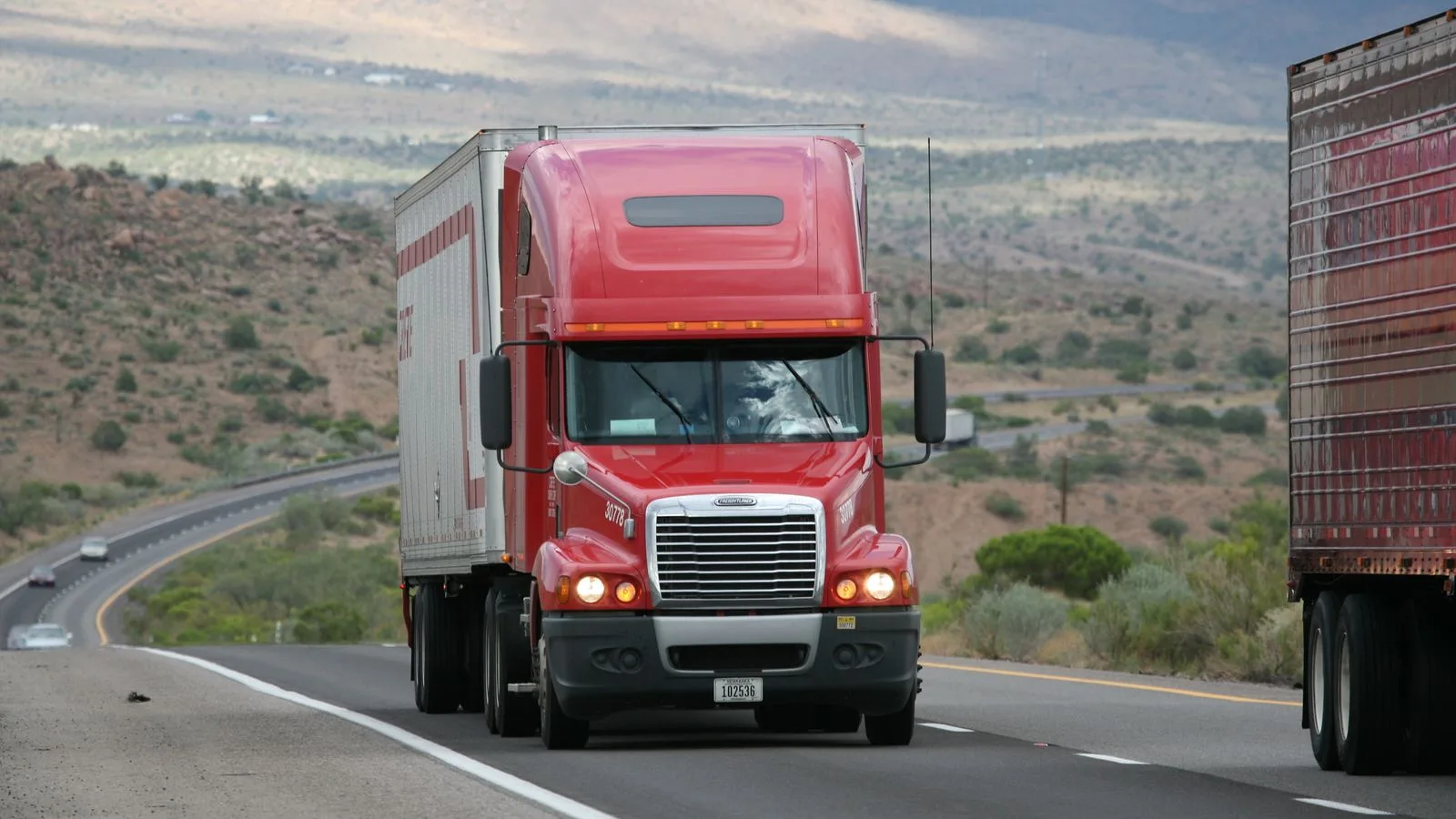
Fort Stockton · Truck Accident
Fort Stockton Truck Accident Lawyer
A commercial truck crash claim in Fort Stockton is a federally layered case involving a tractor-trailer or oilfield service truck operating under FMCSA authority on I-10 or the US-385 corridor, where the motor carrier and its regulated records, not just the driver, are the primary defendants. Texas recognizes direct claims against the carrier for negligent hiring, training, supervision, and entrustment, on top of respondeat superior liability for the driver's conduct. The two-year statute of limitations under Tex. Civ. Prac. & Rem. Code § 16.003 governs, but the practical evidence window is weeks, not years, because ELD and ECM data cycle out of the carrier's system under routine retention schedules. Cases are filed in the 83rd or 143rd District Court in Fort Stockton when venue is proper in Pecos County.
Why Fort Stockton cases are different
Fort Stockton sits at the I-10 and US-385 crossroads of the southern Permian Basin, and the freight mix here is overwhelmingly federally regulated commercial trucks, so nearly every serious case we open in Pecos County is fought on federal motor carrier records rather than eyewitness memory.
FMCSA records win the rural truck case
Because the relevant stretches of I-10 and US-385 are thinly populated, the most decisive evidence is rarely a witness and almost always the carrier's own federal documentation. That means hours-of-service logs under 49 C.F.R. Part 395, driver qualification files under Part 391, post-crash drug and alcohol testing under Part 382, pre-trip and maintenance inspection records under Part 396, and the electronic control module data off the tractor. Electronic logging device data and ECM downloads do not survive the carrier's ordinary retention cycles, so a spoliation letter has to go out within days of the crash, not months. We treat the federal record set as the spine of the case from the first week, because by the time witness statements are taken the dispositive data may already be at risk of cycling out.
Carrier liability, higher policy limits, and the early lowball
The oilfield-service spine running north and south on US-385, plus the long-haul freight on I-10, means the defendants here are usually motor carriers carrying commercial policies far larger than a personal auto policy, often with layers of excess coverage above the primary. Texas allows direct claims against the carrier itself, not just the driver, for negligent hiring, training, supervision, retention, and entrustment, and those claims survive even where the carrier concedes responsibility for its driver when gross negligence is genuinely in play. We routinely see adjusters reach out within a week of a serious crash with an early offer aimed at closing the file before the qualification and ELD records are pulled. Evaluating that offer responsibly requires first knowing what the federal records show.
More in Fort Stockton
Other ways we help Fort Stockton injury victims.





Frequently asked
Fort Stockton truck accident questions
- The full federal motor carrier set: the tractor's ECM data, the driver's ELD logs for at least the prior fourteen days, fuel and toll records, dispatch communications, post-crash drug and alcohol testing, the driver qualification file under Section 391.51, the carrier's crash and inspection history through FMCSA SAFER, and any in-cab or forward-facing camera footage. A formal spoliation letter should go out within days, because retention schedules cycle this data out within months.
- Not before anyone knows what the federal records show. We frequently see early offers extended within a week of a serious Pecos County crash, before the ELD logs and qualification file are produced. Those records often reveal hours-of-service violations or prior preventable crashes the carrier never actioned, facts that materially change what the case is worth.
- Yes. Texas recognizes direct claims against the motor carrier for negligent hiring, training, supervision, retention, and entrustment. When gross negligence is genuinely supported, those direct claims can survive even after the carrier admits its driver was acting in the course of employment, which can open access to the carrier's larger commercial and excess policies.
- Serious claims are filed in the 83rd or 143rd District Court in Fort Stockton when Pecos County is the proper venue under Tex. Civ. Prac. & Rem. Code § 15.002. Both are multi-county district courts with sparser civil dockets than metropolitan courts, which affects scheduling. For commercial carriers headquartered outside Pecos County, alternative venue locations sometimes provide tactical advantages we evaluate before filing.
- Commercial oilfield trucks operating under FMCSA authority are governed by the Federal Motor Carrier Safety Regulations, 49 C.F.R. Parts 350 through 399. The most litigated provisions are hours-of-service limits under Part 395, driver qualification requirements under Part 391, and post-crash drug and alcohol testing under Part 382. Texas DPS also enforces commercial vehicle standards under Transportation Code Chapter 644, which can produce state-level violations running alongside the federal ones.
- The mass differential between an 80,000-pound tractor-trailer and a passenger vehicle makes injuries more severe, but the bigger difference is the evidence framework. A truck crash is fought on a set of federally mandated records that expire quickly under carrier retention schedules, and the carrier itself, not just its driver, is a named defendant under direct negligence theories. The medical picture also typically starts at Pecos County Memorial Hospital and extends through air-ambulance transport and care in Lubbock or Odessa, building a larger specials base.
Where we work from
Downtown Austin. Fort Stockton clients welcome.
Our office is in downtown Austin; we represent Fort Stockton-area clients statewide and travel to Fort Stockton for case-specific needs (scene visits, medical-records consultations, court appearances). Home and hospital visits when injuries make travel difficult.
Talk to a Fort Stockton truck accident lawyer.
Free case review, no obligation. We'll tell you straight whether we can help.