
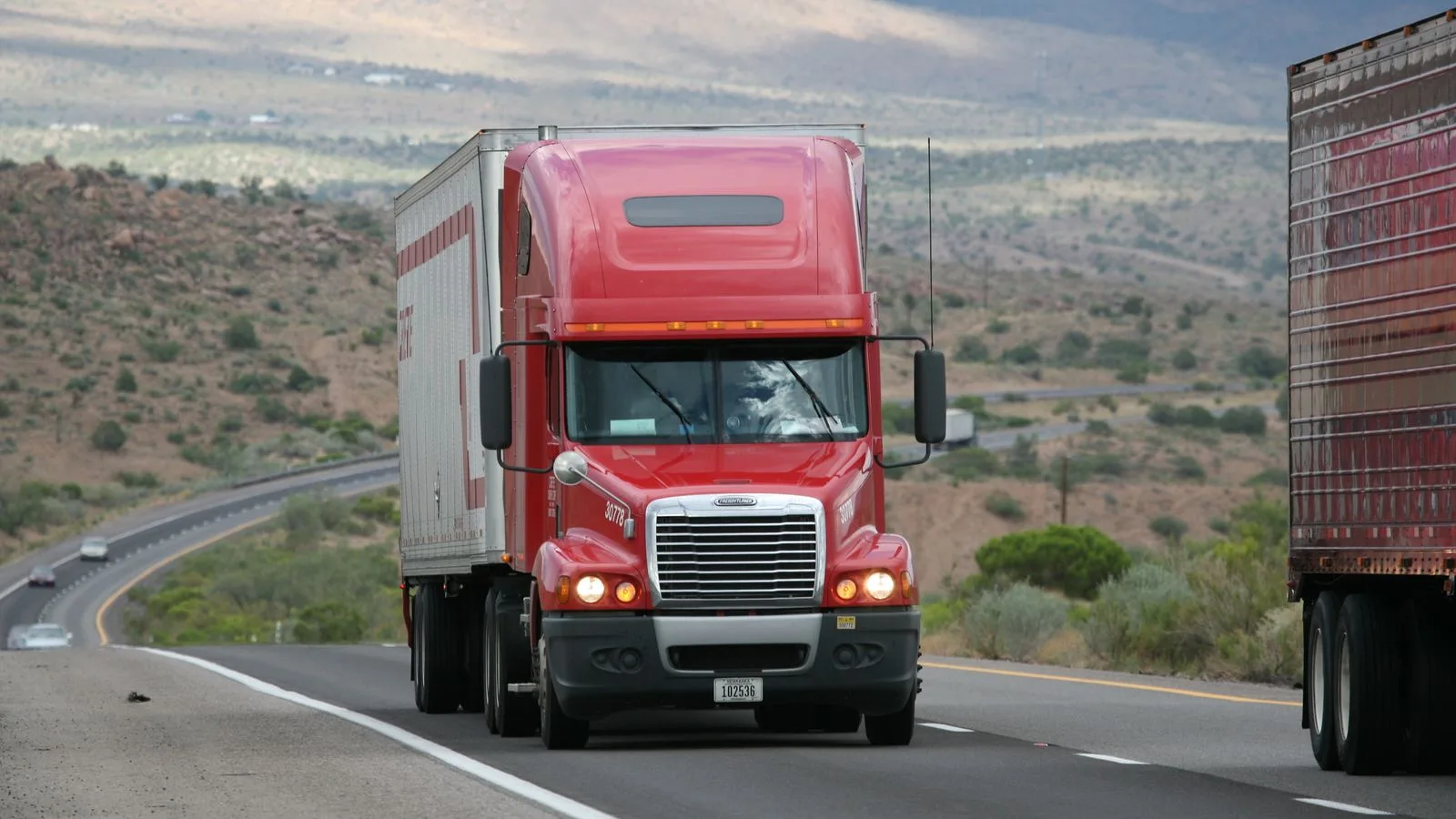
Katy · Truck Accident
Katy Truck Accident Lawyer
A commercial truck accident claim in Katy is a personal injury case governed by both Texas fault law and the Federal Motor Carrier Safety Regulations (49 C.F.R. Parts 350–399), arising when a tractor-trailer or heavy commercial vehicle causes injury on a freight corridor like I-10 or the Grand Parkway. Because I-10 through the Katy corridor is a primary Texas freight route, these crashes often involve carrier defendants whose driver-qualification files, hours-of-service logs, and ELD data are essential evidence that can overwrite within days. The motor carrier and its commercial policy, not just the driver, are the primary targets of liability, and the two-year filing deadline under Tex. Civ. Prac. & Rem. Code § 16.003 is far less urgent than the narrow window to preserve electronic records. Venue falls in Harris, Fort Bend, or Waller County depending on where along the corridor the crash occurred.
Why Katy cases are different
I-10 through Katy is a primary freight artery, and the energy-sector corporate campuses west of the Grand Parkway add corporate fleets, contractor vehicles, and delivery routes to the mix, so commercial-vehicle crashes here carry layers of liability and coverage that an ordinary passenger collision does not.
Why a Katy truck case looks nothing like a two-car crash
When an 18-wheeler or commercial vehicle is involved on I-10 or the Grand Parkway, the investigation reaches well beyond the driver. The Federal Motor Carrier Safety Administration regulations bring the carrier's driver-qualification file, hours-of-service logs, electronic logging device data, post-crash drug-and-alcohol screening, and safety history into discovery. The Katy scenario we see most often is a delivery contractor running a route for a regional logistics company who crosses lanes near the managed-lane merge or the Grand Parkway interchange. Because the vehicle was being operated in furtherance of the company's business, employer liability and the company's commercial auto policy come into play rather than the driver's personal coverage. Preservation letters for telematics, route records, and the driver-qualification file go out at intake, before that electronic data cycles out of the carrier's systems.
Commercial policy layers and where the recovery actually sits
Commercial auto policies are typically far larger than the personal-injury minimums that govern a passenger collision, and they frequently sit beneath an umbrella layer that the carrier does not advertise. In a Katy file, treating the driver's personal coverage as the ceiling is a mistake. When a fleet vehicle, executive rideshare, or contractor vehicle from one of the I-10 corridor campuses is on the clock, we open a parallel claim against the company's commercial policy and the umbrella above it. Out-of-state corporate defendants can also trigger removal to the Southern District of Texas at the Bob Casey federal courthouse, which changes the procedural posture and the timeline. We map the full coverage tower early so the demand is built against the real available limits rather than the first policy the adjuster discloses.
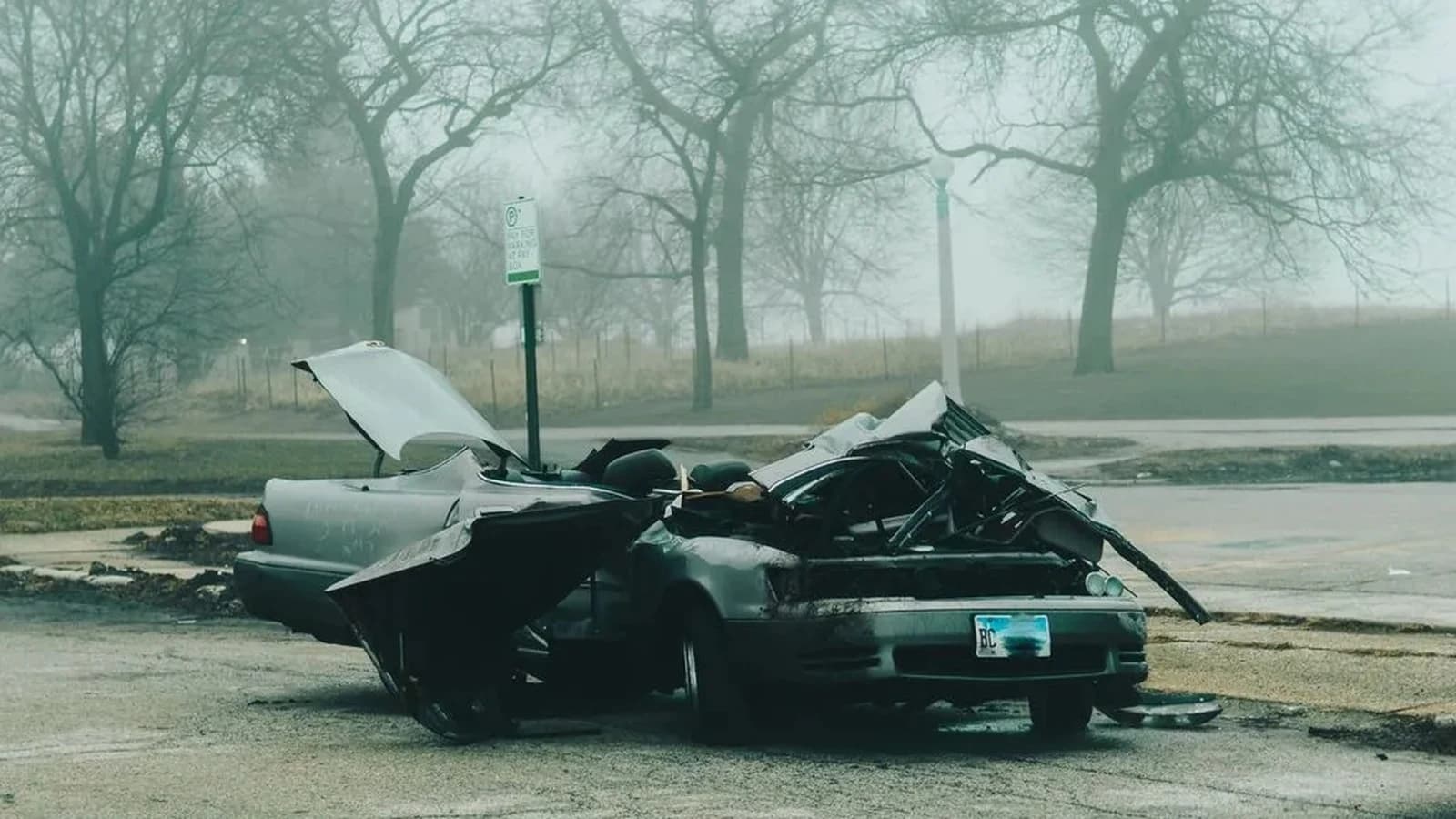





Frequently asked
Katy truck accident questions
- Electronic data. Electronic logging device records, telematics, route logs, and dash or in-cab footage can be overwritten on the carrier's own retention cycle, and TxDOT camera footage from the I-10 and Grand Parkway corridor has its own short overwrite window. We send preservation letters to the carrier and to TxDOT at intake so that data is locked before it is lost.
- Likely both, plus the right insurer. If the driver was operating in furtherance of a company's business, the employer or motor carrier can be liable for the driver's conduct, and the company's commercial policy and umbrella layer become the real source of recovery. We trace the route records and driver-qualification file to establish the employment relationship and the coverage that follows it.
- The carrier's safety obligations under the Federal Motor Carrier Safety Administration regulations generally still apply, and how a driver is labeled does not by itself end the employer-liability analysis. We look at who controlled the route, the equipment, and the schedule, and we pull the qualification and hours-of-service records to test the relationship rather than accepting the contractor label at face value.
- Federal regulations require most interstate motor carriers to maintain at least $750,000 in liability coverage, and carriers transporting certain hazardous materials are required to carry higher limits. Many large carriers operating on the I-10 Katy freight corridor carry primary policies well above that floor, plus excess and umbrella layers. We map the full coverage tower before issuing a demand so the recovery strategy targets the real available limits.
- Potentially, if the carrier's conduct shows objective extreme risk and a conscious indifference to that risk, the standard under Tex. Civ. Prac. & Rem. Code § 41.001. Common scenarios include a driver with documented hours-of-service violations, a carrier that ignored a pattern of safety complaints, or falsified log entries. Exemplary damages under § 41.003 are capped by § 41.008 but can meaningfully increase the total recovery in a qualifying case.
- The crash location relative to the county line determines where the case is filed. A crash on the Harris County segment of I-10 is venued at 201 Caroline in downtown Houston; a crash on the Fort Bend side goes to the courthouse in Richmond. We confirm the exact location from the crash report and the TxDOT mile-marker data before filing, because venue affects docket pace, jury pool, and the defense bar the carrier will retain.
Where we work from
Downtown Austin. Katy clients welcome.
Our office is in downtown Austin; we represent Katy-area clients statewide and travel to Katy for case-specific needs (scene visits, medical-records consultations, court appearances). Home and hospital visits when injuries make travel difficult.
Talk to a Katy truck accident lawyer.
Free case review, no obligation. We'll tell you straight whether we can help.