
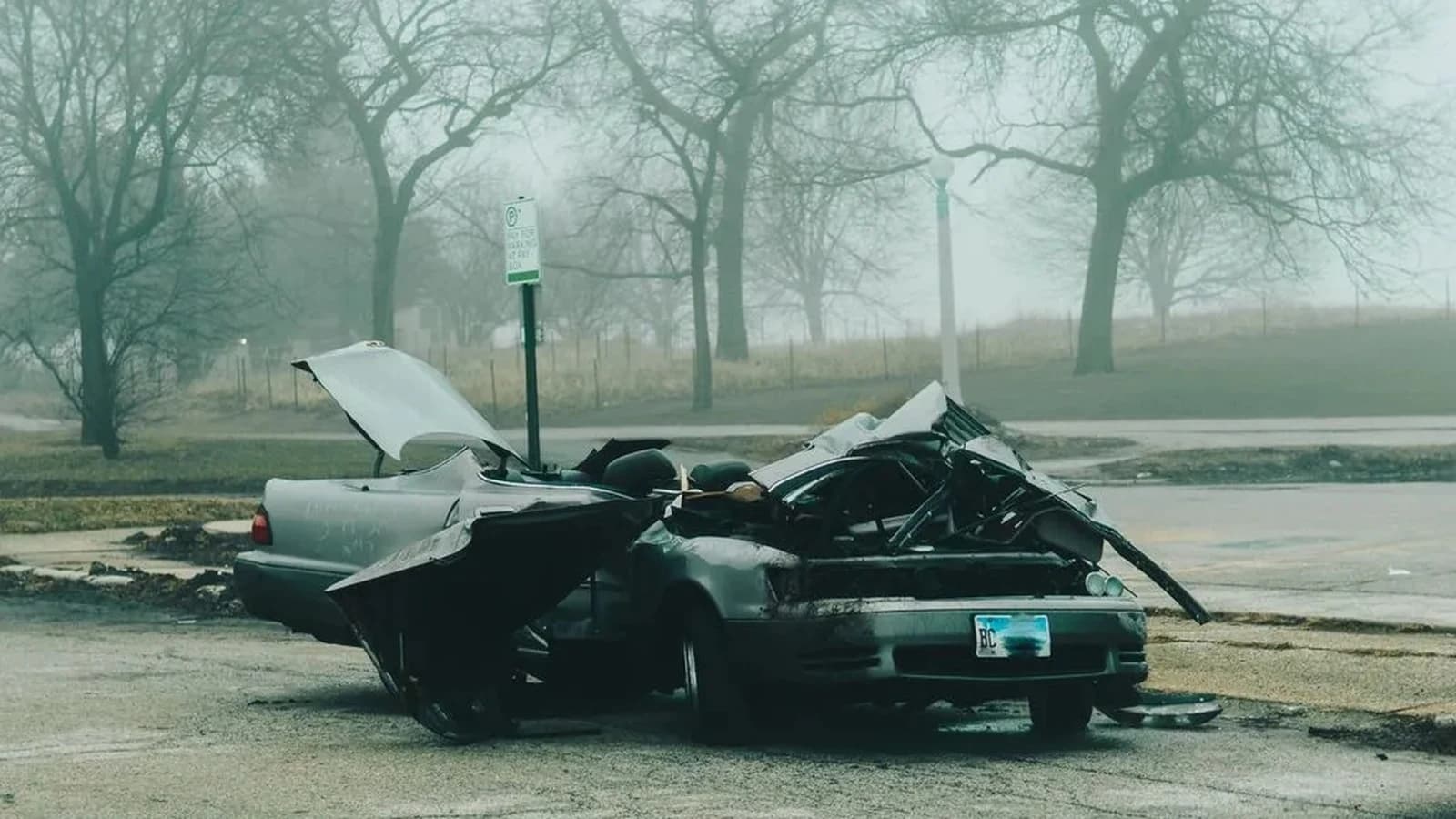
Katy · Car Accident
Katy Car Accident Lawyer
A car accident claim in Katy is a personal injury case arising from a passenger-vehicle collision on roads like I-10, the Grand Parkway (SH-99), Westheimer Parkway, or Fry Road, pursued under Texas modified comparative fault rules. Depending on where along Katy's three-county span the crash occurred, the case may be venued at 201 Caroline in Houston (Harris County), the courthouse in Richmond (Fort Bend County), or the courthouse in Hempstead (Waller County). Texas gives injured drivers two years to file under Tex. Civ. Prac. & Rem. Code § 16.003, and a driver whose share of fault stays at or below fifty percent can still recover, though the award is reduced proportionally. Because the I-10 managed-lane merges and the Grand Parkway interchange generate genuine fault disputes, early evidence gathering from TxDOT cameras on that corridor is often decisive.
Why Katy cases are different
Most Katy crash files start on the I-10 west corridor between the Grand Parkway (SH-99) and Pin Oak Road, where the Katy Freeway managed lanes feed back into general traffic and produce a recurring pattern of merge and weave collisions during morning and evening rush.
Where Katy collisions happen and why fault gets fought
The point where the Katy Freeway HOV/HOT lanes rejoin the general-purpose lanes is a chronic conflict zone, and so is the I-10 interchange with the Grand Parkway just east of Cane Island, where drivers transition between a high-speed parkway and the freeway and generate sideswipes and rear-ends. On the surface streets, Westheimer Parkway, Mason Road, Fry Road, and FM-1463 carry Cinco Ranch, Cross Creek Ranch, and Firethorne residential traffic into a small number of arterials, which stacks intersection collisions at predictable school-pickup and shift-change hours. Because so many of these are lane-change or chain-reaction events rather than clean rear-ends, the at-fault story rarely arrives complete. We reconstruct it from the crash report, scene geometry, and TxDOT camera footage from the I-10 and Grand Parkway corridor before the overwrite window closes.
Proportionate responsibility and underinsured coverage
Texas follows the proportionate-responsibility rule in Chapter 33 of the Civil Practice and Remedies Code, which bars recovery once an injured driver is found more than 50 percent at fault and reduces any award by the percentage assigned to them. On contested merges and lane changes that fill the Katy intake, the defense routinely tries to shift a slice of blame onto the injured driver, so the percentage fight is often where the real money is decided. Underinsured-motorist coverage matters here too: a fast suburban discharge from Houston Methodist West or Memorial Hermann Katy can understate an injury that surfaces later, and a minimum-limits at-fault driver may not cover it. We read the injured driver's own UM/UIM stack early so a thin liability policy is not mistaken for the ceiling on the claim.


Frequently asked
Katy car accident questions
- It depends on where the crash happened relative to the county lines. Katy straddles Harris, Fort Bend, and a thin slice of Waller County. Harris County cases are venued at 201 Caroline in downtown Houston, Fort Bend cases at the courthouse in Richmond, and the western Waller portion at the courthouse in Hempstead. We confirm the location against the county boundary on the crash report before filing, because venue affects docket pace and jury pool.
- Be cautious. Suburban Katy ERs discharge fast, and disc injuries, knee ligament tears, and concussions are routinely under-documented on the first encounter, with the real picture surfacing at orthopedic or neurology follow-up the week after. An early offer is usually anchored to that incomplete chart. We build the medical chronology on the follow-up records before valuing the claim.
- Texas gives you two years from the crash date under Section 16.003 of the Civil Practice and Remedies Code, and that runs the same regardless of which of the three counties the venue lands in. If a governmental entity is involved, a much shorter pre-suit notice deadline applies under the Tort Claims Act, sometimes as short as 90 days, so those files need attention early.
- Under Texas Chapter 33, your recovery is reduced by your assigned percentage of fault. If the jury finds you 30 percent at fault, you recover 70 percent of the total damages. You are barred from any recovery if you are found more than 50 percent at fault. On contested merge and lane-change crashes on I-10 near the Grand Parkway, insurers regularly try to pin a portion of blame on the other driver, so how fault is apportioned is often the central fight.
- Your own uninsured or underinsured motorist coverage is designed for exactly this situation. Texas does not require drivers to carry UM/UIM, so you must have purchased it, but if you did it stacks on top of the at-fault driver's limits. We review your declarations page at intake so a thin liability policy is not mistaken for the ceiling on the entire claim.
- Yes. The same Texas fault rules apply whether the crash was on I-10, the Grand Parkway, Westheimer Parkway, Mason Road, FM-1463, or any other Katy road. The county where the street sits determines venue, and the two-year filing deadline under Section 16.003 applies uniformly. Evidence from nearby retail and community surveillance along those arterials can often fill gaps the crash report leaves open.
Where we work from
Downtown Austin. Katy clients welcome.
Our office is in downtown Austin; we represent Katy-area clients statewide and travel to Katy for case-specific needs (scene visits, medical-records consultations, court appearances). Home and hospital visits when injuries make travel difficult.
Talk to a Katy car accident lawyer.
Free case review, no obligation. We'll tell you straight whether we can help.