
Car accidents · Subcategory
I-35 Accident Lawyer in Texas
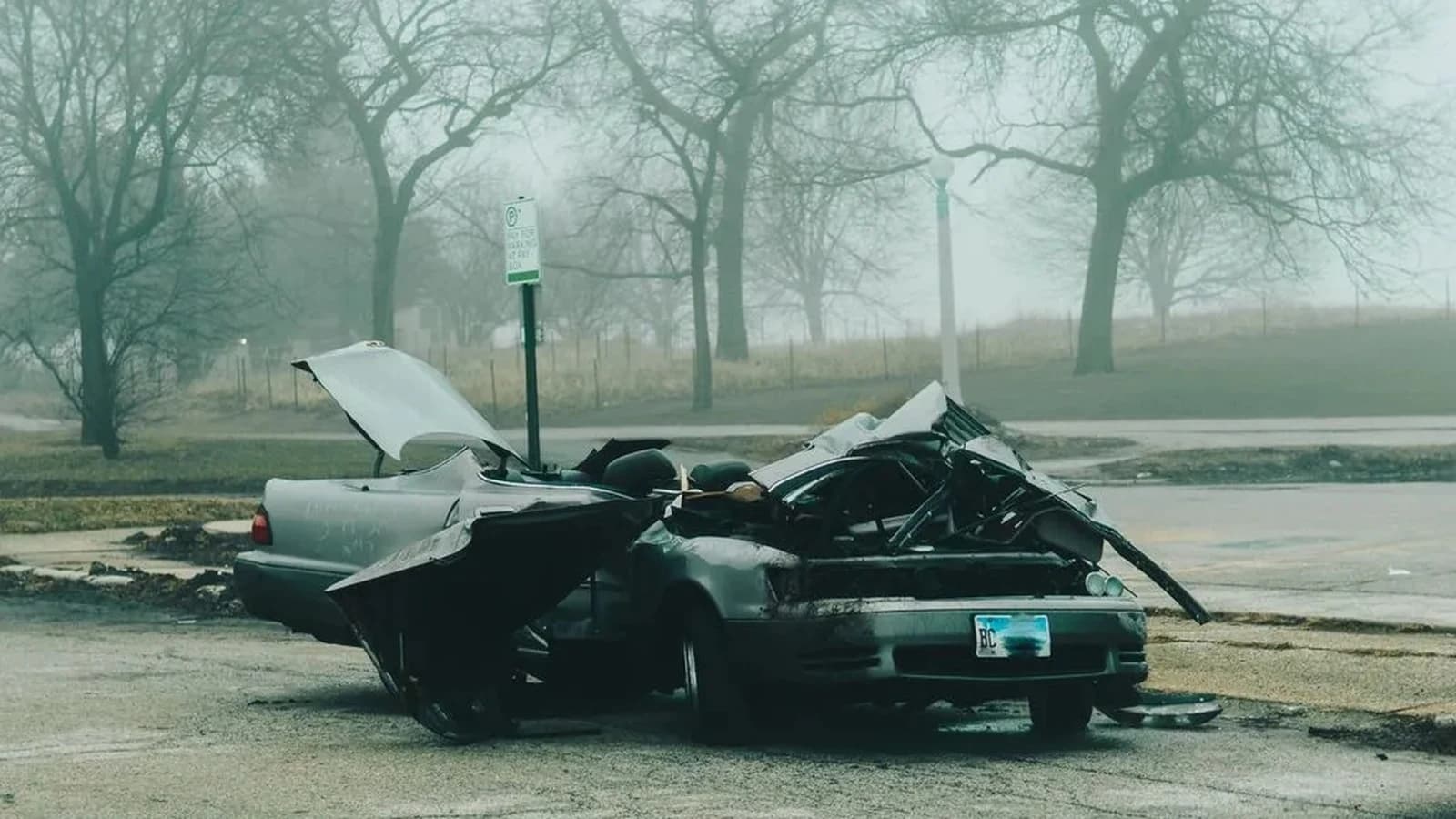
An I-35 accident is a crash on the interstate that forms the spine of Texas, running from the Dallas–Fort Worth area down through Waco, Temple, Austin, San Marcos, and New Braunfels into San Antonio and on toward Laredo. I-35 pairs heavy daily commuter volume with one of the largest cross-border freight flows in North America and near-constant construction, which is why it consistently ranks among the most crash-prone corridors in the state. Those three pressures — congestion, trucks, and work zones — shape how an I-35 case is investigated and who can be held responsible.
Where I-35 crashes concentrate
The corridor has distinct trouble spots. Through downtown Austin, the decades-old upper and lower decks and the ongoing TxDOT Capital Express rebuild create shifting lanes, narrow merges, and sudden slowdowns where free-flowing traffic compresses to a crawl. The Round Rock–Georgetown stretch is a commuter funnel that stacks up at rush hour. Through Waco and Temple the highway narrows as it passes the city center. From San Marcos to New Braunfels, outlet-mall and weekend traffic produce stop-and-go waves. The common thread is the rear-end and chain-reaction crash: vehicles moving at 70-plus hitting the back of stopped or slowing traffic, often with a commercial vehicle in the mix.
The NAFTA freight problem on I-35
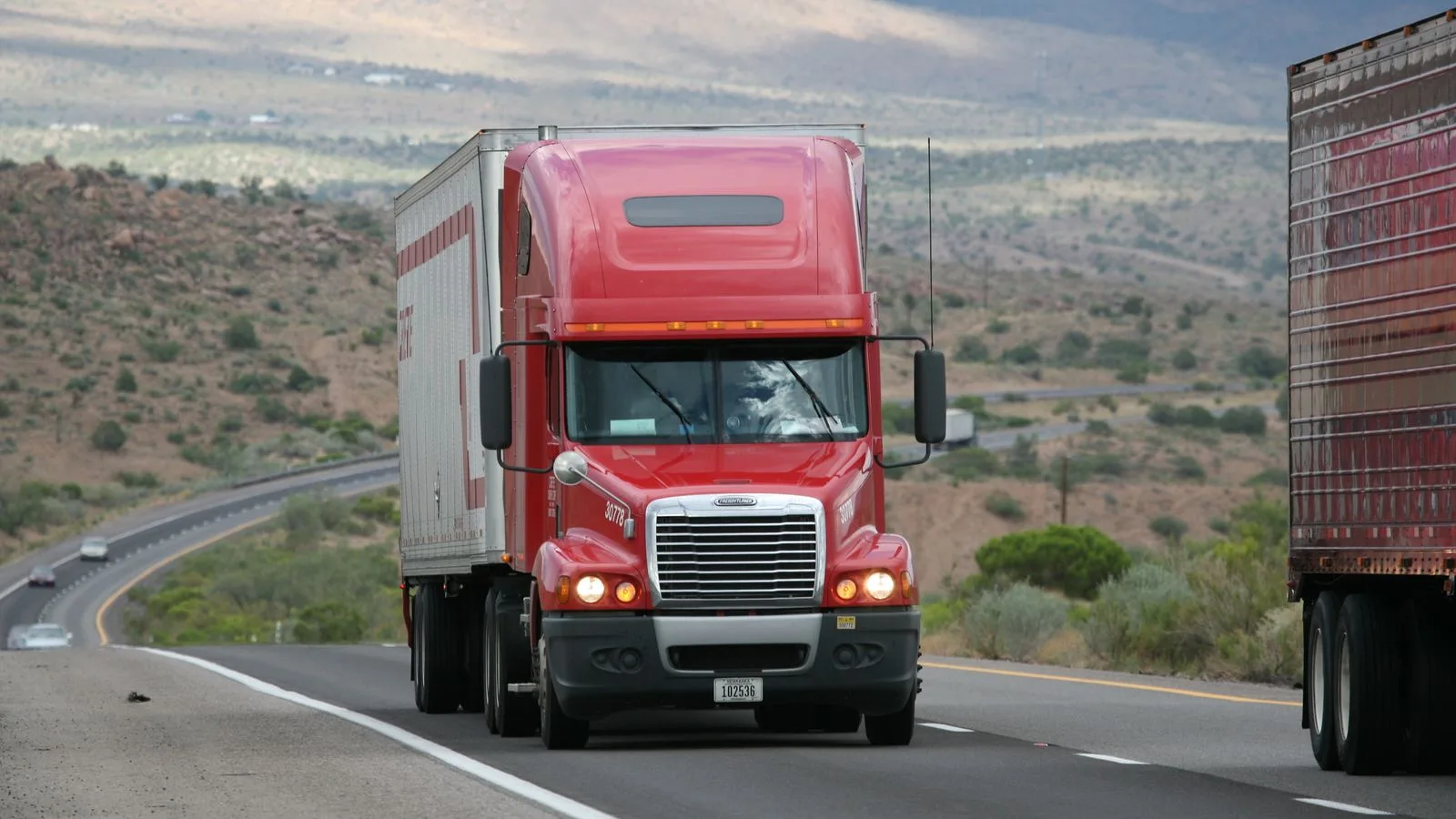
I-35 is the primary highway link to Laredo, the leading inland port on the US–Mexico border, so it carries heavy long-haul and cross-border truck traffic alongside passenger commuters. When the at-fault vehicle is one of those trucks, the case stops being an ordinary fender-bender. The carrier is governed by the Federal Motor Carrier Safety Regulations, which means hours-of-service logs, electronic logging device data, the driver qualification file, and post-crash drug and alcohol testing are all mandated records, and the carrier's commercial policy is typically many multiples of the $30,000 Texas personal minimum. A preservation letter has to go out within the first weeks before that data cycles out.
Construction-zone liability and the Capital Express projects
I-35 is rarely not under construction somewhere along its length. Tex. Transp. Code § 472.022 imposes specific duties on drivers in marked work zones and doubles penalties for moving violations there, but the more important point for an injured client is that a contractor or TxDOT can share liability when signage was missing, lane shifts were poorly marked, or the actual lane configuration did not match the plan. These cases turn on fast on-site investigation, because a work zone moves or is reconfigured within days. We document the zone, pull the traffic-control plan, and identify every party — driver, carrier, and contractor — before the scene changes.




Frequently asked
Questions Texas accident victims ask us
- Because it concentrates three risk factors on the same pavement: some of the heaviest commuter congestion in the state, one of the largest cross-border truck-freight flows in the country, and near-perpetual construction. When fast-moving traffic compresses suddenly around a work zone or a stalled crash, the result is high-speed rear-end and chain-reaction collisions, frequently with a heavy truck involved. The injury severity reflects the speeds, not a minor surface-street bump.
- Substantially. A semi on I-35 is almost always a commercial motor vehicle governed by the Federal Motor Carrier Safety Regulations, so hours-of-service logs, electronic logging device data, the driver qualification file, and post-crash testing all exist as mandated records. The carrier, not just the driver, can be held liable, and its insurance limits dwarf a personal policy. The catch is that the electronic evidence has to be preserved fast, before the carrier's retention windows roll it off.
- Sometimes, yes. If the work zone's signage was missing or inconsistent, the lane taper was poorly marked, or the actual lane layout did not match the approved traffic-control plan, the contractor or TxDOT may share liability alongside the at-fault driver. Tex. Transp. Code § 472.022 also imposes heightened work-zone duties on drivers. Because work zones change within days, we investigate and pull the traffic-control plan immediately.
- It depends on where along the corridor the crash occurred. A wreck in Austin is a Travis County case; San Marcos is Hays County; New Braunfels is Comal; Waco is McLennan; Round Rock and Georgetown are Williamson; San Antonio is Bexar. Venue is generally proper where the crash happened or where a defendant resides under Tex. Civ. Prac. & Rem. Code § 15.002, and when a trucking company headquartered elsewhere is involved, alternative venues may open up.
- Almost certainly not for being stopped. A driver who fails to control speed and strikes stopped or slowing traffic is the one who breached the duty, not the driver who stopped safely. Texas uses modified comparative fault with a 51-percent bar, so even if some small share were assigned to you, you still recover as long as you are not majority at fault. Being stopped in compressed I-35 traffic is the normal, lawful thing to do.
- Quickly if any commercial truck or construction zone was involved, because both produce time-sensitive evidence. Truck telematics and electronic logs roll off within weeks unless a preservation letter is sent, and a construction work zone is reconfigured or removed within days. The two-year filing deadline under Tex. Civ. Prac. & Rem. Code § 16.003 is the outer limit, but the evidence that proves these cases disappears long before then.
Let's talk about your case.
Free case review, no obligation. We'll tell you straight whether we can help.