
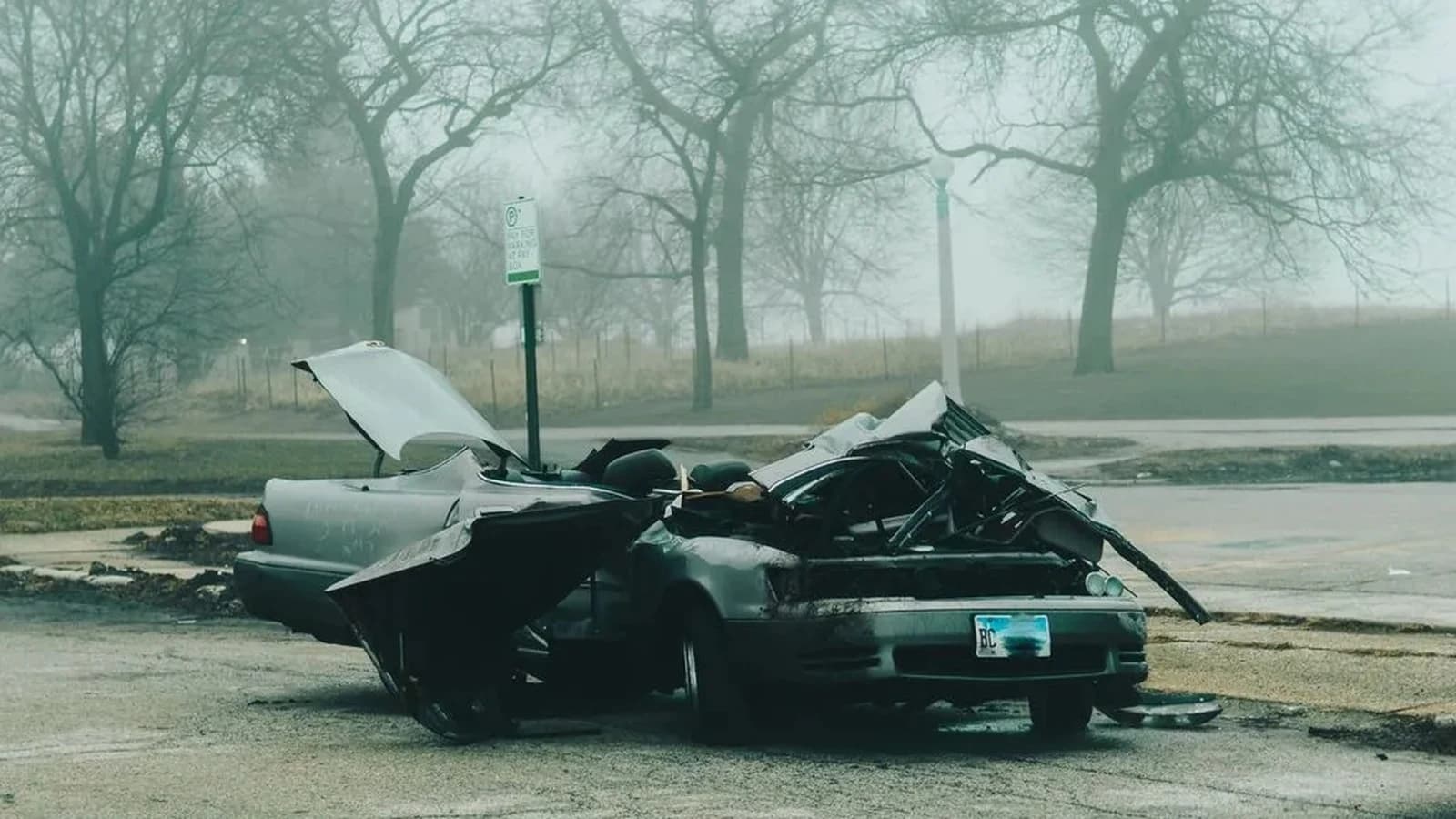
Abilene · Car Accident
Abilene Car Accident Lawyer
A car accident claim in Abilene is a personal injury case arising from a collision between passenger vehicles on Taylor County roads, most often along I-20's mainlanes, the US-83 or US-84 radials, or the in-town arterials feeding the Loop 322 interchange. Texas governs these cases under modified comparative fault: if the injured driver is 50 percent or less responsible, they recover, with damages reduced by their share of fault. The two-year limitations period under Tex. Civ. Prac. & Rem. Code § 16.003 runs from the crash date, and cases above the JP-court threshold are heard in Taylor County district court. UM/UIM coverage on the client's own policy becomes critical on the Big Country's rural corridors, where many at-fault drivers carry minimum limits.
Why Abilene cases are different
Most Abilene crash files start on three corridors that do not overlap with the Permian Basin or the South Plains: I-20 across the north side, the US-83 and US-84 truck radials, and the in-town arterials like Buffalo Gap Road, Treadaway, and South 14th Street. Each fact pattern carries its own fault and coverage analysis under Texas law.
Where Abilene car crashes happen and how fault is built
The geography shapes the crash type. Loop 322 generates merge collisions where it ties into I-20 and the radials, and the US-83 and Loop 322 intersection is the kind of high-speed signalized junction that produces broadside and red-light cases. The in-town arterials — Buffalo Gap Road, Treadaway, South 14th — drive rear-end and left-turn commuter collisions, while US-83 toward Anson and Eden and US-84 toward Snyder and Sweetwater produce the serious rural-highway crashes across the catchment. Texas applies modified comparative fault under Chapter 33: an injured driver who is 50 percent or less at fault recovers, with the award reduced by their share, and a driver found 51 percent or more at fault recovers nothing. Insurers routinely over-assign fault to the claimant, so the early work is documentary: signal-timing logs, scene photos, and witness statements pulled before they disappear.
Underinsured drivers and the Big Country coverage gap
A serious wreck on US-84 or out toward Sweetwater can leave a client facing a Hendrick trauma bill that dwarfs the at-fault driver's minimum Texas liability limits. That is where uninsured and underinsured motorist coverage matters. Most Texas auto policies include UM/UIM unless the policyholder waived it in writing, and that coverage steps in when the at-fault driver carries too little or fled the scene. We identify every applicable policy — the client's own UM/UIM, household resident-relative policies, and any commercial layer behind a work vehicle — and pursue them in the right order. Because so much Abilene traffic is work-related, from oilfield service trucks to wind-farm support fleets, a routine-looking sedan collision can open commercial coverage that the first adjuster never mentions. Stacking and coordinating those policies is often the difference between a covered case and an uncovered one.
More in Abilene
Other ways we help Abilene injury victims.



Frequently asked
Abilene car accident questions
- Yes. Serious injuries often look minor in the first day; neck and disc injuries in particular can take time to declare themselves. Getting evaluated promptly protects both your health and your claim, because an insurer will argue any treatment gap means you were not really hurt. If your symptoms worsen, Hendrick Medical Center is the regional destination for the more serious workups in the Abilene area.
- Not unless you are 51 percent or more at fault. Texas uses modified comparative fault under Chapter 33, so being partly at fault only reduces your recovery by your percentage share; it does not erase it. Adjusters often inflate the claimant's fault to cut the payout. The honest counter is evidence: vehicle positions, signal timing, and witness accounts that show what actually happened at the intersection.
- Serious-injury cases above the JP-court threshold are filed in Taylor County district court, with the specific civil district court assigned by random docket draw at filing. If the crash happened in a surrounding county on a rural highway, venue typically follows the crash location to that county instead. We map venue at intake before filing, because the choice can affect how the case is valued.
- Two years from the date of the crash under Tex. Civ. Prac. & Rem. Code § 16.003. That deadline is statewide. Taylor County does not have its own shorter period. An exception applies for claims against a governmental entity such as the City of Abilene or a county vehicle, which require pre-suit notice within six months under the Texas Tort Claims Act.
- Often yes, through your own uninsured motorist coverage. Most Texas auto policies include UM/UIM unless waived in writing, and a hit-and-run is treated as an uninsured-motorist event. Reporting the crash promptly to law enforcement in Taylor County or the county where it occurred is important both for your claim and for any criminal investigation.
- Yes, when the driver was in the course and scope of employment at the time of the crash. The employer's commercial auto policy is typically higher-limit than a personal auto policy, and the employer itself can be liable under respondeat superior. This applies to the wide range of work vehicles common in the Abilene area — oilfield service trucks, wind-farm fleet vehicles, and contractor vehicles serving Dyess AFB — and we identify every applicable layer at intake.
Where we work from
Downtown Austin. Abilene clients welcome.
Our office is in downtown Austin; we represent Abilene-area clients statewide and travel to Abilene for case-specific needs (scene visits, medical-records consultations, court appearances). Home and hospital visits when injuries make travel difficult.
Talk to a Abilene car accident lawyer.
Free case review, no obligation. We'll tell you straight whether we can help.