
Abilene · Truck Accident
Abilene Truck Accident Lawyer
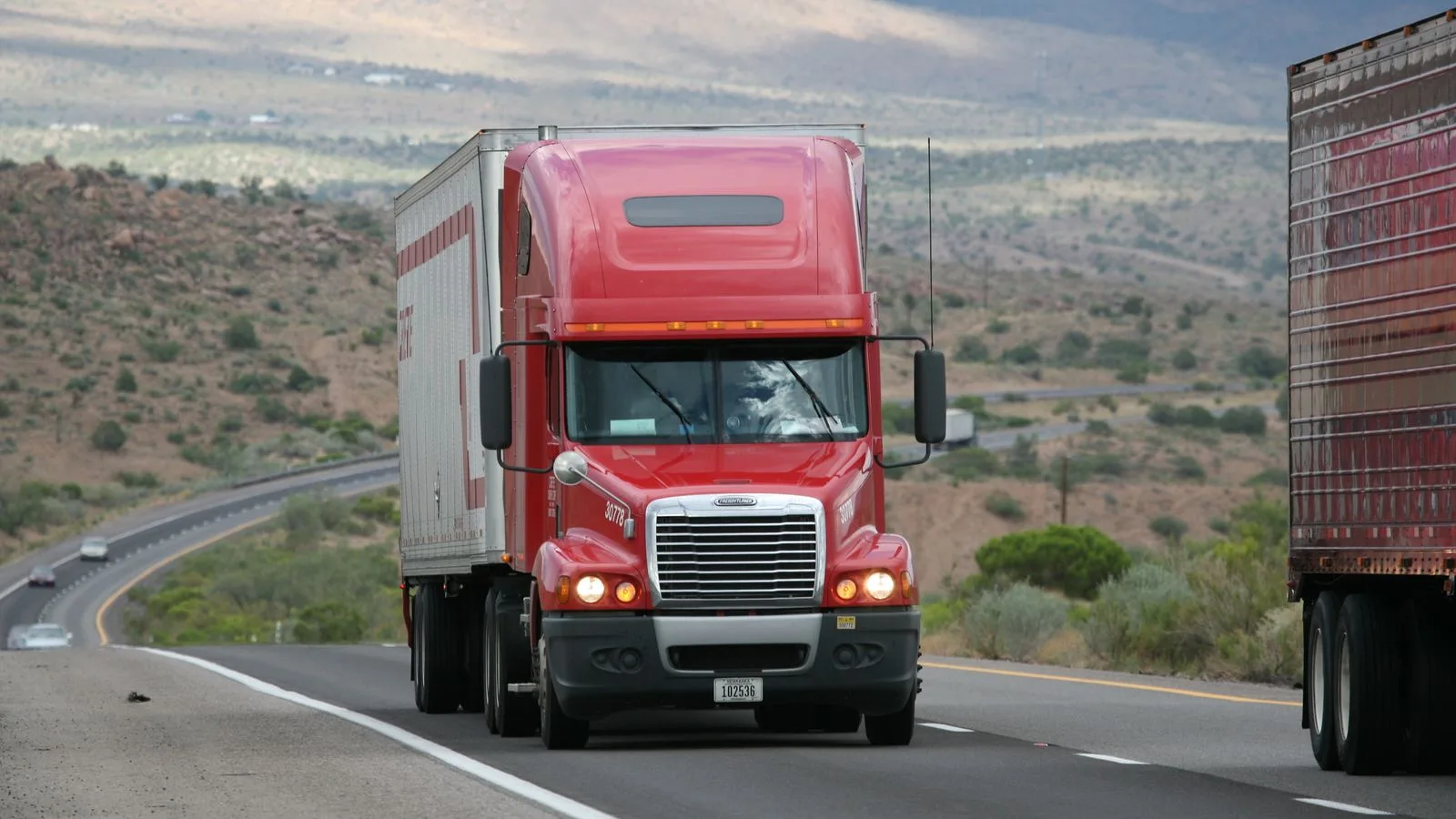
A commercial truck crash case in Abilene involves a tractor-trailer or heavy work-truck operating on a Texas freight corridor, most commonly I-20 across Taylor County or the US-83 and US-84 radials, and is governed simultaneously by the Federal Motor Carrier Safety Regulations at 49 C.F.R. Parts 350-399 and by Texas negligence law. The FMCSA rules impose hours-of-service limits, ELD requirements, driver-qualification standards, and post-crash testing obligations that create documented duties the carrier must meet. Liability reaches beyond the driver to the motor carrier through respondeat superior, and to wind-energy or oilfield contractors whose vehicles serve the Big Country's commercial traffic. Cases are filed in Taylor County district court under the two-year limitations period, with venue alternatives available when the carrier is headquartered outside Taylor County.
Why Abilene cases are different
Abilene's commercial-vehicle docket is driven by three distinct patterns: I-20 long-haul freight running between Dallas-Fort Worth and the Permian Basin, heavy specialized wind-energy transport moving through Nolan and Taylor county wind farms, and the lighter service fleets that support both. Each is governed by the federal motor-carrier framework and each carries its own evidence-preservation playbook.
The I-20 freight corridor and the FMCSA framework
I-20 across Taylor County runs east-west through the north side of Abilene and is the corridor that drives most commercial-vehicle intake: long-haul freight, basin-bound oilfield trucks, and wind-energy support traffic sharing the mainlanes. An FMCSA-regulated tractor running interstate freight is governed by 49 C.F.R. Parts 350-399 regardless of which county the crash occurs in. That federal framework controls hours-of-service limits, electronic logging device records, driver-qualification files, and post-crash drug and alcohol testing. After a serious crash, the highest-value evidence sits in the carrier's systems and gets overwritten on routine cycles, so the early move is a spoliation letter covering the tractor's ECM, the ELD records for the prior fourteen days, dispatch communications, fuel and toll receipts, the driver-qualification file, and any in-cab or forward-facing camera footage. A fatigue picture, excessive driving inside the duty window with inadequate rest, frequently emerges once those logs are pulled and read against the hours-of-service rules.
Wind-energy transport, oversize permits, and employer liability
Wind-turbine component transport — blades, tower sections, nacelles — frequently moves under a Texas Department of Transportation oversize/overweight permit with route, time-of-day, and escort-vehicle restrictions written into the permit conditions. When the actual movement violates those conditions, that becomes a documented regulatory violation that sits alongside the ordinary negligence analysis, so we pull the permit and route documentation early. Beyond the driver, the carrier or contractor that employed them is usually on the hook through respondeat superior, and commercial operations typically carry far higher policy limits than a passenger-vehicle driver. National wind-energy contractors and DFW or Houston-based motor carriers headquartered outside Taylor County can also open alternative venue analyses under Section 15.002. Identifying every responsible entity and every layer of coverage, primary and excess, is what separates a commercial-vehicle case from a routine auto claim.
More in Abilene
Other ways we help Abilene injury victims.



Frequently asked
Abilene truck accident questions
- The federal framework is identical. An FMCSA-regulated commercial motor vehicle running interstate freight is governed by 49 C.F.R. Parts 350-399 no matter which Texas county the crash happens in, so the ELD logs, driver-qualification file, post-crash testing, and ECM data are preserved on the same timeline. What differs is venue: a Taylor County crash is filed against a Taylor County jury baseline, with the carrier's home venue sometimes available as an alternative.
- It can matter a great deal. Turbine components usually move under a TxDOT oversize/overweight permit that dictates the route, the allowed time of day, and whether escort vehicles are required. If the truck deviated from the permitted route or moved at a prohibited time, that is a documented regulatory violation that strengthens the negligence case. We pull the permit and route records early, before they become hard to obtain.
- Quickly. The most decisive evidence — ECM data, ELD logs, dispatch records, and camera footage — lives in the carrier's systems and is overwritten on routine cycles, sometimes within days or weeks. Signal-timing logs from the City of Abilene at an intersection crash also have a limited retention window. A spoliation letter sent early locks that material in place; waiting often means the proof is gone before anyone asks for it.
- Often yes. Under 49 C.F.R. § 376.12, a motor carrier operating under its own authority remains liable for a leased owner-operator's actions even when the driver is labeled an independent contractor. The carrier that controls the load and the DOT authority is the entity courts and regulators look at. We analyze the actual relationship and the operating authority structure at intake rather than accepting the contractor label at face value.
- Two years from the crash date under Tex. Civ. Prac. & Rem. Code § 16.003, the same statewide limitations period. But the practical deadline for the most important evidence is much shorter: ELD records, ECM data, and driver-qualification files cycle out on routine retention schedules, sometimes within weeks. The legal clock and the evidence clock are different, and the evidence clock is the one that forces early action.
- Yes, if the vehicle was a federal government vehicle operated by a federal employee in the course of duty. In that case the Federal Tort Claims Act applies, requiring an administrative claim on Form 95 with the responsible federal agency before suit can be filed in U.S. district court. A private contractor vehicle working on a Dyess project is a different analysis; that usually proceeds under ordinary Texas negligence against the contractor and its commercial insurer, not the FTCA.
Where we work from
Downtown Austin. Abilene clients welcome.
Our office is in downtown Austin; we represent Abilene-area clients statewide and travel to Abilene for case-specific needs (scene visits, medical-records consultations, court appearances). Home and hospital visits when injuries make travel difficult.
Talk to a Abilene truck accident lawyer.
Free case review, no obligation. We'll tell you straight whether we can help.