
Cedar Park · Car Accident
Cedar Park Car Accident Lawyer
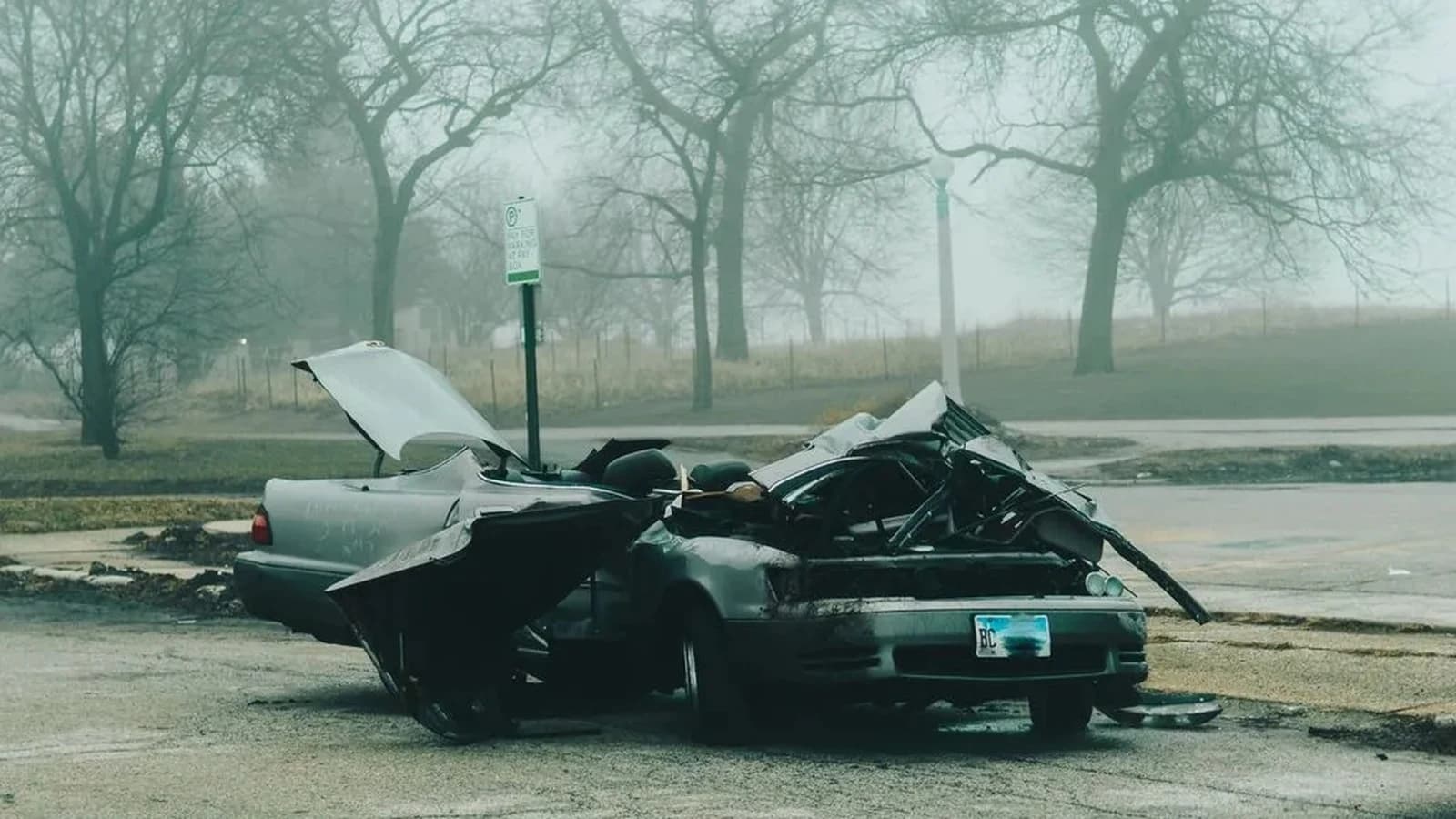
A car accident claim in Cedar Park is a Texas personal-injury case arising from a collision between passenger vehicles, governed by modified comparative fault; you can recover so long as your share of fault stays at or below fifty percent, with your damages reduced proportionately. The city's road geometry drives the injury caseload: the limited-access US-183A toll corridor through central Cedar Park produces high-speed merge and sideswipe crashes, while RM-1431 generates the highest volume of intersection and left-turn collisions in the city's files. Cases arising anywhere on that network belong to Williamson County for venue and file in the district courts in Georgetown under the standard two-year limitations period of Tex. Civ. Prac. & Rem. Code § 16.003.
Why Cedar Park cases are different
Most Cedar Park crash intake traces back to a road network that never kept pace with the city's growth: the US-183A toll spine running at sixty-five through town, the surface free lanes feeding RM-1431, and the signalized Parmer corridor bleeding in Austin commuter traffic on the eastern edge.
Sorting fault on the toll spine and the 1431 arterial
Texas resolves fault under the Chapter 33 proportionate-responsibility framework, and Cedar Park's geometry decides how that plays out. On the limited-access US-183A lanes, the dominant pattern is the high-speed sideswipe and the merge collision at the Whitestone, Cypress Creek, and Avery Ranch interchanges, where a driver changing lanes toward an exit at near-highway speed typically carries the heavier share. Down on RM-1431, the city's east-west spine, the volume shifts to intersection and left-turn crashes, where right-of-way and the position of the turning vehicle drive the analysis. The Parmer corridor produces a steady signalized rear-end pattern as Domain-area traffic stacks at the city limit. Because Texas bars recovery once a claimant crosses fifty-one percent of the fault, keeping the adjuster from inflating your share is the central fight in nearly every file.
When the at-fault driver carries too little coverage
Texas minimum liability sits at thirty thousand dollars per person and sixty thousand per accident, and on a US-183A impact at fifty-plus miles per hour those numbers evaporate the moment imaging confirms a disc injury. When the responsible driver is policy-thin, the recovery usually depends on layering coverage rather than on the liability policy alone. That means your own uninsured and underinsured-motorist coverage, any policy in a household resident's name, and any employer commercial auto policy if the other driver was working at the time of the wreck. Cedar Park files frequently involve a driver running a side route in landscaping, contracting, or delivery, and that employer policy is often where the real recovery lives. We map every available layer at intake rather than assuming the single named policy is the ceiling.
More in Cedar Park
Other ways we help Cedar Park injury victims.


Frequently asked
Cedar Park car accident questions
- It turns on the exact crash coordinates, not your home address. Most of Cedar Park sits in Williamson County and files in the district courts in Georgetown, but the Williamson-Travis line runs through a handful of southern subdivisions, and a crash south of it triggers Travis County venue instead. We plot the location against the official boundary at intake, because the difference between a Williamson and a Travis jury can move settlement value.
- Early offers usually arrive before the full injury picture exists. ER visits after US-183A and 1431 crashes routinely capture the obvious bruising but miss soft-tissue and disc injuries that surface a week to a month later. Accepting a quick number generally closes the claim for good. The stronger path is to complete a proper diagnostic workup first, then build the demand on the complete medical record rather than the same-day discharge note.
- Often it is dispositive. Cedar Park's residential street density means many intersection and lane-change collisions are caught by a Ring, Nest, or Tesla Sentry camera from at least one angle, frequently resolving a left-turn or T-bone dispute the police narrative left open. The catch is retention: consumer systems commonly overwrite within seven to fourteen days, so the preservation request has to go out in the first week.
- Texas gives you two years from the date of the crash under Tex. Civ. Prac. & Rem. Code § 16.003. That clock starts running on the day of the wreck, not the day treatment ends or bills arrive. Two years can feel like a long time, but the early evidence — gantry footage from TxDOT on US-183A, signal-camera recordings, and dashcam data — can be gone within weeks, so acting promptly protects the claim even when the deadline feels distant.
- You can still recover under Texas's modified comparative fault rules as long as your share of the fault is fifty percent or less. Your damages are reduced by your percentage of fault, but they are not eliminated unless you cross the fifty-one-percent bar. Insurers routinely try to inflate your assigned fault to reduce or deny the claim, which is why independent evidence that objectively establishes positions and speeds matters so much on the US-183A toll lanes.
- The substantive fault rules are the same, but the evidence differs. TxDOT and the Central Texas Regional Mobility Authority operate gantry cameras along the US-183A toll lanes that can capture the seconds before impact, footage we request promptly because retention windows are short. On the free lanes of US-183, the evidence picture typically shifts to dashcams, nearby business cameras, and the event-data recorder downloaded from the vehicles involved.
Where we work from
Downtown Austin. Cedar Park clients welcome.
Our office is in downtown Austin; we represent Cedar Park-area clients statewide and travel to Cedar Park for case-specific needs (scene visits, medical-records consultations, court appearances). Home and hospital visits when injuries make travel difficult.
Talk to a Cedar Park car accident lawyer.
Free case review, no obligation. We'll tell you straight whether we can help.