
Car accidents · Subcategory
Highway Crash Lawyer in Texas
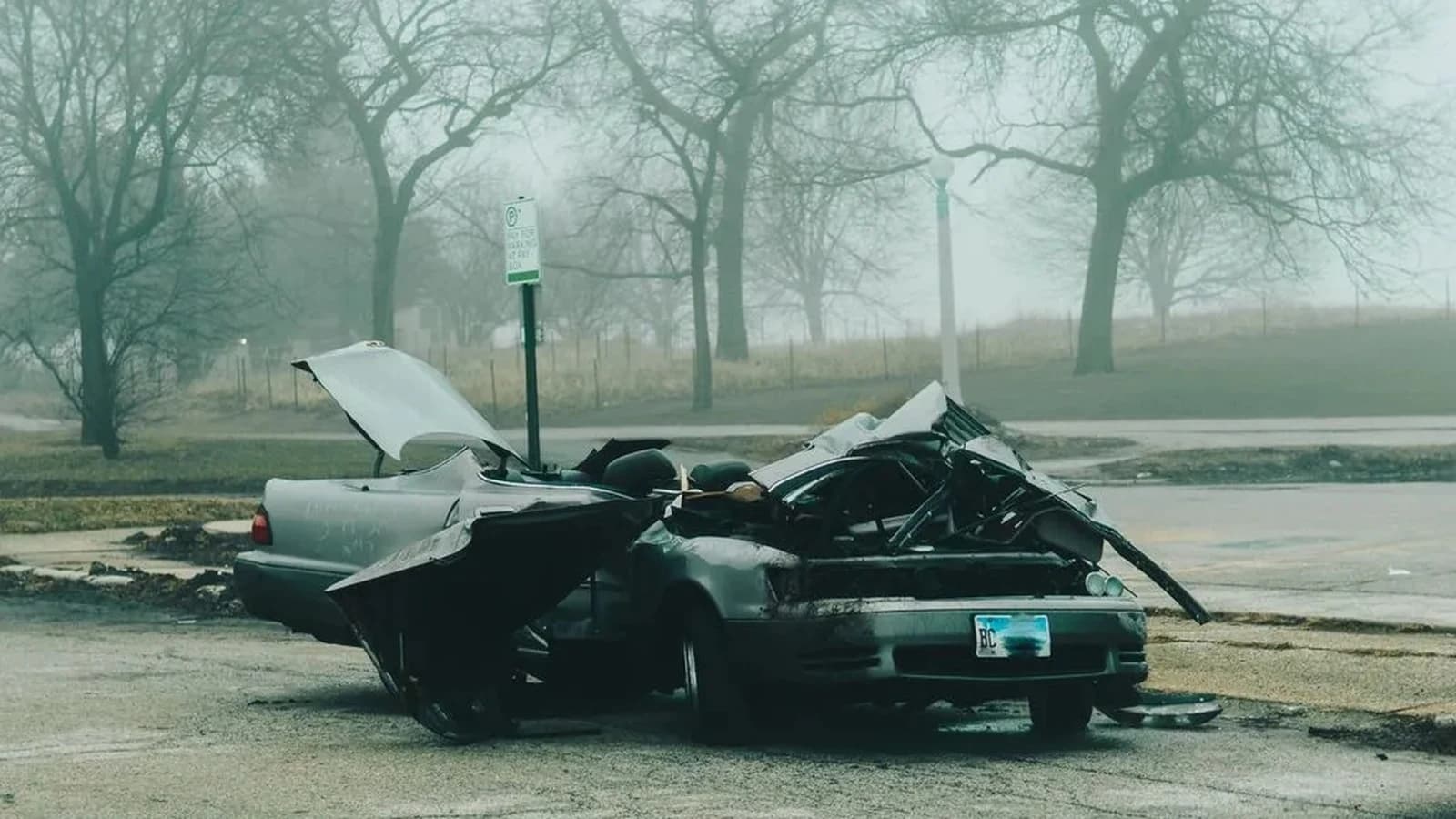
Highway crashes are interstate and major-arterial collisions where speeds, vehicle weights, and traffic density combine to produce injuries that simply do not happen on surface streets. The forces are different: 70-mph delta-V impacts, side-swipe collisions during lane changes, secondary impacts as vehicles rotate into adjacent traffic. The legal analysis is also different, because the same crash often involves multiple defendants, commercial carriers, and a much larger universe of evidence that has to be locked down before it disappears.
The I-35, I-10, and I-45 crash patterns we see most
On I-35 through Austin and Waco, the dominant pattern is sudden congestion: traffic flows at 75 mph and then stacks up around a construction lane closure or an earlier crash, and an inattentive driver hits the back of stopped traffic at near-cruising speed. On I-10 between Houston and San Antonio, the pattern is fatigued and long-haul drift across the lane line at highway speed. On I-45 between Houston and Dallas, it is a mix of both plus the heavy commercial-truck volume coming out of the Port of Houston. Each corridor has its own evidence ecosystem — TxDOT cameras, motorist-assist patrols, commercial-fleet telematics — and the right investigative steps depend on which highway and which mile marker.
Lane-change crashes and the no-zone problem
Tex. Transp. Code § 545.060 requires a driver to maintain a single lane and to move only when it can be done safely. A lane-change crash at highway speed almost always involves a violation of that statute, but the proof is rarely clean: drivers tend to remember the impact, not the seconds before it. We look for dashcam footage, adjacent-vehicle witnesses, and (in commercial cases) the truck's onboard camera and ECM data. Side-swipe geometry on the vehicle body is also diagnostic: angle and direction of scrape marks usually tell us which vehicle moved into which lane.
Why secondary impacts matter for damages
Highway crashes are rarely single-impact events. A first impact rotates a vehicle into the next lane; a second vehicle strikes it; the original vehicle is pushed into the median wall or the next lane over. Each impact transfers force into the occupants, and each impact can be assigned to a different driver. The medical injury picture often makes more sense once you have reconstructed the full sequence: a client with a left-sided shoulder injury and right-sided knee injury usually had multiple impacts even if they only remember one. Reconstruction matters for both liability allocation and damages.
Commercial defendants and policy stacking on the highway
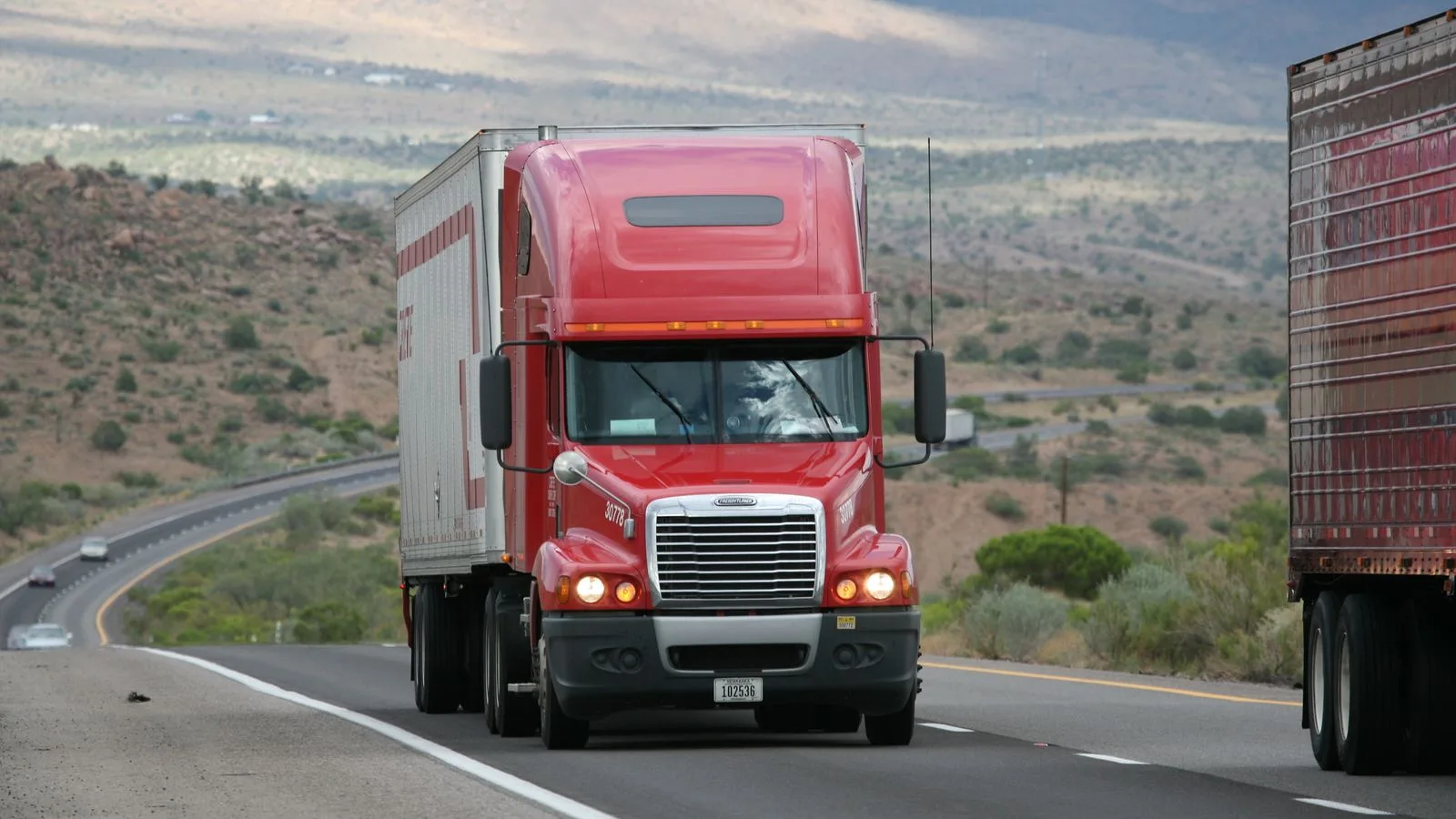
Highway corridors carry a disproportionate share of commercial vehicles: long-haul trucks, delivery vans, rideshare drivers on inter-city runs, work trucks for trades. When the at-fault driver is on the clock, the employer's commercial auto policy applies and is typically several multiples larger than any personal policy. Texas trucking operators are required to carry minimum coverage under federal FMCSA rules that far exceeds the state's $30,000 personal minimum. We push hard on the employment question whenever there is any indicator — magnetic logo, DOT number, a passenger admission of a 'work trip' — because the coverage difference between a personal policy and a commercial policy is usually what makes or breaks the file.




Frequently asked
Questions Texas accident victims ask us
- Yes, in three concrete ways. First, the closing speeds are dramatically higher, so injury severity is dramatically higher; what would be a sore neck at 25 mph becomes a disc herniation or a TBI at 70 mph. Second, commercial vehicles are over-represented on highways, which changes both liability and coverage analysis. Third, the evidence universe is larger and more time-sensitive — TxDOT cameras, motorist-assist logs, fleet telematics — and that evidence requires aggressive preservation in the first weeks.
- TxDOT operates a network of traffic cameras and incident-response logs across the major interstate corridors. Most of the live camera feeds are not recorded, but the agency's TransGuide and Lone Star CRIS incident logs document the timing and location of crashes and response activity. We routinely request these records via open-records requests, and for active corridors we also chase the private and municipal cameras that are recording. None of this evidence survives indefinitely.
- If you can do so safely, get off at the next exit and call 911 to report the location of the crash even if you have both already left the scene. Texas law requires it under Tex. Transp. Code § 550.022. Photograph your vehicle's damage in good light. Get a copy of any dashcam footage from your own vehicle and ask any witnesses for theirs. If the other driver is not identified at the scene, the case becomes a hit-and-run UM claim against your own policy.
- Construction zones don't change the basic negligence analysis, but they sometimes add a defendant. Tex. Transp. Code § 472.022 imposes specific duties on drivers in marked work zones, and penalties for moving violations double. More importantly, if signage was missing, improperly placed, or inconsistent with the actual lane configuration, the construction contractor or TxDOT may share liability. These cases require fast on-site investigation because the work zone moves or disappears quickly.
- Then you have a truck-involved case, which is its own animal. FMCSA regulations apply: driver logs, hours-of-service compliance, drug and alcohol testing post-crash, vehicle maintenance records. The trucking company's commercial policy is usually substantial. The evidence preservation needs are urgent: ECM data, dashcam footage, and dispatch records can be lost or altered if the spoliation letter doesn't go out fast.
- Often yes, because speeding alone does not bar recovery under Texas's modified comparative-fault rule. If you were 50% or less responsible for causing the crash, you recover, with the recovery reduced by your share. Going 78 in a 70 zone when an inattentive driver crashes into you from behind does not make you the cause of the crash; it makes you a partially negligent claimant, which is a very different posture.
- Almost certainly not, if the at-fault driver carries only personal minimum coverage. Texas minimum is $30,000 per person and that disappears the moment surgery is on the table, before lost wages or pain and suffering enter the picture. Recovery on a serious case requires identifying every available layer: your UM/UIM, any household resident policies, any umbrella, and any employer or commercial layer if the other driver was on the job at the time.
- Within days if there is any commercial vehicle involvement or any chance the crash involved a fleet driver. Commercial telematics and ECM data have retention windows measured in days to weeks unless a formal preservation demand is sent. For non-commercial crashes the urgency is lower, but the rule of thumb is: the more vehicles involved and the higher the speed, the faster the evidence universe degrades.
Let's talk about your case.
Free case review, no obligation. We'll tell you straight whether we can help.