
Car accidents · Subcategory
610 Loop Accident Lawyer in Houston
A 610 Loop accident is a crash on Interstate 610, the inner loop that rings central Houston and connects the city's busiest freeways: I-10, I-45, US-59/69, and SH-288. The West Loop section past the Galleria and Uptown is one of the most heavily traveled and congested stretches of urban freeway in the country, and the Loop's major interchanges force high-speed merging and weaving in short distances. Those conditions make 610 collisions fast, multi-lane, and frequently tied to a specific interchange or merge point.
The West Loop and the Galleria-Uptown congestion problem
The West Loop segment of I-610, running past the Galleria and Uptown, carries enormous daily volume in a corridor lined with dense commercial and retail traffic. Vehicles entering and exiting at closely spaced ramps weave across multiple lanes, and the flow compresses from highway speed to a near-stop without warning. The dominant crash here is the rear-end and chain-reaction collision, often triggered by a sudden slowdown at an on-ramp merge. Each segment of the Loop has its own ramp geometry and camera footprint, so where on the Loop the crash happened drives the investigation.
Major-interchange weaving and lane-discipline crashes
I-610 connects to I-10 (the Katy and East freeways), I-45 (the North and Gulf freeways), US-59/69 (the Southwest and Eastex freeways), and SH-288 in a series of high-volume interchanges. Connecting between these freeways forces drivers to cross several lanes in short distances, which produces sideswipe and merge collisions at speed. Tex. Transp. Code § 545.060 requires a driver to maintain a single lane and to change lanes only when it is safe, and a Loop weaving crash usually involves a breach of that duty. The scrape geometry on the vehicles, dashcam footage, and adjacent-vehicle witnesses are what establish who crossed into whom.
Commercial and delivery traffic on the Loop
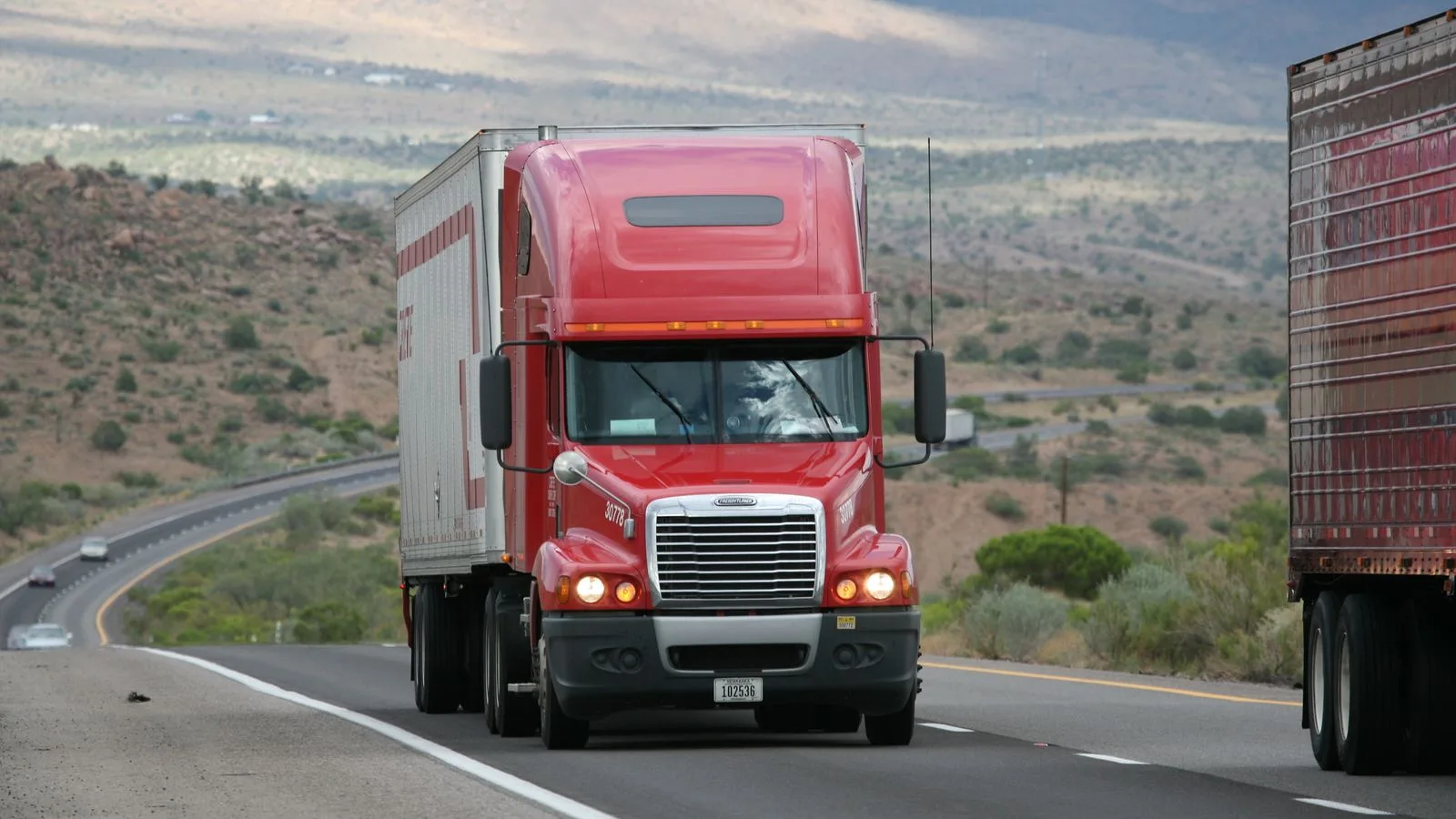
As the connector between Houston's primary freight freeways, I-610 carries heavy commercial and delivery traffic alongside commuters. When the at-fault vehicle is a commercial truck or a fleet delivery vehicle, the case changes: the driver is governed by the Federal Motor Carrier Safety Regulations or the employer's commercial policy applies, and that coverage is typically several multiples of the $30,000 Texas personal minimum. We press the employment question whenever there is any indicator — a logo, a DOT number, an admission of a work trip — because the difference between a personal policy and a commercial policy often decides what a serious case can recover.




Frequently asked
Questions Texas accident victims ask us
- The West Loop past the Galleria and Uptown carries some of the heaviest urban freeway traffic in the country through a corridor of closely spaced ramps and dense commercial activity. Vehicles weave across lanes to enter and exit, and the flow compresses from speed to a near-stop without warning, which produces frequent rear-end and chain-reaction crashes. The congestion is the hazard: high volume plus short merge distances leaves little room to react.
- Generally the driver who moved out of their lane unsafely. Connecting between I-610 and freeways like I-10, I-45, or US-59 forces drivers to cross several lanes quickly, and Tex. Transp. Code § 545.060 requires maintaining a single lane and changing lanes only when it is safe. The proof is usually in dashcam footage, adjacent-vehicle witnesses, and the angle of the scrape damage, which tends to show which vehicle crossed the line.
- Yes. If the driver was working at the time, the employer's commercial auto policy applies, and that coverage is typically far larger than a personal policy. If the vehicle is a regulated commercial motor vehicle, the Federal Motor Carrier Safety Regulations bring driver logs, telematics, and post-crash testing into play. We move quickly to confirm the employment relationship and preserve the vehicle's electronic data before it is overwritten.
- Almost certainly not for stopping. Compressed, stop-and-go traffic at a Loop merge is normal, and a driver who fails to control speed and strikes stopped traffic is the one who breached the duty. Texas uses modified comparative fault with a 51-percent bar, so even if a small share were assigned to you, you would still recover as long as you were not majority at fault.
- I-610 lies entirely within Houston, so a Loop crash is generally a Harris County case, filed in a Harris County district court with the specific court assigned after filing. Venue is proper where the crash happened or where a defendant resides under Tex. Civ. Prac. & Rem. Code § 15.002, and a trucking or delivery company headquartered elsewhere can open alternative venues worth evaluating before suit.
- Soon, especially if a commercial or delivery vehicle was involved, because telematics and onboard-camera data have short retention windows unless a preservation letter is sent. The two-year filing deadline under Tex. Civ. Prac. & Rem. Code § 16.003 is the outer limit, but on the Loop the camera and electronic evidence that proves a serious case degrades within weeks.
Let's talk about your case.
Free case review, no obligation. We'll tell you straight whether we can help.