
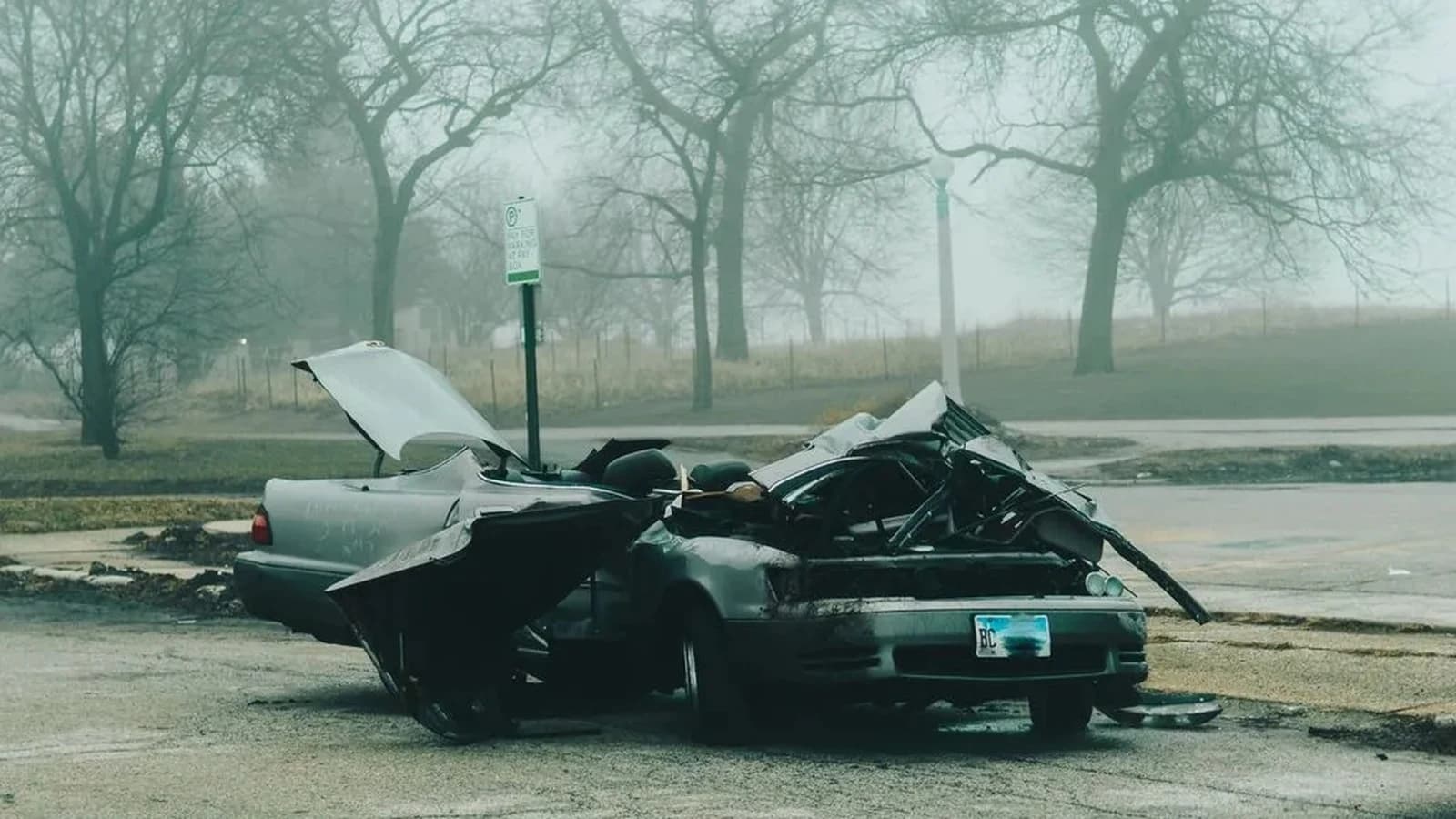
Converse · Car Accident
Converse Car Accident Lawyer
A car accident claim in Converse is a Texas personal injury case arising from a collision on a city road or highway, governed by modified comparative fault under Chapter 33 of the Civil Practice and Remedies Code. Texas is an at-fault state, so the injured person must show that the other driver's negligence caused the crash and the resulting harm. Cases are filed in Bexar County district court at the Justice Center on Dolorosa Street, and any recovery is reduced by the injured person's proportionate share of fault, with no recovery at all if that share exceeds 50%. The two-year limitations period under Tex. Civ. Prac. & Rem. Code § 16.003 applies regardless of which Converse road the crash occurred on.
Why Converse cases are different
Most serious Converse car crashes trace back to three roadways: the I-10 frontage where U-turn intersections at FM-1516 and Foster Road stack up, the FM-78 commuter spine, and the still-signalized Loop 1604 outer ring. Each produces a distinct fault pattern that drives how a Bexar County claim is built.
Where Converse collisions actually happen
The frontage-road U-turn intersections on I-10 at FM-1516 and at the Foster Road exit are among the most active crash zones in the city, where eastbound traffic exiting toward Seguin tangles with vehicles entering and turning. FM-78 carries its own pattern: left-turn collisions at signals that were timed for a smaller city than the one Converse has become, where a turning driver misjudges a gap in oncoming Randolph-bound commuter traffic. On Loop 1604, the signalized intersections at Lower Seguin, the Toepperwein extension, and Binz-Engleman generate rear-end stacks during peak hours as drivers brake for lights on a road that otherwise feels like a freeway. Identifying the crash type early shapes everything that follows, because the liability proof for a frontage U-turn collision looks nothing like the proof for a peak-hour rear-end stack.
Proportionate responsibility and uninsured drivers
Texas follows the 51%-bar comparative-fault rule under Chapter 33 of the Civil Practice and Remedies Code: a Converse driver who is found more than half at fault recovers nothing, and any recovery is reduced by the percentage of fault assigned. That makes the fault narrative the center of gravity in an FM-78 left-turn case, where the defense will argue the oncoming driver was speeding into the intersection. Because the east-side growth corridor sees a meaningful share of underinsured and uninsured at-fault drivers, the UM/UIM coverage on a client's own policy is often the difference between a real recovery and a paper judgment. We confirm the available coverage layers at intake and preserve the UM/UIM claim alongside the liability claim so a thin at-fault policy does not cap the case.
More in Converse
Other ways we help Converse injury victims.

Frequently asked
Converse car accident questions
- A driver who strikes a stopped or slowing vehicle from behind is presumptively at fault, but the defense will look for shared fault, such as a claim you stopped abruptly. We pull the Converse Police crash report and the responding officer's body-cam, which often capture an admission, and we send preservation letters to the gas station, auto-parts store, and restaurant on the corners for exterior surveillance before the overwrite window closes.
- Often yes, through the uninsured/underinsured motorist coverage on your own auto policy. The east-side corridor sees a real share of thinly insured drivers, so UM/UIM is frequently where the actual recovery comes from. We verify every coverage layer at intake and handle the UM/UIM claim, which is made against your own carrier and follows its own notice and proof requirements separate from the liability claim.
- Converse sits entirely within Bexar County, so a serious case above the small-claims ceiling is filed in Bexar County district court at the Justice Center on Dolorosa Street in downtown San Antonio, with random assignment among the civil district courts. A crash a few miles east on I-10 can cross into Guadalupe County, so we confirm the exact location at intake before any venue decision is made.
- Texas uses modified comparative fault under Chapter 33 of the Civil Practice and Remedies Code. Your recovery is reduced by your percentage of fault, and you recover nothing at all if your share exceeds 50%. For example, a fault finding of 20% on your side reduces a full recovery by 20%. In FM-78 left-turn cases the defense commonly inflates the victim's speed to push the fault percentage up, so building objective evidence early is critical.
- Reduced school-zone speed limits during posted hours affect both the citation outcome and the civil comparative-fault analysis. A driver who exceeds the posted limit in a Judson ISD school zone carries a heavier fault burden, and signal-phase and flasher-timing records from the City of Converse and TxDOT are recoverable for a limited period. We move early to confirm whether the zone was active at the time of impact.
- Two years from the date of the crash under Tex. Civ. Prac. & Rem. Code § 16.003. The deadline does not change based on the road or the defendant's insurance. The practical urgency, however, is much shorter: commercial surveillance on FM-78 and the I-10 frontage overwrites within one to two weeks, and telematics data on work trucks cycles off carrier retention in weeks. Call counsel well before the two-year mark so that evidence can be preserved while it still exists.
Where we work from
Downtown Austin. Converse clients welcome.
Our office is in downtown Austin; we represent Converse-area clients statewide and travel to Converse for case-specific needs (scene visits, medical-records consultations, court appearances). Home and hospital visits when injuries make travel difficult.
Talk to a Converse car accident lawyer.
Free case review, no obligation. We'll tell you straight whether we can help.